

By Prof. Giorgi Pkhakadze, MD, MPH, PhD · 15/09/2026
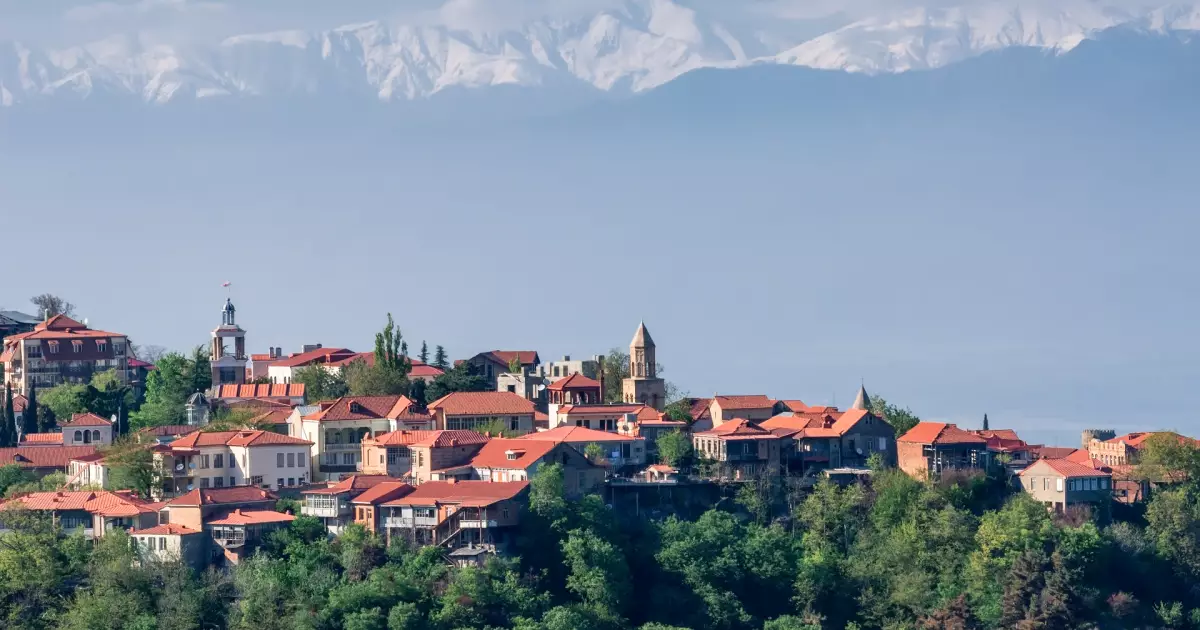
Sighnaghi sits on a ridge 800 metres up, looking north across the Alazani valley to the Caucasus, and it looks the way it does — pastel houses, carved balconies, cobbled lanes — because of a restoration in 2007 that turned a sleepy town into the “city of love”. But the wall that wraps it is older, and it explains why there is a town here at all.
The king who built it
Erekle II ruled Kartli-Kakheti in the second half of the 18th century, when Georgia was squeezed between the Persians to the south, the Ottomans to the west and the raiding tribes of Dagestan to the north-east. The Dagestani raids were the daily reality: fast horsemen crossing the Alazani, taking cattle, wine and people, and gone before anyone could muster. Erekle’s answer, in the 1760s and 70s, was a chain of fortified refuges along the valley where the villagers could run — and Sighnaghi, on its ridge with a view of every approach, was the largest.
The wall is four and a half kilometres long, with 23 towers, each named for a village whose people were assigned to defend it and shelter behind it. Six gates faced the six roads. Inside, there was room for the population of the whole district and their animals. It was never a city wall in the European sense; it was a fold.
Walking it
Much of the wall is intact and you can walk along the parapet in several stretches — the best from the church of Saint Stephen, built into a tower on the eastern side, where a staircase takes you onto the battlements. From there the valley is at your feet: forty kilometres of vineyards, the ribbon of the Alazani, and on a clear day the whole line of the Caucasus from Kazbek to Dagestan. Late afternoon is the hour, when the mountains turn pink and the swallows come out.
The town inside
Sighnaghi’s museum has the country’s best small collection of Pirosmani, the self-taught painter born in a village below the town whose animals and feasts are Georgia’s most loved images. The main square has cafés under plane trees; the lanes below have cellar bars pouring the valley’s wine. The town hall, unusually, marries couples 24 hours a day — the origin of the “city of love” name — and it is not unusual to meet a wedding on the wall.
See it with GTour
Sighnaghi is the heart of the Sighnaghi & Bodbe day trip, the midday of the Kakheti wine day, and the overnight of the Grand Wine & Heritage tour — sunset from the wall is the reason to stay.
ქართულად: სიღნაღის გალავანი — რატომ დასჭირდა ღვინის ქალაქს 23 კოშკი
