
By Nino Gelashvili, Travel News Editor · 16/10/2026
Last checked by the GTour desk on 16 October 2026. Rules, prices and schedules in Georgia change; this page is reviewed and the date updated when they do.
Georgia is a generally safe country for foreign visitors, with low rates of violent crime and a reputation for hospitality that holds up in practice. As with any destination, safety depends less on the country as a whole and more on specific situations: how you move around, where you walk at night, how you drive, and whether you follow a few sensible precautions in the mountains. This guide sets out the realistic picture for 2026.
Crime and everyday safety
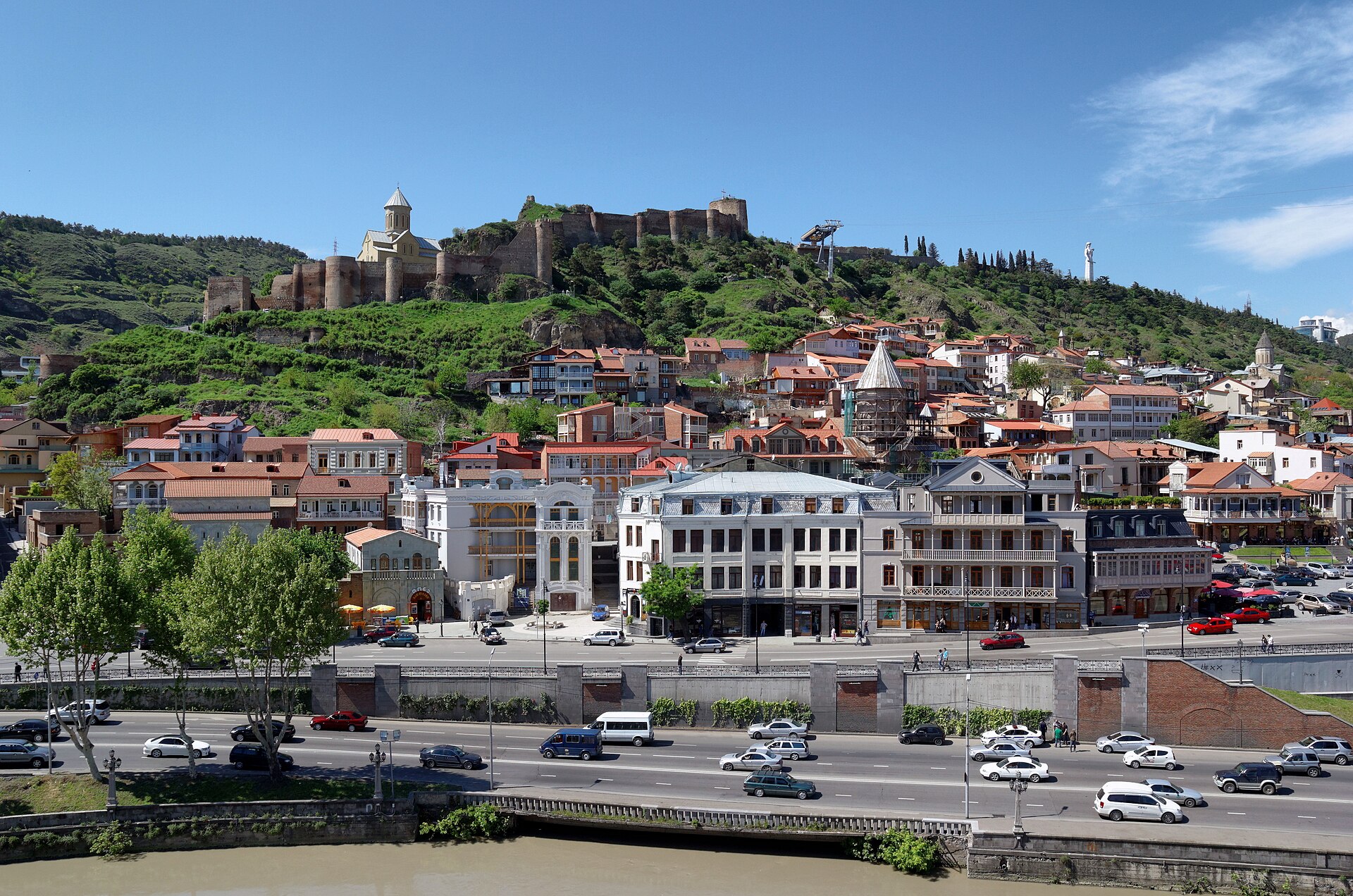
Violent crime against tourists is rare in Georgia. Tbilisi’s central districts, including Old Tbilisi, Rustaveli Avenue, Vera and Vake, are generally safe to walk through in the evening and at night. Street lighting and foot traffic are reasonable in these areas, and locals are used to seeing visitors out late.
Petty theft, such as pickpocketing, is uncommon but not unheard of, particularly in crowded places like markets, the Dry Bridge area, public transport during peak hours, and busy festival crowds. Normal precautions apply: keep bags closed and in sight, avoid displaying large amounts of cash, and use hotel safes for passports and spare cards.
Roads and driving
Road traffic is the most significant practical risk for visitors. Driving in Georgia can be aggressive, with frequent overtaking on blind corners, inconsistent lane discipline, and minibuses (marshrutkas) that move fast. Rural and mountain roads are often narrow, unpaved in sections, or affected by landslides and seasonal closures, especially in the Caucasus passes.
- If self-driving, stay alert, keep speeds moderate, and avoid night driving on mountain routes.
- Check current conditions before heading into highland areas such as Svaneti, Tusheti or the Georgian Military Highway via our road status page.
- Hiring a local driver for longer mountain trips is a reasonable option for visitors uncomfortable with local driving style.
Mountains, weather and altitude
Georgia’s mountain regions are a major draw, but weather can change quickly, particularly above 2,000 metres. Sudden temperature drops, fog and storms are common even in summer. Visitors planning treks in Svaneti, Kazbegi or Tusheti should:
- Check forecasts the morning of departure, not days in advance.
- Carry layers, rain protection and enough water and food for delays.
- Allow extra time for altitude acclimatisation on multi-day treks.
- Tell someone your planned route and return time, since mobile coverage is patchy in remote valleys.
Earthquakes are possible in Georgia given its position in a seismically active zone, but major damaging events are rare. No special precautions are needed beyond general awareness.
Stray dogs
Stray dogs are common in both cities and rural areas. Most are vaccinated and identifiable by an ear tag, and are accustomed to people and generally calm. Aggressive behaviour is uncommon but can occur, particularly toward joggers or cyclists moving quickly. It is sensible not to approach or feed strays, and to walk calmly away if a dog seems agitated.
Political demonstrations
Peaceful political demonstrations occasionally take place on Rustaveli Avenue in central Tbilisi. These gatherings are generally not aimed at tourists and rarely turn confrontational, but visitors should avoid joining or lingering near them as a precaution, and should follow local news or hotel staff advice if a demonstration is planned during a visit.
Abkhazia and South Ossetia (Tskhinvali region)
The breakaway regions of Abkhazia and South Ossetia are not under the control of the Georgian government and are off-limits to independent travel from Georgia proper. Most foreign governments, including the UK Foreign, Commonwealth and Development Office and the US State Department, advise against all travel to these areas. Entering either region from Russian territory is illegal under Georgian law and can result in criminal liability, including being barred from future entry to Georgia. Visitors should not attempt to cross into these regions under any circumstances.
Solo women travellers
Georgia is generally considered safe for solo women travellers, including in cities and on popular trekking routes. Usual precautions apply: avoid isolated areas late at night, use licensed taxis or ride-hailing apps rather than unmarked cars, and trust local instinct in unfamiliar situations. Street harassment exists but is not markedly worse than in other European destinations, and solo female travel is common enough that locals, especially in the hospitality sector, are used to assisting unaccompanied women.
LGBT travellers
Homosexuality is legal in Georgia, but society remains conservative, particularly outside Tbilisi. Public displays of affection between same-sex couples are not widely accepted and can draw negative attention in smaller towns and rural areas. Tbilisi has a small but established LGBT-friendly scene in certain venues. Discretion is advised when travelling outside the capital, and travellers should research specific venues or areas in advance rather than assuming open acceptance nationwide.
Water, health and emergencies
Tap water is safe to drink in Tbilisi and most towns and cities across Georgia; bottled water is only necessary as a precaution in some remote rural guesthouses. The nationwide emergency number is 112, and operators are generally able to assist in English, in addition to Georgian and Russian.
Since 1 January 2026, travel insurance has been mandatory for visitors entering Georgia. Details on requirements and how to obtain compliant coverage are set out in our guide to Georgia’s 2026 travel insurance rule.
Before you travel
- Check your home government’s current travel advisory for Georgia, such as the FCDO or US State Department, before departure.
- Confirm your travel insurance meets the 2026 entry requirement.
- Check road conditions if planning mountain travel.
- Save the 112 emergency number and your embassy’s contact details on arrival.
Quick answers
Is Tbilisi safe to walk at night? Yes, central districts are generally safe, with normal urban precautions advised.
What is the biggest real risk for tourists in Georgia? Road traffic and poor rural road conditions, more than crime.
Can I visit Abkhazia or South Ossetia? No; both are off-limits via Georgia, and entry from Russia is illegal under Georgian law.
Is travel insurance required? Yes, mandatory since 1 January 2026; see our dedicated guide for details.
Is tap water safe? Yes, in Tbilisi and most towns across the country.
What number do I call in an emergency? 112, nationwide, with English-speaking operators generally available.
Sources
- UK Foreign, Commonwealth and Development Office (FCDO) travel advice
- US Department of State travel advisories
- Georgian Ministry of Internal Affairs
Tell us your dates and what you love. A GTour travel expert designs a private itinerary and calls you back — no payment until you are sure.
Been to Georgia? Tell us how it went — the best stories are published here.
Share your trip