
By Prof. Giorgi Pkhakadze, MD, MPH, PhD · 16/10/2026
Last checked by the GTour desk on 16 October 2026. Rules, prices and schedules in Georgia change; this page is reviewed and the date updated when they do.
Georgia has a well-developed network of pharmacies and a growing private healthcare sector concentrated in Tbilisi. This guide explains what to expect, where to go for different levels of care, and how to prepare before you travel.
Pharmacies
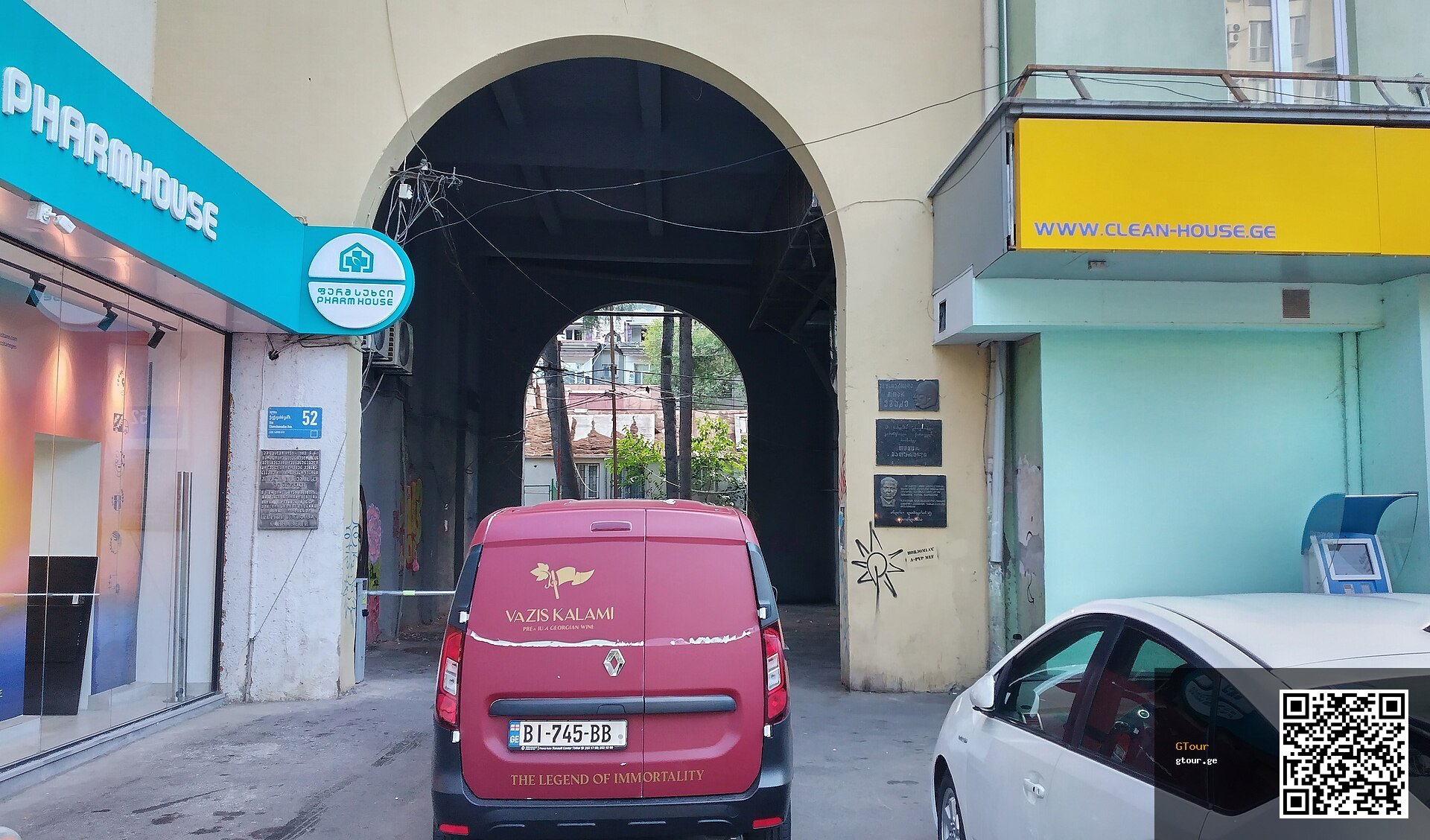
Pharmacies, called aptiaki in Georgian, are found on almost every street in Tbilisi, Batumi, Kutaisi and other towns. The main chains are PSP, Aversi and GPC, many of which operate 24 hours, especially in central Tbilisi. Staff in larger branches, particularly in tourist areas, often speak some English, though basic words or a translation app help in smaller towns.
- Many common medicines, including painkillers, cold remedies and some chronic-condition drugs, can be bought without a prescription.
- Antibiotics now require a prescription in Georgia; pharmacists will not sell them over the counter as they sometimes did in the past.
- If you take regular medication, bring enough for your full trip in its original packaging, along with a copy of the prescription or a doctor’s letter. This avoids problems both at customs and if you need a refill locally.
Clinics and hospitals
Tbilisi has several private hospitals and clinics with English-speaking doctors and emergency departments built to international standards. Examples include Evex/Caucasus Medical Centre, American Medical Centre, Aversi Clinic and MediClub Georgia, among others. These are independent facilities and this list is not a ranking; visitors should check current reviews and services before choosing one.
Outside the capital, and to some extent in Batumi and Kutaisi, medical infrastructure is more limited. For anything beyond minor, routine problems, the standard practice is to stabilise locally and transfer to Tbilisi, where specialist care and better-equipped hospitals are available. If you are travelling in rural regions, mountains or smaller towns, it is worth knowing the nearest town with a serviceable clinic before you set out.
Emergencies
The emergency number in Georgia is 112, covering ambulance, police and fire services. Operators can usually connect you with an English-speaking dispatcher or call handler. Ambulance transport itself is free of charge.
Hospital treatment, however, is paid. From January 2026, travel health insurance is mandatory for visitors entering Georgia (see Georgia travel insurance 2026 for details). Clinics and hospitals will typically ask to see your insurance policy details or request payment upfront before admitting you for non-emergency treatment, and sometimes even for emergency care once you are stabilised. Keep a digital and paper copy of your insurance policy and emergency contact numbers with you at all times.
Before you travel: health basics
Georgia does not currently require any vaccinations for entry. It is sensible to be up to date on routine vaccinations (tetanus, diphtheria, measles) and to consider hepatitis A vaccination, as with most travel to the region.
- Rabies: Stray dogs are common in cities and rural areas. They are generally not aggressive, but bites or even licks on broken skin carry a small rabies risk. Wash any wound thoroughly with soap and water immediately, and seek medical attention the same day for post-exposure treatment; do not wait to see if symptoms develop.
- Tick-borne disease: Hikers and those spending time in rural or forested areas in summer should check for ticks after outdoor activity and remove them promptly. Seek medical advice if a rash or fever develops in the following weeks.
- Malaria: There is no malaria risk in Georgia, so no antimalarial medication is needed.
Dental care
Dental clinics in Tbilisi are generally good quality and considerably less expensive than in Western Europe or North America. Many dentists speak English, and some visitors combine a trip to Georgia with routine dental work. As with medical clinics, check recent reviews and confirm costs before treatment, since exact prices vary by clinic and procedure.
Practical tips
- Save the 112 emergency number and the address of the nearest major hospital in Tbilisi before you need them.
- Carry a basic first-aid kit, including antiseptic and bandages, if travelling outside major cities.
- Photograph or photocopy your insurance documents and keep them accessible offline.
- If you have a chronic condition, carry a brief medical summary in English, especially if you take regular medication.
This page has been reviewed by Prof. Giorgi Pkhakadze, MD, MPH, PhD, for medical and public-health accuracy.
Quick answers
Can I buy antibiotics without a prescription in Georgia? No, a prescription is now required for antibiotics at Georgian pharmacies.
Is the ambulance service free? Yes, ambulance transport via 112 is free, but hospital treatment is paid and insurance is required.
What should I do if a stray dog bites or licks me? Wash the area with soap and water immediately and get medical attention the same day for possible rabies treatment.
Are there English-speaking doctors in Georgia? Yes, especially in private clinics and hospitals in Tbilisi; rural areas have more limited English-language care.
Do I need travel insurance to visit Georgia? Yes, from January 2026 travel health insurance is mandatory for visitors.
Is dental care in Georgia good value? Yes, Tbilisi has reputable dental clinics that are significantly cheaper than in many Western countries.
Sources
- Ministry of Internally Displaced Persons from the Occupied Territories, Labour, Health and Social Affairs of Georgia
- gtour.ge/georgia-travel-insurance-2026/
Tell us your dates and what you love. A GTour travel expert designs a private itinerary and calls you back — no payment until you are sure.
Photo: Yuri Samoylov / Wikimedia Commons, CC BY-SA 4.0
Been to Georgia? Tell us how it went — the best stories are published here.
Share your trip