
By Nino Gelashvili, Travel News Editor · 16/10/2026
Last checked by the GTour desk on 16 October 2026. Rules, prices and schedules in Georgia change; this page is reviewed and the date updated when they do.
Georgia’s national currency is the lari (GEL, symbol ₾), divided into 100 tetri. Visitors arriving from abroad should plan for a mix of cards and cash, since the two are used in quite different settings around the country.
Currency basics
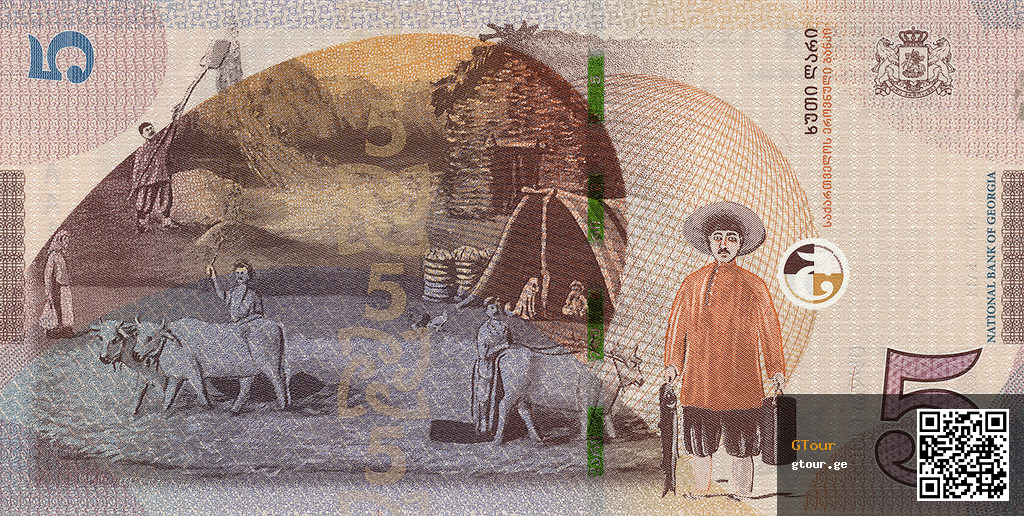
The lari is the only legal tender in Georgia. Banknotes come in denominations from 1 to 200 lari, with coins for smaller amounts. No exact exchange rate is quoted here, as rates change daily; check a reliable source such as the National Bank of Georgia or your bank’s app before travelling and again on arrival.
Cards versus cash
Contactless and chip cards are widely accepted in Tbilisi, Batumi, Kutaisi and other larger towns. Most hotels, restaurants, supermarkets and fuel stations take Visa and Mastercard without difficulty. However, cash remains essential in several everyday situations:
- Village guesthouses and family-run homestays
- Local markets and small food stalls
- Marshrutka (shared minibus) travel between towns
- Small shops in rural areas and mountain regions
- Some taxis, especially outside the capital
A reasonable approach is to carry a moderate amount of lari in cash for daily small purchases and rely on cards for larger payments in cities.
ATMs
ATMs are plentiful in towns and cities, operated by banks such as Bank of Georgia, TBC Bank and Liberty Bank. Most accept international cards and dispense lari. Some machines charge a withdrawal fee on top of whatever your home bank applies, so it is worth checking the screen before confirming a transaction. In remote mountain villages, ATMs can be scarce or absent, so withdraw cash in the nearest larger town before heading into rural areas such as Svaneti or Tusheti.
Currency exchange
Exchange offices (“sakurso”) are common throughout Tbilisi and other cities, and generally offer fair, competitive rates with no commission. It is advisable to compare a few offices, as rates can vary slightly between them. Exchanging money at the airport is convenient for small amounts needed immediately, but rates there are typically less favourable, so avoid changing large sums at airport counters. Euros and US dollars are the easiest currencies to exchange almost everywhere; other currencies, including British pounds or currencies from neighbouring countries, may only be accepted at larger exchange offices or banks in the capital.
Carrying cash across the border
Travellers entering or leaving Georgia with cash or cash equivalents exceeding 30,000 GEL (or the equivalent in another currency) are required to declare this amount to customs. This applies to both arrivals and departures. Most visitors carrying everyday travel funds will not come close to this threshold, but it is worth being aware of if transporting larger sums.
Tipping customs
Tipping in Georgia is appreciated but not strictly obligatory, and practices vary by setting.
- In Tbilisi restaurants, a 10% service charge is often already added to the bill; check before adding extra.
- Where no service charge appears, a tip of 5-10% is customary in restaurants and cafés.
- For taxis, rounding up to the nearest convenient amount is standard practice rather than a fixed percentage.
- Tour guides and drivers are commonly tipped for full-day or multi-day services, particularly on organised tours; amounts depend on group size and length of service.
Tipping in cash is preferred, even when the main bill is paid by card.
Cost of travel in Georgia
Overall, Georgia remains more affordable than most Western European destinations, particularly for food, transport and guesthouse accommodation outside the capital. However, Tbilisi has seen a marked rise in prices since 2022, affecting restaurants, rentals and mid-range hotels in particular. Visitors budgeting for a trip should expect city costs closer to those of a mid-range European capital, while regional towns and rural areas remain considerably cheaper.
Practical tips
- Notify your bank of travel dates to avoid card blocks.
- Carry a backup card in case one is declined.
- Keep small denomination lari notes for markets, marshrutkas and tips.
- Withdraw cash before travelling to remote mountain regions.
- Compare a couple of exchange offices in Tbilisi rather than relying on the first one seen.
Quick answers
What is the currency of Georgia? The Georgian lari (GEL), symbol ₾.
Can I pay by card everywhere? Cards work widely in cities, but cash is needed in villages, markets and marshrutkas.
Is it better to exchange money at the airport? No, airport rates are usually less favourable than city exchange offices.
Do I need to declare cash at the border? Only if carrying more than 30,000 GEL or its equivalent.
Is tipping expected in Georgia? It is appreciated rather than mandatory; check if a service charge is already included.
Is Georgia expensive to visit? It remains affordable overall, though Tbilisi prices have risen noticeably since 2022.
Sources
- National Bank of Georgia
- Georgia Revenue Service (customs declaration rules)
Tell us your dates and what you love. A GTour travel expert designs a private itinerary and calls you back — no payment until you are sure.
Photo: საქართველოს ეროვნული ბანკი (National Bank of Georgia) / Wikimedia Commons, Public domain
Been to Georgia? Tell us how it went — the best stories are published here.
Share your trip