

By Nino Gelashvili, Travel News Editor · 26/10/2026
Most travellers from Europe, North America, the Gulf and much of the former Soviet space do not need a visa to enter Georgia and can stay for up to 365 days per visit. Citizens of roughly 90 to 100 countries, a list that includes the EU and Schengen states, the UK, the US, Canada, the UAE, Qatar, Saudi Arabia, Israel, Japan, South Korea and most CIS nations, travel under this visa-free regime, which is one of the most liberal in the world. Travellers from countries not on that list usually apply for Georgia’s e-visa online before departure.
Because the visa-free list, the e-visa fee schedule and entry conditions are set and occasionally revised by the Georgian government, this guide gives the structure that has applied through 2026 and tells you exactly where to confirm the current detail before you book flights. The two points most likely to catch travellers out are the legal ban on entering the Russian-occupied regions of Abkhazia and South Ossetia from Russian territory, and the newer requirement to carry proof of travel medical insurance, both covered below.
Who gets 365 days visa-free
Georgia’s visa-free regime, run under the Law on International Protection and related government resolutions, groups eligible nationalities by category rather than giving every country the same length of stay. For most Europeans, North Americans, Gulf nationals and citizens of CIS states, the standard allowance is 365 calendar days within a given entry, not a rolling 90-in-180 window as in the Schengen area. A valid passport, generally with at least one blank page and practical validity beyond the planned stay, is the only document required for entry; no visa stamp or online approval is needed in advance.
| Traveller group | Typical regime | Length of stay |
|---|---|---|
| EU/EEA, UK, US, Canada, most Gulf states, Israel, Japan, South Korea | Visa-free | Up to 365 days |
| Most CIS countries (Armenia, Azerbaijan, Kazakhstan, Ukraine and others) | Visa-free or ID-based entry | Up to 365 days |
| Countries not on the visa-free list | E-visa required | Set by visa type, commonly 30 or 90 days |
Because governments periodically add or remove countries from this list, always check the current version on the Ministry of Foreign Affairs visa pages or the e-visa portal before travelling, particularly if your nationality is not one of the long-standing visa-free countries.
Who needs an e-visa, and how to apply
Nationals of countries outside the visa-free list apply through Georgia’s official e-visa portal. The process is entirely online: you create an account, upload a passport scan and a passport-style photo, state the purpose and dates of travel, and pay the fee by card. Processing is usually quick, often within a few working days, but the portal recommends applying well ahead of travel in case of delays or requests for extra documents.
- Apply only through the official government e-visa site; third-party sites charging extra fees are not endorsed by the Georgian government.
- Print or save the approval PDF and carry it, along with your passport, when you fly or drive in.
- E-visa validity periods and fees vary by nationality and visa category, so confirm the exact figure for your passport on the portal rather than relying on a figure quoted elsewhere.
If in doubt about which category applies to you, the e-visa portal has a nationality checker that states directly whether you need a visa at all.
Documents checked at the border
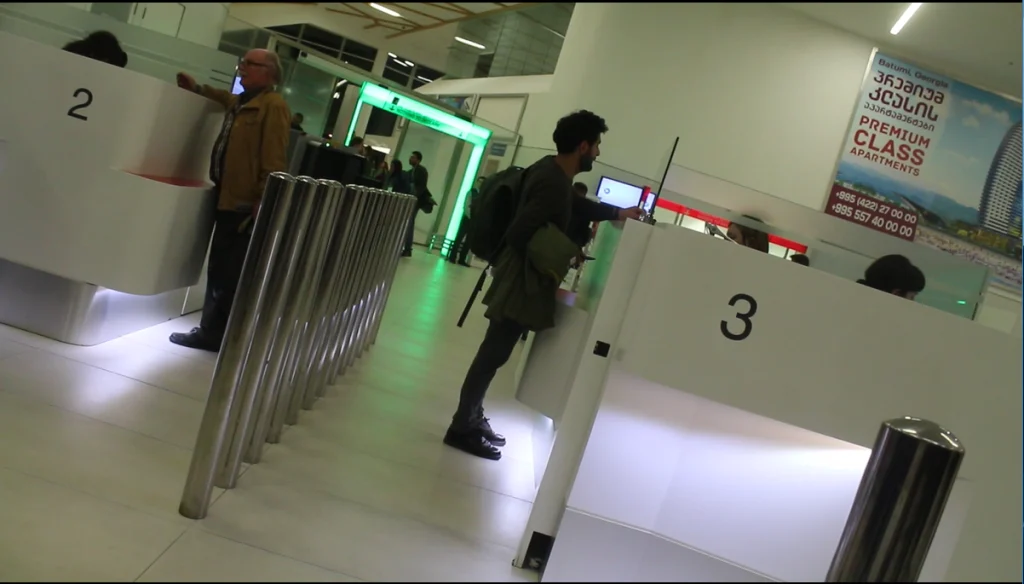
Land, air and sea border points in Georgia are run by the Patrol Police and the Revenue Service. In practice, officers typically ask for:
- A passport valid for the intended stay, with enough blank pages for a stamp.
- Proof of onward travel or an indicative return date, particularly for first-time visitors.
- Evidence of accommodation, such as a hotel booking or host address, though this is not always requested.
- Proof of sufficient funds for the stay, occasionally requested at land crossings from neighbouring countries.
- From 2026, proof of valid travel medical insurance, see below.
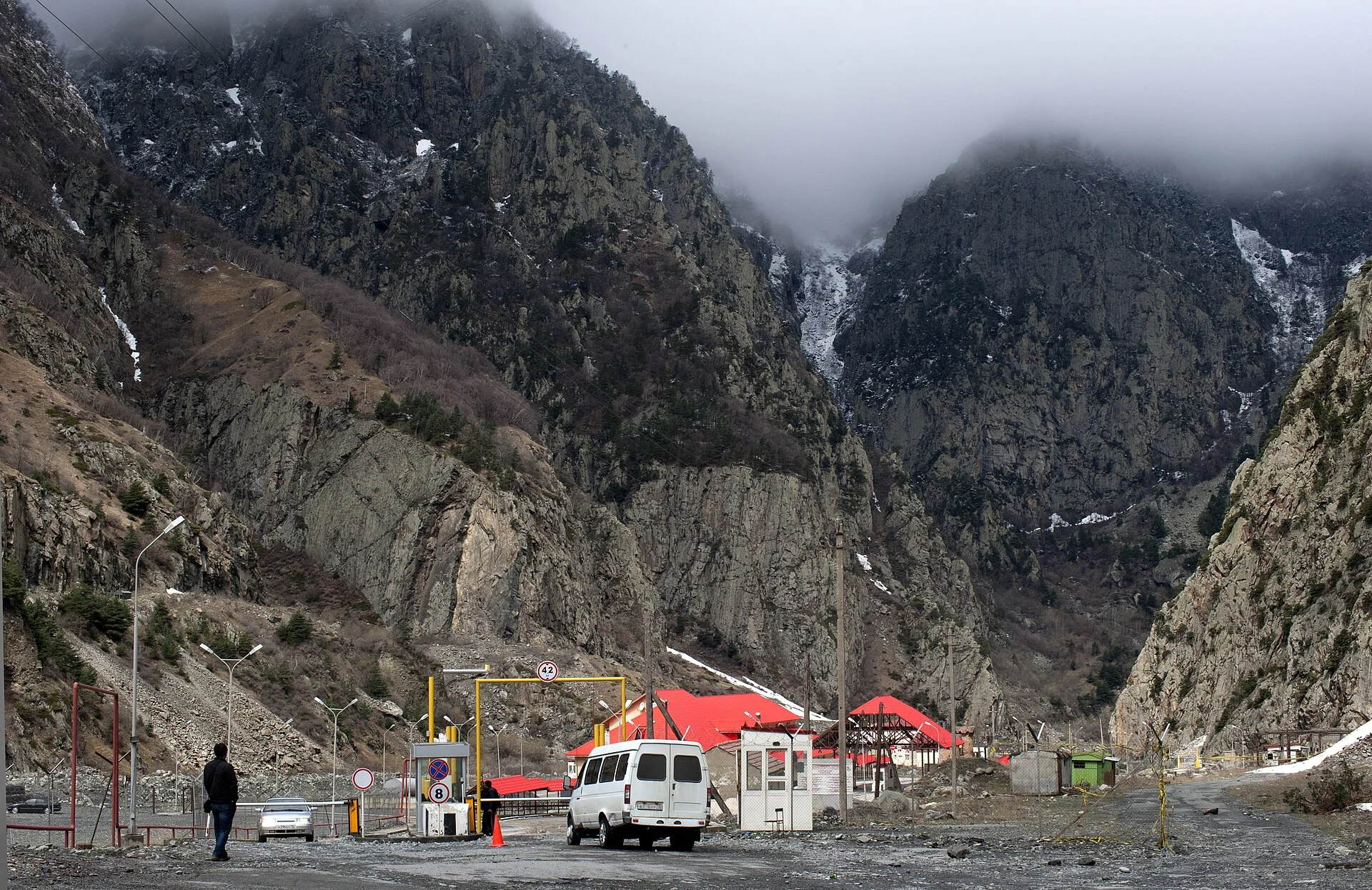
Officers retain discretion to ask further questions or refuse entry, as in any country, so keep documents accessible and answers straightforward, especially if arriving by land from Armenia, Azerbaijan or Turkey, where queues and manual checks can take longer than at the international airports in Tbilisi, Kutaisi or Batumi.
Mandatory travel insurance since 2026
Georgian authorities introduced a requirement during 2026 for incoming travellers to hold valid travel medical insurance covering their stay. Because this is a relatively new rule, details such as the minimum coverage amount, which nationalities or visa categories it applies to, and how strictly it is checked at different border points, have been clarified and adjusted since introduction. Do not rely on secondhand summaries, including this one, for your own trip: confirm the current wording and any exemptions directly on the Ministry of Foreign Affairs or gov.ge pages, and on the e-visa portal if you are applying for an e-visa, before you travel.
In practice, most travellers already carry travel insurance covering medical treatment and repatriation, so this requirement is unlikely to change plans for those who routinely insure trips abroad. If you do not usually buy travel insurance, arrange a policy that names Georgia and covers the full length of your stay, and keep the policy document or confirmation email accessible on your phone or printed, in case it is requested at the border.
Abkhazia and South Ossetia: entry is restricted and risky
Abkhazia and the Tskhinvali region, commonly known internationally as South Ossetia, are recognised under Georgian law and by the overwhelming majority of UN member states as occupied territories of Georgia. Georgian law makes it a criminal offence to enter these regions from Russian territory, that is, without passing through Georgian government control. Travellers who enter Abkhazia or South Ossetia via Russia, even inadvertently as part of an organised tour, risk being refused future entry to Georgia, placed on an entry ban list, or in some cases, prosecuted under Georgian law.
There are limited, controlled crossing points from Georgian-administered territory into parts of Abkhazia, and access can change with the political situation; anyone considering this should check current government guidance and the Ministry of Foreign Affairs travel advice beforehand, and bear in mind that practical safety and consular protection in these regions are limited. For most visitors the straightforward advice is: do not attempt entry into Abkhazia or South Ossetia from Russia, and treat the regions as closed to casual tourism.
Overstays, fines and re-entry bans
Overstaying your permitted visa-free period, e-visa validity or visa is a legal matter in Georgia, not an administrative formality. Consequences can include:
- A fine, with the amount set by Georgian immigration legislation and liable to change; current figures are published on gov.ge and enforced by the Patrol Police and Migration Department.
- A re-entry ban of a set period, which has historically ranged from one to several years depending on the length and circumstances of the overstay.
- Possible detention or deportation proceedings in serious or repeated cases.
If you realise you have overstayed, or your circumstances change and you need to extend a stay, contact the Migration Department or a Georgian lawyer before your visa-free period or e-visa expires rather than after. Extensions and status changes are handled through Georgia’s Public Service Halls, and procedures and required documents are set out on gov.ge.
How Georgia’s visa system compares in the region
Georgia’s 365-day visa-free allowance for most of Europe, North America and the Gulf is unusually generous by regional standards, and considerably longer than the 90-day short-stay norm common across the Schengen area. This openness underpins Georgia’s tourism and residency appeal, since many long-stay visitors, remote workers and seasonal residents rely on the 365-day allowance rather than applying for a residence permit. That said, visa-free entry is not the same as residency or the right to work; anyone planning to live in Georgia long-term, start a business or take local employment should check the separate rules for residence permits and work authorisation on gov.ge, since these carry their own document and tax requirements distinct from tourist entry.
If this guide is part of a trip you are planning, our Georgia in 10 Days — Tbilisi to Svaneti to the Sea and Tbilisi & Mtskheta — The Essential First Day cover the places it describes with a private guide and driver; a GTour travel expert adapts the route to your dates.
Practical summary
- Check your specific nationality on the e-visa portal or Ministry of Foreign Affairs site before booking, since visa-free lists and e-visa requirements can change.
- Most Europeans, North Americans, Gulf and CIS nationals get 365 days visa-free; everyone else generally needs an e-visa applied for online in advance.
- Carry a passport valid for your full stay, evidence of onward travel or accommodation, and, from 2026, proof of valid travel medical insurance.
- Do not attempt to enter Abkhazia or South Ossetia from Russia; this is a criminal offence under Georgian law and can lead to a permanent entry ban.
- Overstaying leads to fines and re-entry bans; contact the Migration Department before your permitted stay expires if you need more time.
- Rules in this area change; always confirm current detail on the official government pages linked in this guide before you travel.
Sources
- Georgia e-visa portal
- Ministry of Foreign Affairs visa information
- Legislative Herald of Georgia
- Civil.ge coverage of occupied territories law
- Agenda.ge travel and visa news
- Government of Georgia services portal
- Georgia.travel entry requirements
Questions this guide does not answer? Write to info@castle.ge or WhatsApp +995 577 41 63 14 — a person in Tbilisi replies. See also our travel services and all guides.
Travelers collect luggage and pass through arrivals at Tbilisi International Airport. · Photo: Andrew Milligan Sumo / Wikimedia Commons, CC BY 2.0
Been to Georgia? Tell us how it went — the best stories are published here.
Share your tripOne email a week: what changed for travellers in Georgia — rules, roads, flights, seasons — plus one place worth the trip. Written by the GTour desk, no advertising, unsubscribe in one click.
This story across our partner network — ქართულად: შენი დასვენება