
Fewer than 1,000 African wild dogs survive in Kenya; Laikipia’s monitored packs now offer safari travellers a rare, conservation-funded sighting.

Fewer than 1,000 African wild dogs survive in Kenya; Laikipia’s monitored packs now offer safari travellers a rare, conservation-funded sighting.
A network of 43 community conservancies across 8.4 million acres has driven wildlife recovery in Kenya’s arid north, from Grevy’s zebra to elephants.
On Kenya’s Laikipia Plateau, Ol Pejeta Conservancy protects over 110 black rhinos and the world’s last two northern white rhinos, Najin and Fatu.
Lease payments on Maasai land now sustain more wildlife than Kenya’s parks, with conservancies covering over 300,000 acres and cutting lion deaths by 61%.
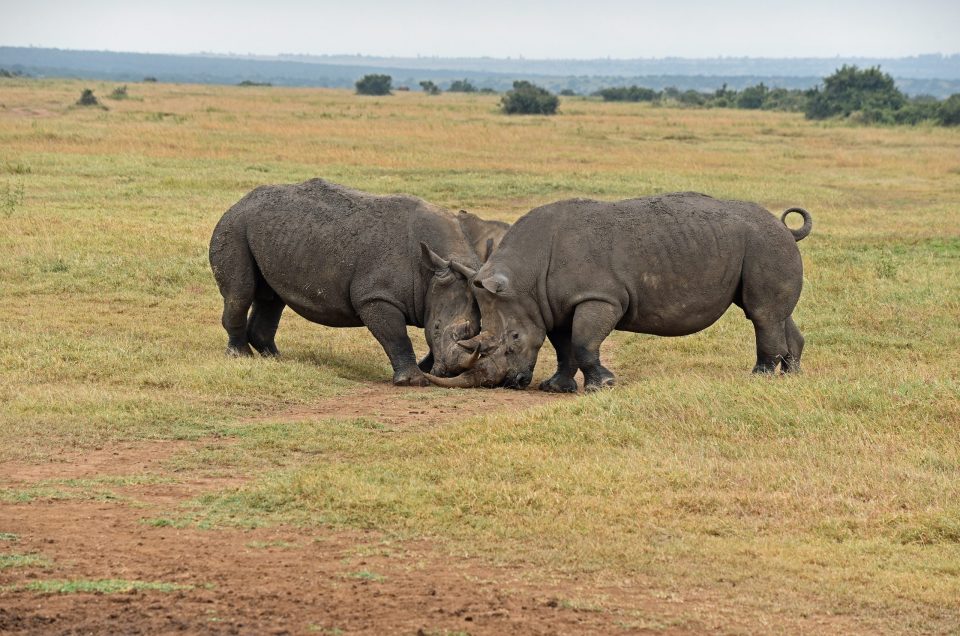
Kenya’s black rhino population has rebounded from under 400 in the 1980s to over 900 today, funded largely by safari tourism.
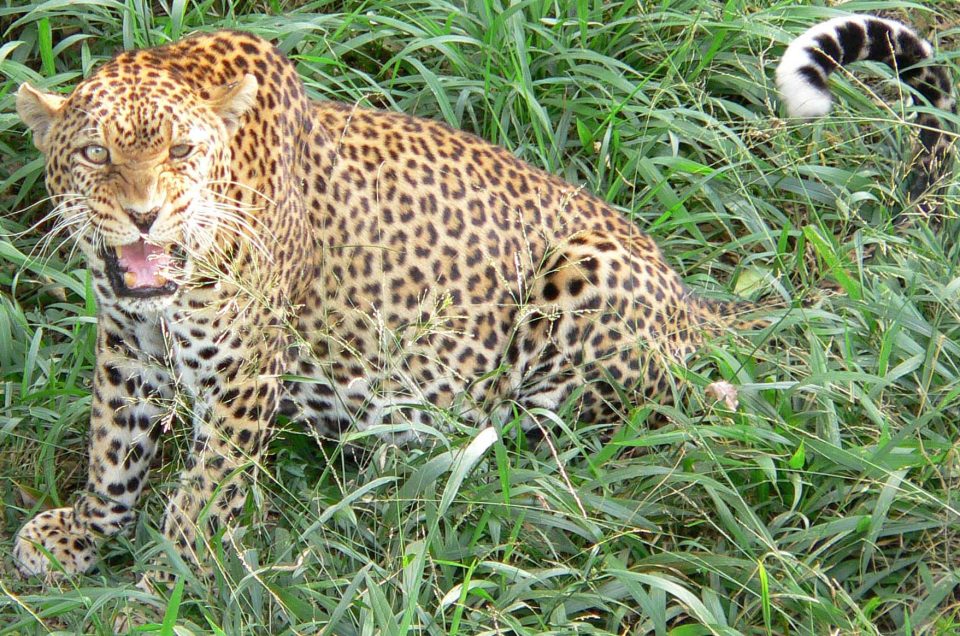
Tbilisi designer Nino Beridze, 33, describes her first African safari as Caucasian travel to Kenya surges from under 1% to 6% of one operator’s clients.
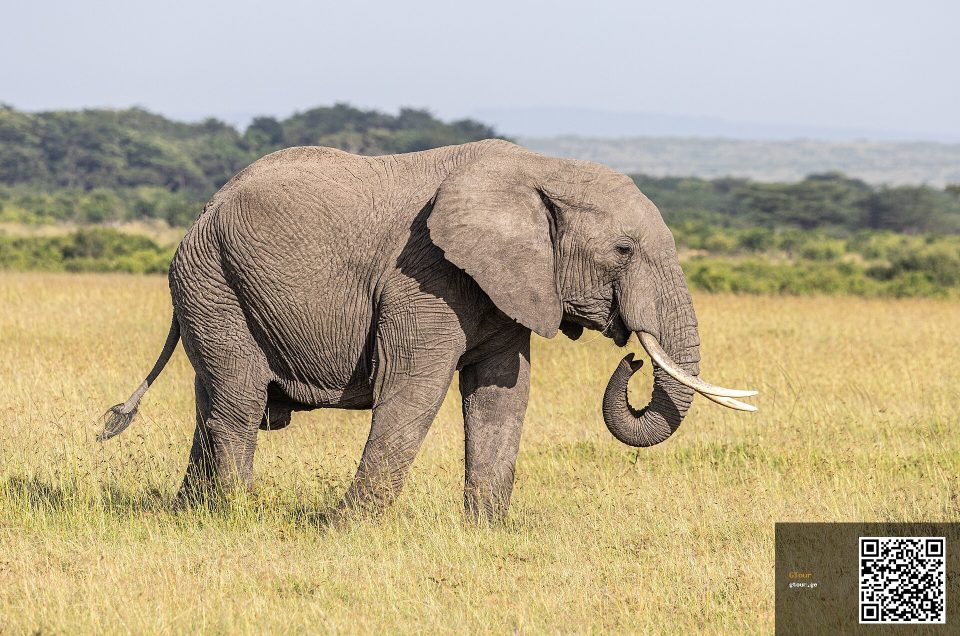
Dublin IT worker David spent two weeks solo in Kenya and found guides, camps and fellow guests made the trip anything but lonely.
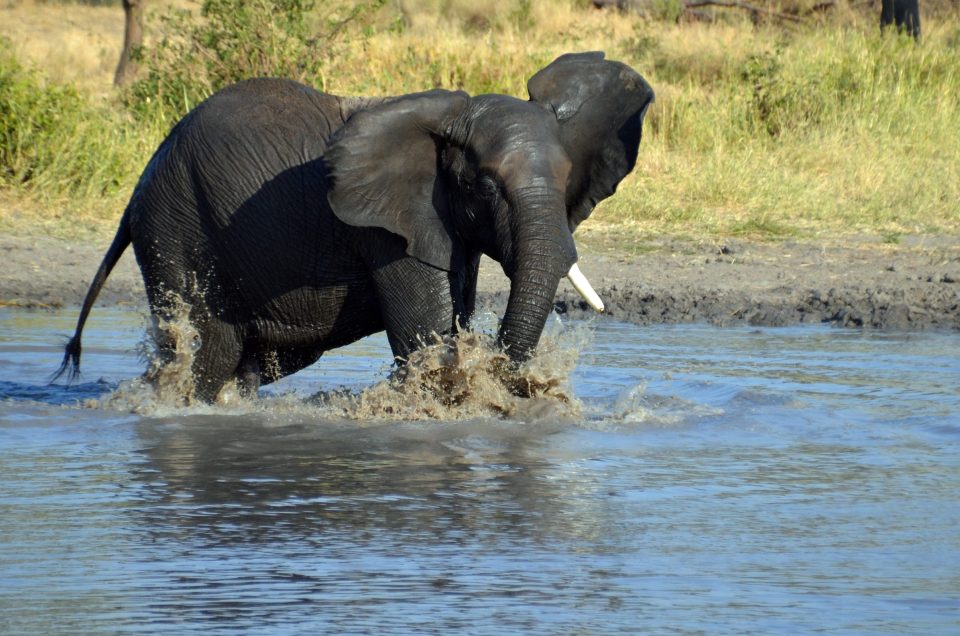
A Bristol family’s January trip to Kenya shows how age, camp choice and small routines decide whether a safari with under-10s truly works.
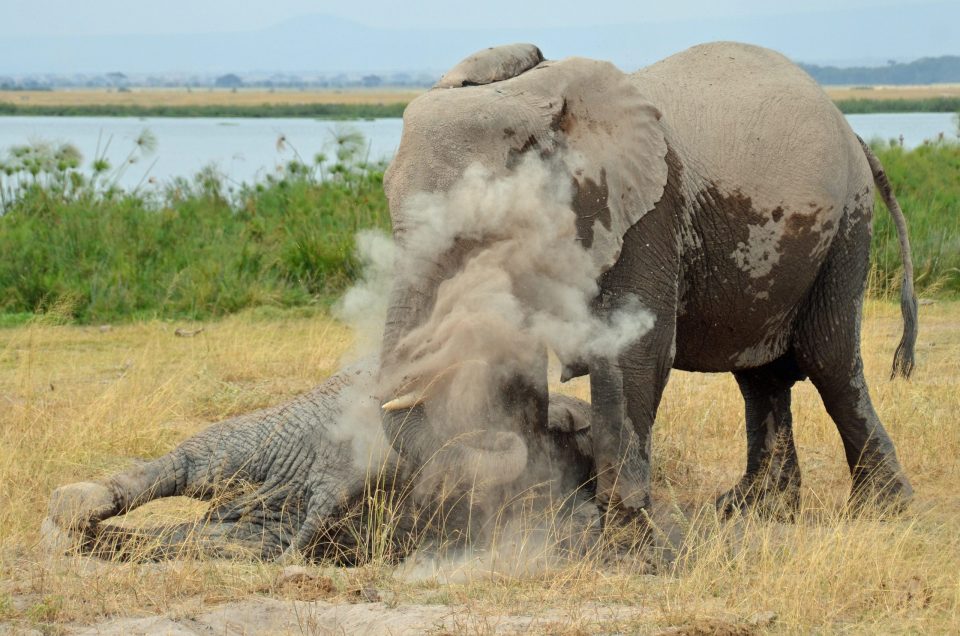
A honeymoon safari in Kenya’s private conservancies traded spa music for savannah sounds — and rare wildlife encounters most beach resorts can’t offer.
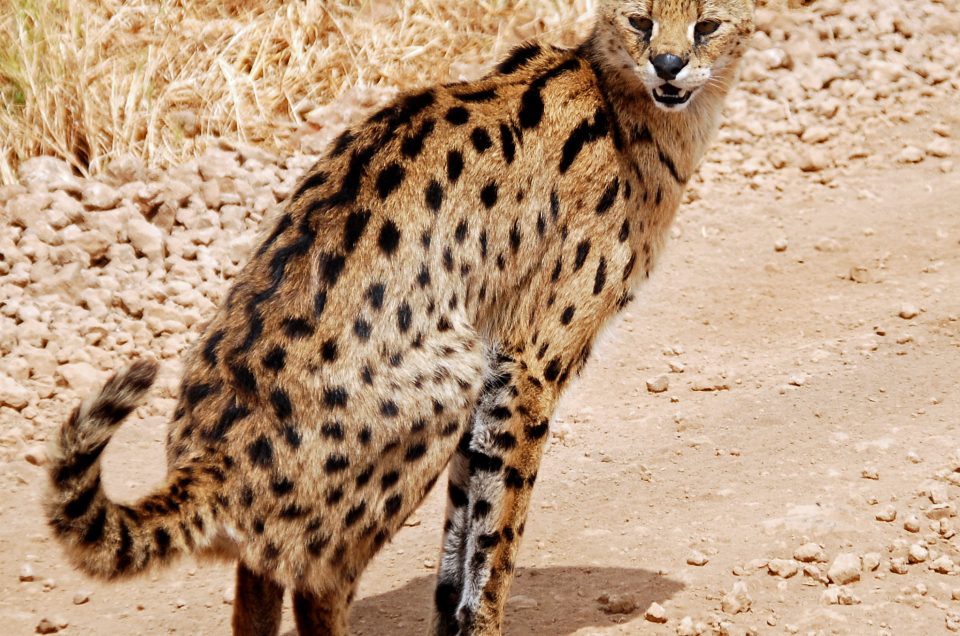
Sarah Mitchell, 38, waited thirty years for Africa. Four days in, she watched the wildebeest crossing from the bank of the Mara River.
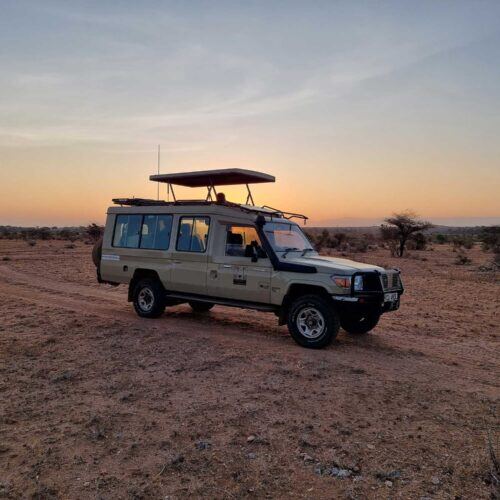
From $150 tented camps to $2,500 conservancy lodges, a breakdown of Kenya safari pricing, hidden extras and a realistic weekly budget.
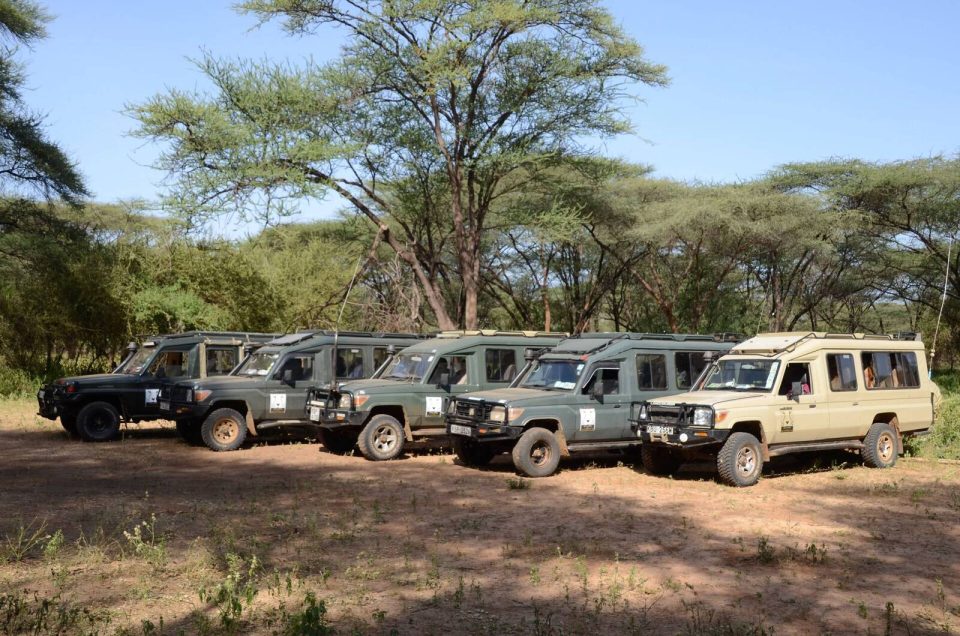
Kenya allows self-drive in most parks, but guided drives spot far more wildlife — a look at cost, access and a hybrid middle path.