

By Prof. Giorgi Pkhakadze, MD, MPH, PhD · 13/09/2026
I have worked in 25+ countries. I have attended conferences in Geneva, Brussels, Washington and Mumbai. And when colleagues ask me where to spend a week off — truly switch off, eat well, see something extraordinary — I give the same answer every time: Georgia.
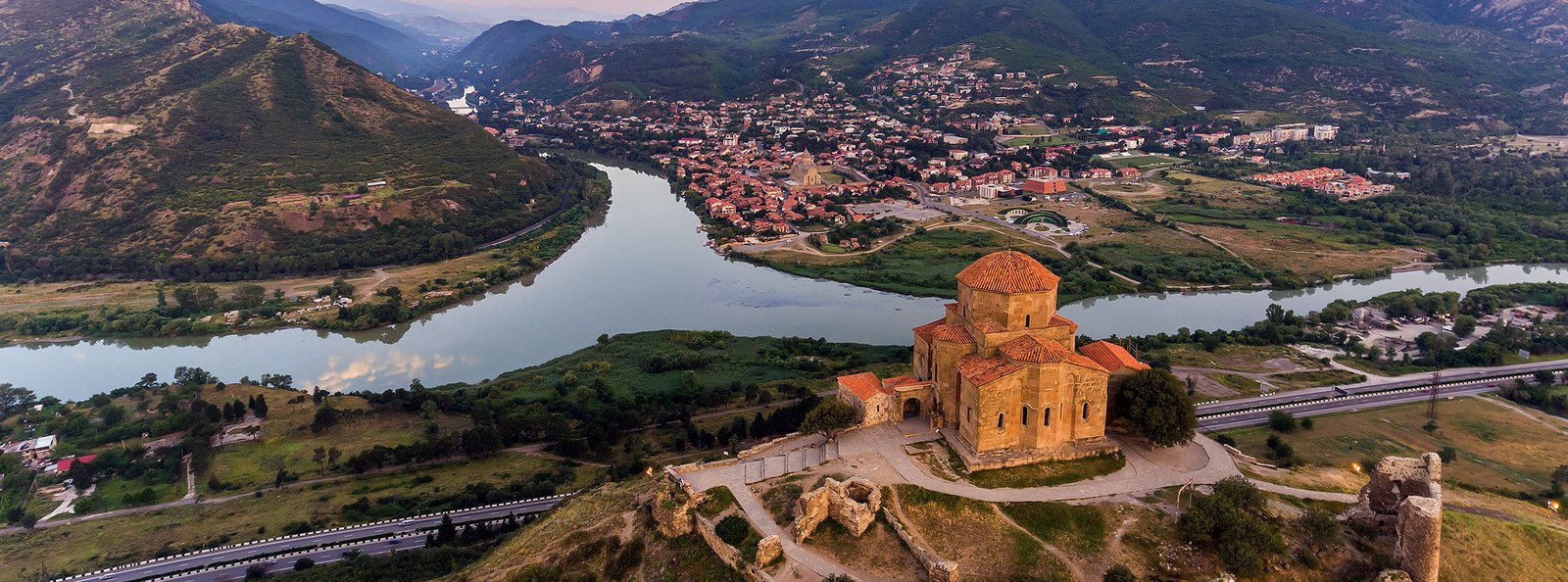
Not the US state. The country at the crossroads of Europe and Asia, tucked between the Caucasus mountains and the Black Sea. A country that has been making wine for 8,000 years, building churches for 1,700 years, and welcoming strangers with the kind of hospitality that makes you feel guilty for leaving.
What Makes Georgia Genuinely Different
Most travel destinations offer you a version of themselves — sanitised, packaged, safe. Georgia offers you the real thing. The medieval tower-houses of Svaneti have not been turned into boutique hotels (though there are some). The village grandmothers still make churchkhela by hand. The wine still ferments in clay qvevri buried underground, as it has for 80 centuries.
And the mountains. The Caucasus range runs along Georgia’s northern border, and it is simply one of the most dramatic landscapes on earth — bigger, wilder, and more accessible than the Alps, at a fraction of the cost.
The Food: Why Georgia Belongs on Every Foodie’s List
Georgian cuisine is UNESCO-listed intangible cultural heritage. And it deserves every word of that recognition. Khinkali (soup dumplings — never use a fork), khachapuri (cheese bread in more varieties than you would believe), pkhali (walnut-herb paste), badrijani nigvzit (aubergine with walnut). The Georgian table — the supra — is not a meal, it is a ceremony.
The Wine: 8,000 Years of Practice
Georgia invented wine. That is not marketing copy — it is archaeology. The oldest evidence of wine production on earth was found here, in the Kvemo Kartli region. The amber-coloured qvevri wines of Kakheti, made by skin-contact fermentation in buried clay jars, are now sought by sommeliers in Paris, London and New York. You can drink them at source, from the producer, for €3 a glass.
Practical: Getting There & Getting Around
Tbilisi has direct flights from most European cities (Wizz Air, Pegasus, FlyOne, Turkish Airlines). Kutaisi has a second international airport with budget carriers. No visa required for EU, UK, US, and most other nationalities — you can stay up to a year. The currency (Georgian Lari, GEL) makes everything feel affordable: a good dinner for two with wine costs around €15–20.
Is It Safe?
Georgia consistently ranks among the safest countries in the world for tourists. The 2023 Global Peace Index places it in the top tier for personal safety. I have travelled here with family, with WHO colleagues, and alone at night — without incident, and without worry.
The Best Time to Visit
April–June and September–October are ideal: mild weather, green landscapes, and the grape harvest in autumn. July–August is hot in Tbilisi but perfect for mountain regions. December–February is excellent for skiing in Gudauri or Hatsvali.
Ready to experience Georgia?
We design personalised Georgia journeys — from Svaneti mountain tours to Kakheti wine experiences. Browse our tours or contact us for a bespoke itinerary.
