

By Prof. Giorgi Pkhakadze, MD, MPH, PhD · 15/09/2026
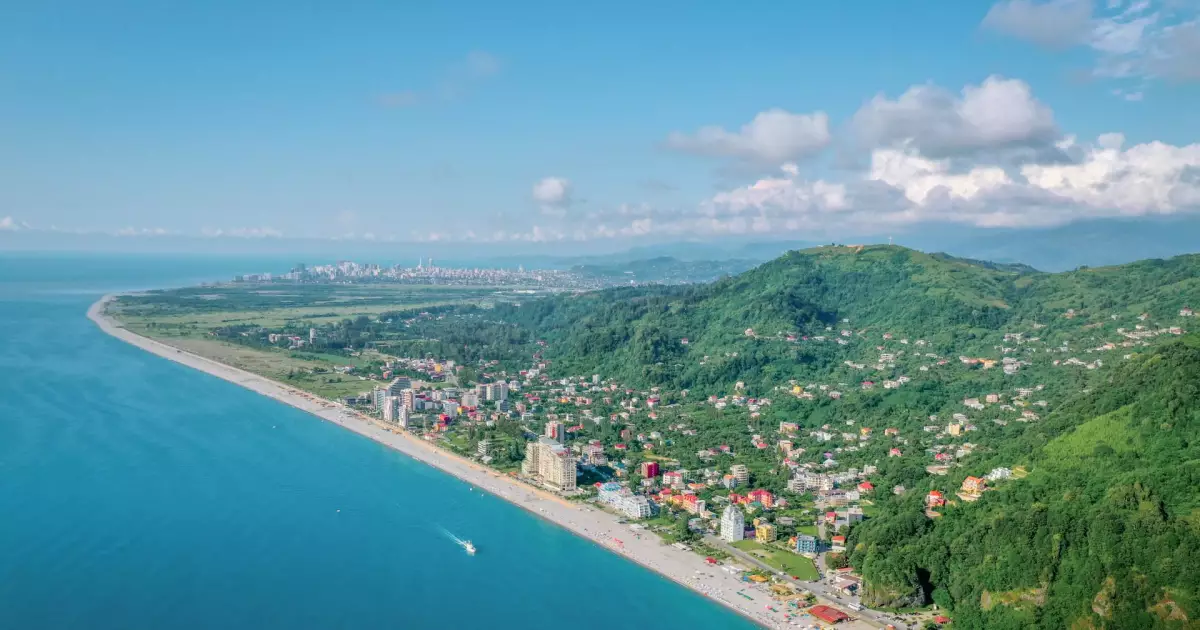
The Black Sea coast south of Batumi is a strip of beach, road and subtropical green between the water and the Ajara hills, and it ends at Sarpi, where the Turkish border crosses the sand. A few kilometres before the border, set back from the beach among orchards, stands a fortress of grey stone: 900 metres of curtain wall, eighteen towers, four gates, laid out in a neat rectangle that could only be Roman. It is called Gonio, and it is the oldest fortification in Georgia still standing to its full height.
Apsaros
The Romans called it Apsaros and built it in the first century AD, at the far eastern edge of their world, to hold the coast road into Colchis and watch the mountain passes into Persia. Pliny the Elder mentions the garrison; Arrian, governor of Cappadocia, inspected it in 131 AD and reported five cohorts, a bathhouse and a theatre. Under the walls archaeologists have found the barracks, the baths with their hypocaust, mosaic floors, water pipes, and a hoard of gold jewellery — the Gonio treasure, now in Batumi’s museum — that suggests officers lived well at the end of the empire.
Byzantium held it after Rome; the Genoese traded from it; the Ottomans took it in the 16th century and kept it for three hundred years, rebuilding the towers, adding a mosque and turning the fortress into the administrative centre of their Ajara. Russia took it in 1878 and let it go quiet. What you walk through is Roman plan, Byzantine and Ottoman walls, and a century of grass.
The apostle
In the north-west corner of the enclosure, under a small canopy, is a grave marked as the tomb of Saint Matthias — the disciple chosen to replace Judas, who, in one tradition, preached in Colchis and was buried at Apsaros. The Georgian church holds the tradition; the site has never been excavated, by agreement; pilgrims leave flowers. It gives a Roman military base an unexpectedly quiet centre.
Visiting
Walk the circuit of the walls — half an hour, with views over the orchards to the sea and back to the hills — and the excavated Roman quarter inside, where the baths and the principia are laid out. A small museum by the gate shows finds and a model. The village of Gonio around it is famous for its mandarins, sold from stalls in November, and its beach is quieter than Batumi’s. Sarpi, five minutes on, has the clearest water on the Georgian coast and the strange experience of swimming with Turkey on the other side of a buoy.
See it with GTour
Gonio and Sarpi are the first afternoon of the Batumi & the Ajara mountains tour, after the botanical garden and before the mountains.
This story in Georgian — ქართულად: shenidasveneba.ge
ქართულად: გონიო — რომაული ციხე იმპერიის ბოლოში
