

By Prof. Giorgi Pkhakadze, MD, MPH, PhD · 15/09/2026
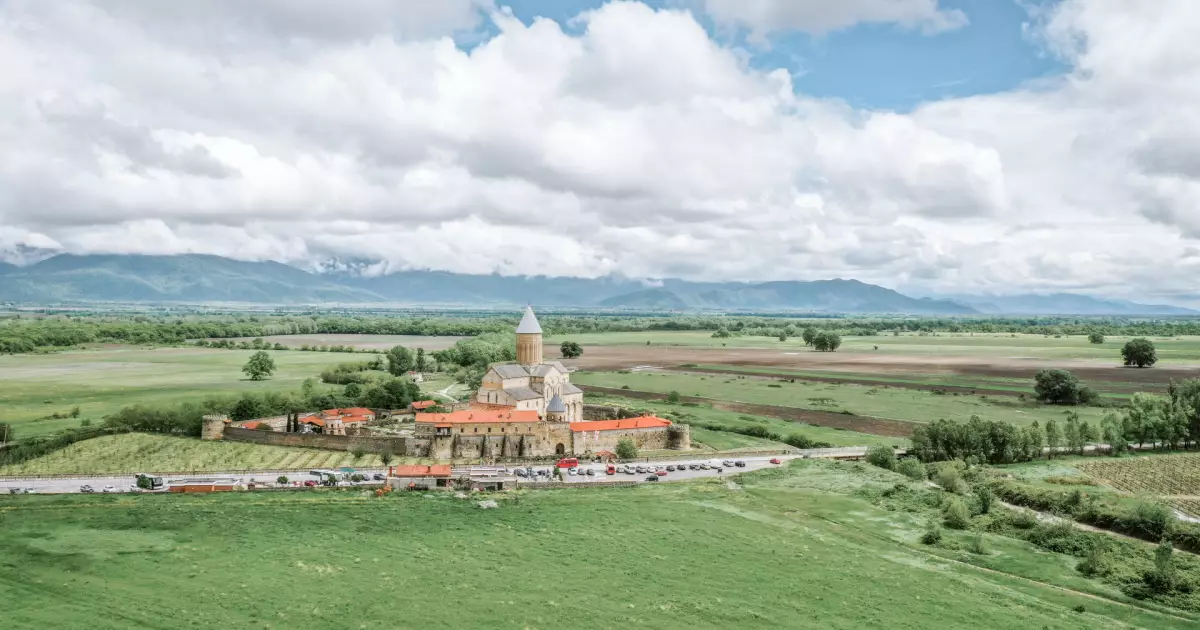
Tusheti is the north-eastern corner of Georgia: a high region of valleys, tower villages and summer pastures on the far side of the Great Caucasus watershed, bordered by Chechnya and Dagestan. It is reached by one road, from the village of Pshaveli near Alvani in Kakheti, over the Abano pass. The pass is at 2,850 metres. The road is gravel and mud, one lane wide for most of its length, cut into the side of a gorge with no barrier between the wheels and several hundred metres of air. It opens when the snow clears in June and closes when it returns in October. In between, it is the only reason anyone sees Tusheti at all.
The road
From Pshaveli the road climbs through beech forest, then above the trees into a landscape of scree and meadow, in a long series of switchbacks with the Stori river far below. About two hours in, at a hot spring beside the road that gives the pass its name — abano means bath — the last vegetation is left behind. The final climb to the pass is the steepest, on a surface that can be dry gravel or running mud depending on the week. At the top there is a shrine, a wind, and a view north into a different country: the valleys of Tusheti descending in green steps, with the ridges of Dagestan beyond.
The descent to Omalo, the main village, is another two hours through the Pirikita and Gometsari valleys, past the first towers. The whole crossing from Kakheti takes four to five hours for seventy kilometres. It is done in 4×4 vehicles by drivers who know every corner, and it is not done at all in rain or after dark.
Why it stays closed
Snow on the pass lies five metres deep by December. The road authority sends machines in late May or June, and the Tush — who winter in the lowland villages of Alvani and Zemo Alvani, with their sheep — go up the moment it opens, to the summer villages and the pastures. In October, with the first snow, they bring the sheep down again, tens of thousands of them, along the same road, over four days. For the eight months between, Tusheti has a few dozen residents, a border post and no road at all.
What waits on the other side
Omalo with its Keselo towers; Dartlo in the Pirikita valley, the most beautiful village in the Caucasus, with towers, a church and a court of judgement where the elders once sat on stone seats; Shenako and Diklo near the Dagestan border; shepherds’ camps, sheepdogs, eagles, and a silence of a kind that has gone from most of Europe. Guesthouses are simple and the food is cheese, bread, khinkali and the mountain beer the Tush brew for their festivals. Nobody who has driven the pass forgets it, and most come back.
See it with GTour
The Abano pass is day one and day four of the Tusheti four-day expedition, in a 4×4 with a driver who has crossed it hundreds of times.
ქართულად: აბანოს უღელტეხილი — გზა თუშეთში და რატომ არის ღია წელიწადში მხოლოდ 100 დღე
