

By Mariam Lomidze, Culture & Events Reporter · 01/11/2026
The honest answer is that Kakheti rewards two separate loops rather than one long day trip squeezed from Tbilisi. The southern loop climbs over the Gombori Pass to the hilltop town of Sighnaghi and the monastery of Bodbe; the northern loop follows the Alazani valley floor through Telavi, Tsinandali, Kvareli, Alaverdi, Gremi and Nekresi. Doing both from a single Tbilisi base in one day is possible only as a rushed highlights run; doing them properly means either two separate day trips or, better, two or three nights based in the region itself.
How you divide your time depends on what you want from the trip: a wine-focused weekend favours two to three cellars a day with a long lunch, a heritage-and-wine trip adds Bodbe, Alaverdi, Gremi and Nekresi to the itinerary, and a harvest trip (Rtveli, roughly mid-September to mid-October) means booking cellars and rooms well ahead because this is when family houses open their courtyards for pressing. Below we set out both loops, how to pace cellar visits, the real difference between a family marani and a château-style estate, when Rtveli actually happens, where to sleep, and the one rule that should decide whether you drive yourself or hire a driver: Georgia’s blood-alcohol limit is close to zero.
Two classic loops through Kakheti
Most visitors base themselves in Tbilisi or Telavi and work one of two loops, both doable as a long day but better as an overnight.
| Loop | Key stops | Drive time from Tbilisi | Best for |
|---|---|---|---|
| Southern loop | Sighnaghi town walls, Bodbe Monastery, one or two family cellars nearby | About 1.5–2 hours each way over Gombori Pass | A single relaxed day, sunset views over the Alazani valley, couples |
| Northern loop | Telavi, Tsinandali Estate, Kvareli, Alaverdi Monastery, Gremi, Nekresi | About 1.5 hours to Telavi, then 1–2 hours more east to Kvareli/Nekresi | History and architecture alongside wine, two days if combined with the southern loop |
GTOUR runs both as ready-made private days: the Kakheti Classic — Sighnaghi, Bodbe and Two Cellars in a Day and Sighnaghi & Bodbe — Wine Country Day Trip cover the southern loop, while Telavi, Alaverdi and Tsinandali — Northern Kakheti in a Day and Eastern Kakheti — Nekresi, Gremi, Kvareli and the Lagodekhi Forest cover the north and east, the latter continuing to the forested border at Lagodekhi. For travellers who want both loops without rushing, Kakheti Wine in 2 Days — Family Cellars and the Great Estates and the longer Kakheti Grand Wine & Heritage — 3 Days split the driving across two or three unhurried days with a night in the region.
How many cellars a day
Two to three tastings is the practical ceiling for a day that also includes a monastery, lunch and driving. A proper Kakhetian tasting is not a five-minute pour; it usually runs 45 minutes to an hour once you add a cellar tour, qvevri explanation and a few wines, and family houses often insist on a plate of food alongside the glass. Scheduling four or more cellars in a day tends to mean rushed visits, palate fatigue by the third pour, and less time at Bodbe or Gremi, which are worth as much attention as the wine itself. If the goal is depth rather than breadth, one château-style estate in the morning and one family cellar in the afternoon, with a long lunch between, is the pattern GTOUR’s guides use on the Kakheti Estates Day — Tsinandali, Shumi and a Private Tasting Lunch and the Kakheti Farm-to-Table Day — Bread, Cheese, Mtsvadi and a Cellar.
Family cellars versus châteaux
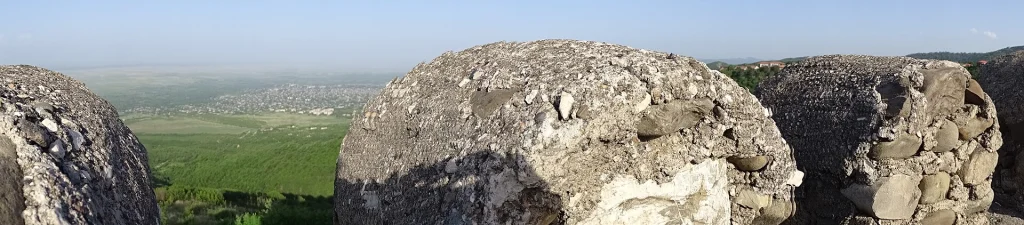
Kakheti’s wine scene splits broadly into two models, and a good trip usually mixes both.
| Family marani (home cellar) | Château / estate | |
|---|---|---|
| Setting | A house courtyard, often with a qvevri buried under the floor or yard | A purpose-built winery with a shop, restaurant and sometimes a museum |
| Wine style | Traditional qvevri amber and red wines, small volumes, vintage variation | Both qvevri and European-style wines, larger and more consistent production |
| Booking | Usually needs advance notice; some only speak Georgian or Russian | Walk-ins often possible; English-speaking staff and fixed tasting menus |
| Price | Lower, often including food, paid in cash lari | Set tasting fees, card payment usually accepted |
The UNESCO-listed ancient Georgian qvevri wine-making method survives mainly in these family cellars, where the clay vessel, the skins-and-stems fermentation and the marani building itself are unchanged from earlier generations. For a deeper, hands-on version of this, GTOUR’s Qvevri Masterclass — a Day with a Winemaker and a Qvevri Maker and the Chacha and Qvevri — a Distillery and Cellar Day in Kakheti pair a family winemaker with a qvevri craftsman rather than a tasting counter. The Georgian Wine Grand Tour — 8 Days, Five Regions is the option for visitors who want Kakheti alongside Kartli, Imereti, Racha and Adjara in one trip.
Rtveli: timing your trip to the harvest
Rtveli, the grape harvest, generally runs from mid-September into October, shifting a week or two either way with the season; family cellars press by hand, courtyards fill with crates of grapes, and many houses invite visitors to help with the picking and the first pressing before a long supra. This is Kakheti at its most atmospheric but also its most booked: rooms in Sighnaghi and Telavi sell out, roads can be busy with tractors and trailers, and some family cellars reduce or stop tastings on their heaviest pressing days because every hand is needed in the yard. Confirm actual harvest dates each year with the National Wine Agency of Georgia, which tracks sugar levels and gives an informal start signal region by region. GTOUR’s harvest-season departures include Rtveli — the Harvest Week in Kakheti, 5 Days, the shorter Rtveli — Wine Harvest in Kakheti (3 Days, September–October), and Kakheti in Autumn — Harvest Photography, 2 Days for travellers who want the colour and the vine rows without the manual labour. Outside harvest, Winter Kakheti — Cellars by the Fire, 2 Days shows the quieter, slower side of the same villages.
Bodbe, Alaverdi, Gremi and Nekresi
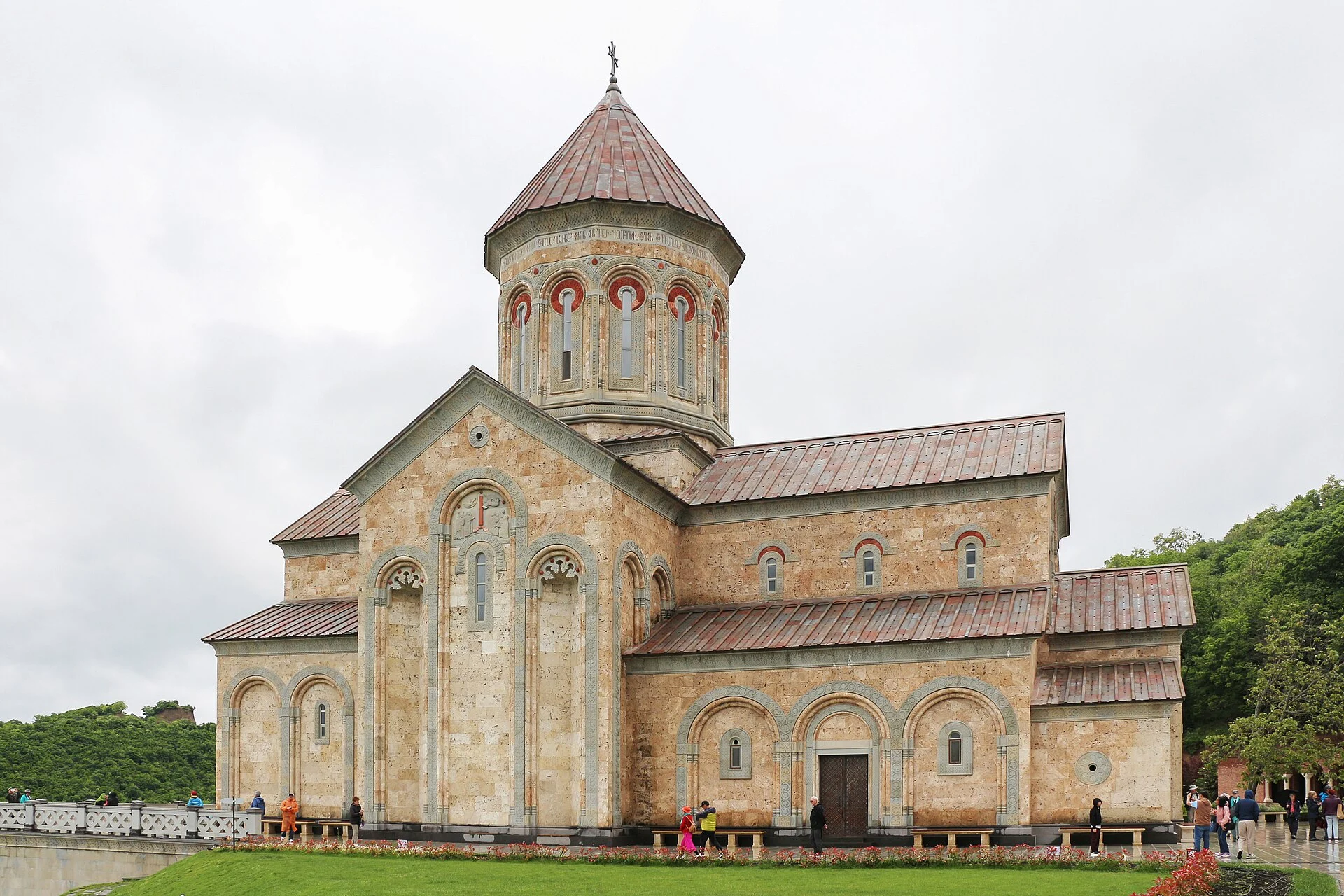
- Bodbe Monastery, just outside Sighnaghi, holds the grave of St Nino, credited with bringing Christianity to Georgia in the 4th century; the monastery garden path down to her spring is a short, pleasant walk and a good counterpoint to the wine tastings.
- Alaverdi Monastery, near Telavi, is an active monastic community with its own vineyard and qvevri cellar producing wine for liturgical and commercial use; the 11th-century cathedral is one of the tallest traditional church buildings in Georgia.
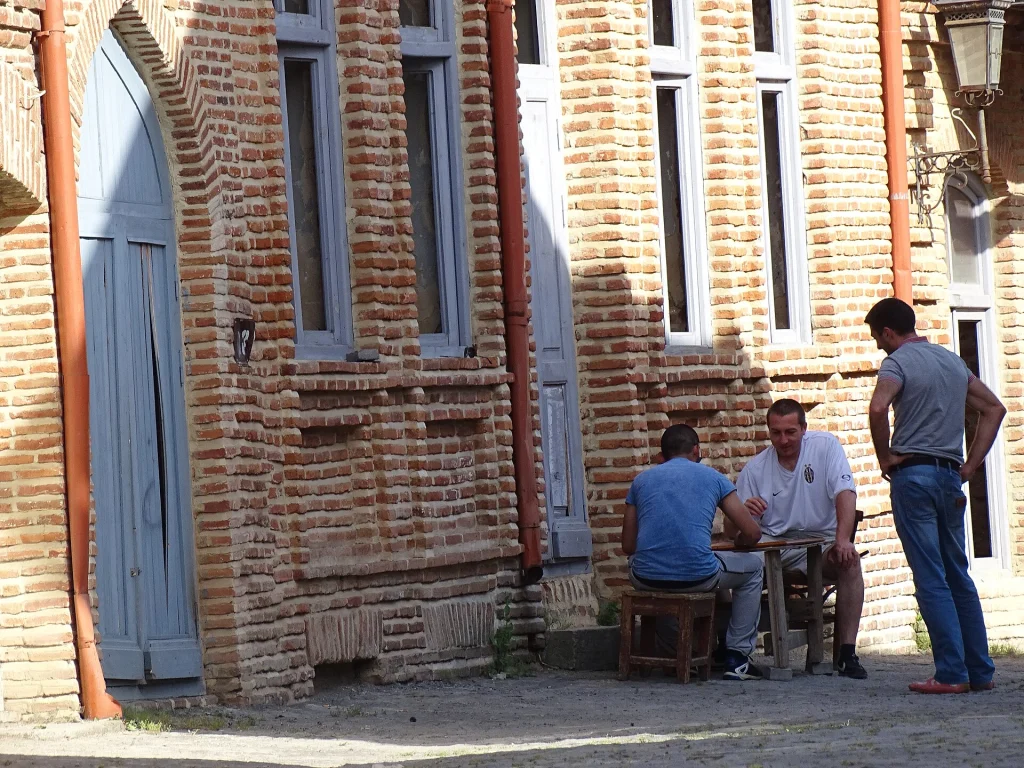
- Gremi was the capital of the Kingdom of Kakheti until the early 17th century; its citadel church and museum sit on a low hill overlooking the valley and the ruins of the old royal town below.
- Nekresi, on a forested hillside above the valley, combines an early Christian basilica with a working monastery; the steep final approach is usually done by a reserve shuttle rather than private car, so check current access with the Agency of Protected Areas before visiting.
Telavi & Kakheti Wine Region — Monasteries and Cellars is built around exactly this combination for travellers who want the religious and royal history alongside the wine, without choosing between them.
Where to sleep: Sighnaghi, Telavi, Kvareli, Tsinandali
- Sighnaghi has the most guesthouses and the best views over the valley; it suits travellers doing the southern loop and anyone who wants cobbled streets and a slower pace in the evening.
- Telavi, the regional capital, is the practical base for the northern loop, with a wider choice of hotels, a market, and shorter drives out to Tsinandali, Alaverdi, Gremi and Nekresi.
- Kvareli is quieter and closer to the châteaux and tunnel cellars at the eastern end of the valley, useful if Nekresi and the Lagodekhi forest are the priority.
- Tsinandali itself has a small number of higher-end stays inside or beside the historic estate, convenient for travellers who want to wake up among the vines rather than drive out to them.
Two nights in one base, or one night each in the south and the north, covers the region comfortably; the Slow Kakheti and Kazbegi in 5 Days and Kakheti Table — 3 Days of Supras, Cellars and Village Kitchens itineraries are built on exactly that pattern.
Driver, self-drive and Georgia’s drink-driving limit
Georgia’s roads in Kakheti are generally good, well signed in Latin script on main routes, and manageable for confident self-drivers outside winter. The one factor that should decide the question for most wine travellers is alcohol: Georgian traffic law sets a very low permitted blood-alcohol level for ordinary drivers and a zero limit for professional, novice and public-service drivers, enforced with roadside breath tests, including on the Kakheti roads during Rtveli. Because tasting even modestly across two or three cellars will put most people over any limit, a private driver is the only way to taste properly and still travel legally; rules and figures can change, so confirm the current thresholds at the Legislative Herald of Georgia (Matsne) before you travel, and check current road conditions on mountain passes like Gombori at the Georgian Road Department.
For a day loop from Tbilisi, GTOUR’s Car with Driver by the Day service covers a sedan for up to ten hours and 250 kilometres in and around Tbilisi, Kakheti, Gori or Kazbegi for €150 per car, or a minivan for €190, with fuel, tolls and parking included; a fixed one-way private transfer to Telavi or Sighnaghi is €110 per car. Travellers who prefer a narrated, guided day rather than just a driver can add a Licensed Private Guide by the Day, or book the Tbilisi to Kakheti Transfer — Telavi or Sighnaghi tour directly. Current fixed prices for transfers and day cars are kept up to date on the GTOUR price table.
If this guide is part of a trip you are planning, our Georgian Wine Grand Tour — 8 Days, Five Regions and Tbilisi to Kakheti Transfer — Telavi or Sighnaghi cover the places it describes with a private guide and driver; a GTour travel expert adapts the route to your dates.
Practical summary
- Pick a loop: southern (Sighnaghi, Bodbe) or northern (Telavi, Tsinandali, Kvareli, Alaverdi, Gremi, Nekresi); combine both over two or more days rather than one rushed day.
- Cap tastings at two to three cellars a day, mixing one family marani with one larger estate.
- For Rtveli, target mid-September to mid-October, confirm exact dates with the National Wine Agency, and book rooms and cellars in advance.
- Set aside proper time for Bodbe, Alaverdi, Gremi and Nekresi, not just the vineyards between them.
- Base yourself in Sighnaghi for the south, Telavi or Kvareli for the north, or split a night between both.
- Hire a driver rather than self-drive once tasting is involved; Georgia’s drink-driving limit is close to zero and enforced on these roads.
- Verify current legal limits and road conditions before you travel at Matsne and the Georgian Road Department.
Sources
- Ancient Georgian Qvevri Wine-making Method
- National Wine Agency of Georgia
- Agency of Protected Areas (Nekresi access)
- Legislative Herald of Georgia (Matsne)
- Georgian Road Department, road conditions
Questions this guide does not answer? Write to info@castle.ge or WhatsApp +995 577 41 63 14 — a person in Tbilisi replies. See also our travel services and all guides.
The Church of Bodbe Monastery near Sighnaghi, a key stop on the Kakheti wine trip route. · Photo: Bernard Gagnon / Wikimedia Commons, CC BY 4.0
Been to Georgia? Tell us how it went — the best stories are published here.
Share your tripOne email a week: what changed for travellers in Georgia — rules, roads, flights, seasons — plus one place worth the trip. Written by the GTour desk, no advertising, unsubscribe in one click.
This story across our partner network — ქართულად: შენი დასვენება
