

By Prof. Giorgi Pkhakadze, MD, MPH, PhD · 15/09/2026
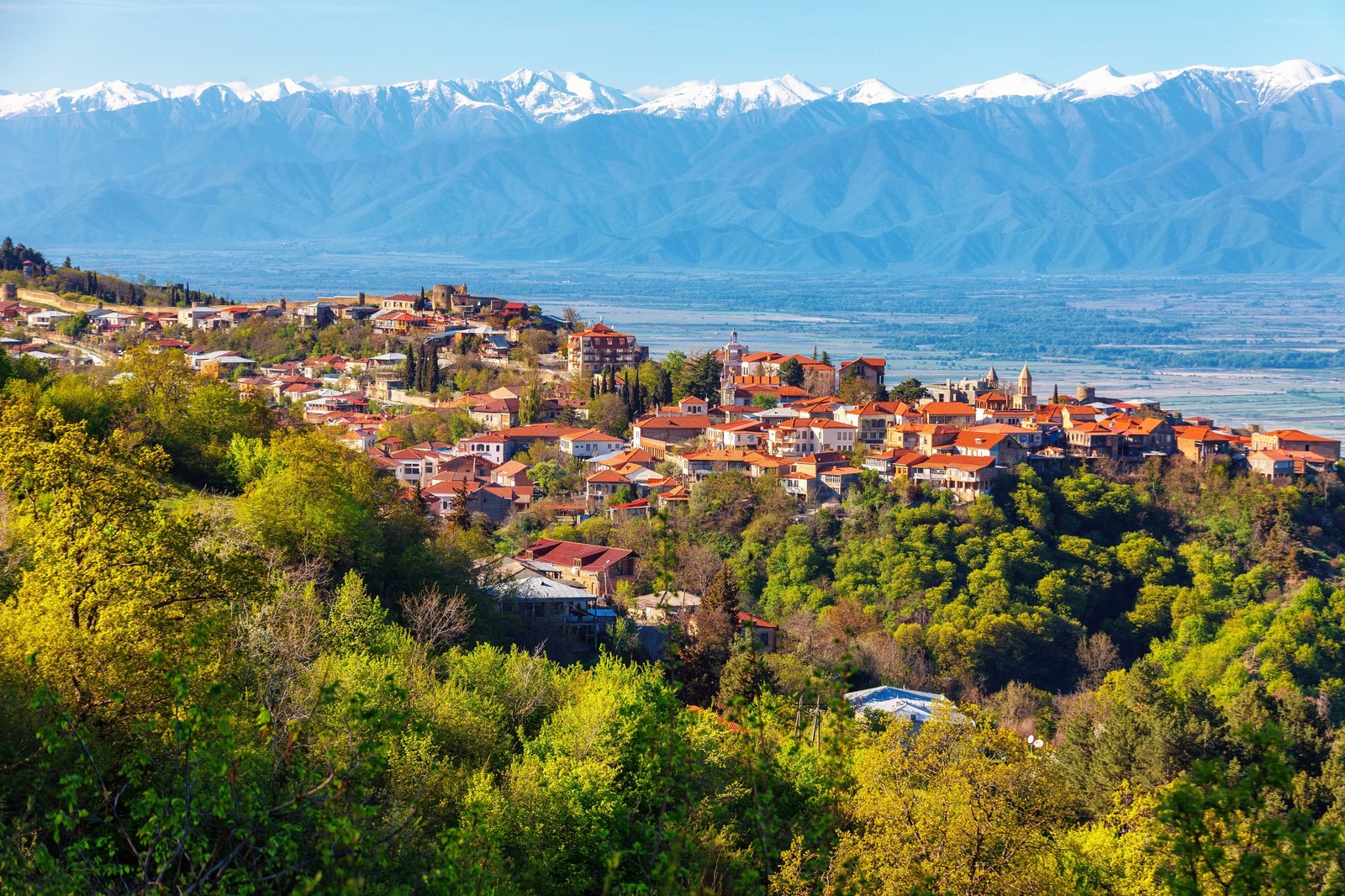
Rtveli is the Georgian word for the grape harvest, and it is less an agricultural task than a season of the heart. From the third week of September to the third week of October, depending on the sun, every family in Kakheti with vines — which is nearly every family — drops what it is doing and goes to the vineyard. Relatives come from Tbilisi. Neighbours who fell out in spring speak again. Nobody is exactly in charge.
Morning: picking
You start early, before the heat, with a bucket and a pair of secateurs, working down the rows. Rkatsiteli comes off pale gold, Saperavi almost black, the bunches heavier than you expect. Children carry; grandmothers sort; someone’s uncle drives the tractor, or the horse. There is a rhythm to it that your body learns in twenty minutes, and a silence in the vineyard that surprises people who expected singing. The singing comes later.
Midday: crushing
The grapes go to the marani — the cellar — and into the satsnakheli, a long wooden trough, traditionally carved from a single tree. Someone climbs in barefoot. The juice runs down a channel into the open qvevri, buried in the floor, and the skins, stems and pips go in after it. That is the whole recipe. The lid goes on loosely; within a day the qvevri is murmuring, and for the next two weeks someone must punch the cap down several times a day so it doesn’t dry out. This is the part of Georgian winemaking that tourists photograph and Georgians regard as slightly tedious.
Afternoon: what else is made
Fresh grape must, badagi, is boiled down with flour into pelamushi, a purple pudding eaten warm, and used to dip strings of walnuts for churchkhela, which then hang from the rafters to dry. The pomace left after pressing is fermented and distilled in November into chacha. Nothing is wasted; the harvest feeds the house until spring.
Evening: the supra
At the end of the day the table is set outside, under the vine trellis, and this is where the singing starts. Last year’s wine from the qvevri opened for the occasion, roast pork or lamb, khachapuri, tomatoes and cucumbers from the garden, and a tamada — the toastmaster — who sets the order of the toasts: to God, to the dead, to the family, to the guests, to Georgia, to the harvest. The toasts are long and the glasses are drained at each one. A guest who has picked grapes that morning is toasted with particular warmth, and is allowed to toast back. That toast is remembered.
Practical
Dates depend on the sugar in the grapes; families usually know a week ahead. Wear clothes that can be stained purple. Sun hat, closed shoes. Eat breakfast — lunch arrives late. If you want to sleep, you sleep at the winery.
See it with GTour
The Rtveli harvest tour — three days, two nights, two family vineyards and two supras — runs from late September to mid-October. Outside those weeks, the Grand Wine & Heritage tour visits the same cellars in a calmer season.
ქართულად: რთველი — რა ხდება სინამდვილეში ქართულ მოსავალზე
