By Safari News — Africa Calling Safaris, Partner desk, Nairobi · 05/11/2026
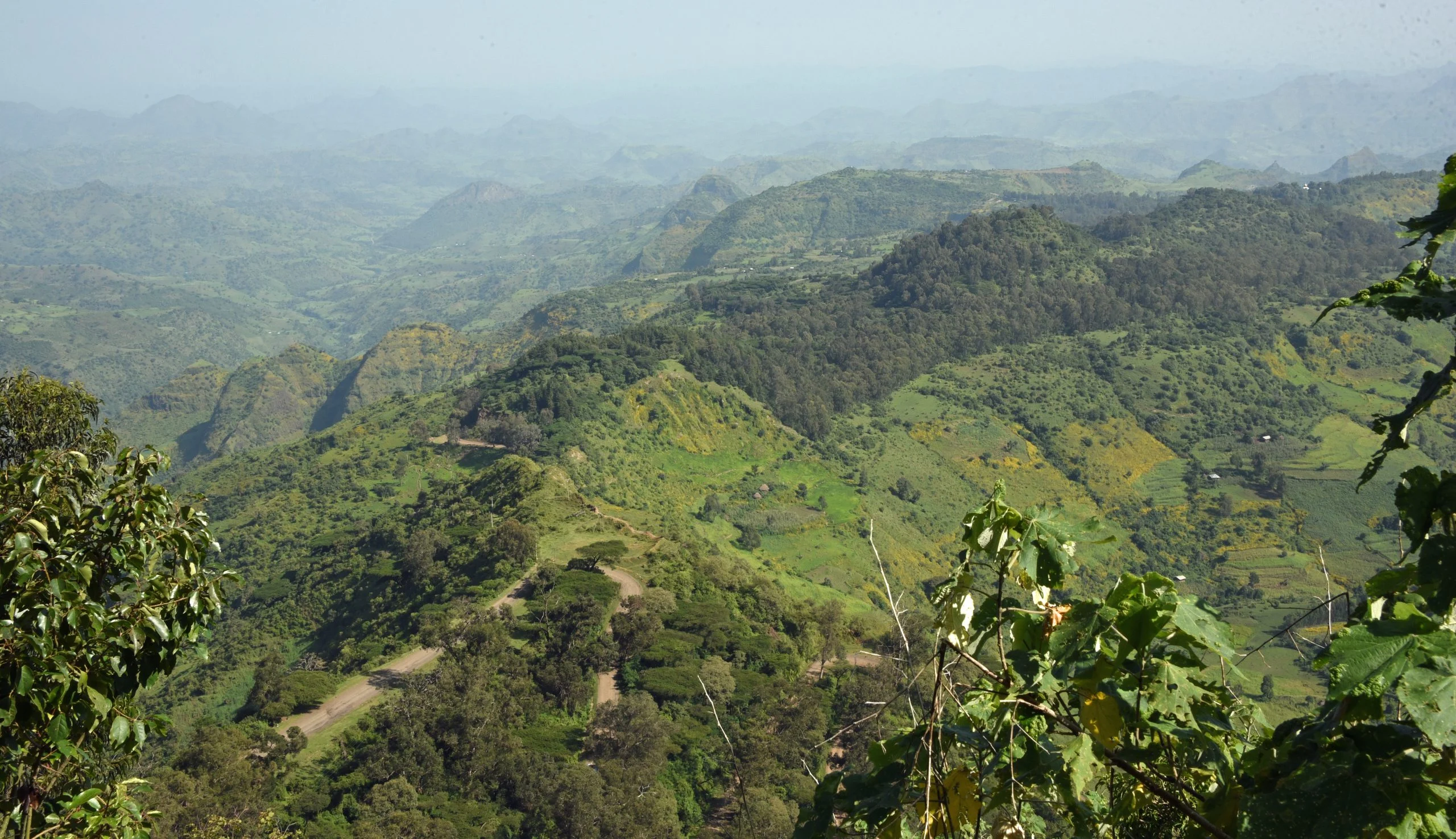
The East African Rift gives Kenya and Ethiopia some of the continent’s most dramatic elevation changes, and safari-goers often underestimate how quickly they rise. A flight from Nairobi, at 1,700 metres, to Addis Ababa, at 2,355 metres, followed by a road trip into the Bale Mountains above 3,000 metres, can mean a gain of over 3,000 metres within 24 hours — well beyond what most bodies can safely absorb. For travellers connecting from Europe or the Caucasus, where overnight stops at moderate elevation are rare on standard itineraries, building in an acclimatisation day before any highland leg is worth the schedule adjustment.
Acute Mountain Sickness usually sets in 6 to 12 hours after arrival above 2,500 metres, with headache, fatigue, nausea and poor sleep as the main warning signs, assessed clinically through the Lake Louise Score. A survey of Africa Calling Safaris clients between 2019 and 2024 found that 41% travelling to Ethiopia or the Mount Kenya region reported at least one such symptom, yet fewer than 15% had received pre-departure advice on altitude prevention from a travel clinic.
Gradual ascent remains the strongest safeguard, alongside prophylactic acetazolamide (125–250 mg twice daily, started 24 hours before climbing), a prescription drug unsuitable for those with sulfa allergies. Far more serious are High-Altitude Pulmonary and Cerebral Oedema, which can prove fatal within hours; confusion, breathlessness at rest, pink sputum or blue lips demand immediate descent of 500–1,000 metres, with oxygen, dexamethasone or nifedipine used only to buy time.
Specialists stress that fitness offers no protection, and that itineraries into Rwanda, Uganda or Ethiopia’s highlands warrant a dedicated travel-medicine consultation weeks in advance.
Based on reporting by Safari News, the travel desk of Africa Calling Safaris (Nairobi), GTour’s partner for East Africa. Read the original there.
Been to Georgia? Tell us how it went — the best stories are published here.
Share your tripOne email a week: what changed for travellers in Georgia — rules, roads, flights, seasons — plus one place worth the trip. Written by the GTour desk, no advertising, unsubscribe in one click.
This story across our partner network — Original reporting: Safari News (Nairobi)
Planning a trip to Georgia?
GTour runs private tours with English-speaking guides from Old Tbilisi. See all tours or ask the desk on WhatsApp +995 577 416 314.
Source: Safari News — Africa Calling Safaris. Reported by the GTour desk; updated 5 November 2026, 02:42 (Tbilisi).