

By Nino Gelashvili, Travel News Editor · 28/10/2026
Georgian is written in one alphabet today, called Mkhedruli, which has 33 letters, no capital or lowercase forms, and no silent letters: every character is pronounced the way it looks. UNESCO recognised Georgia’s writing tradition in 2016, inscribing “the living culture of three Georgian alphabets” (Asomtavruli, Nuskhuri and Mkhedruli) on its Representative List of the Intangible Cultural Heritage of Humanity.
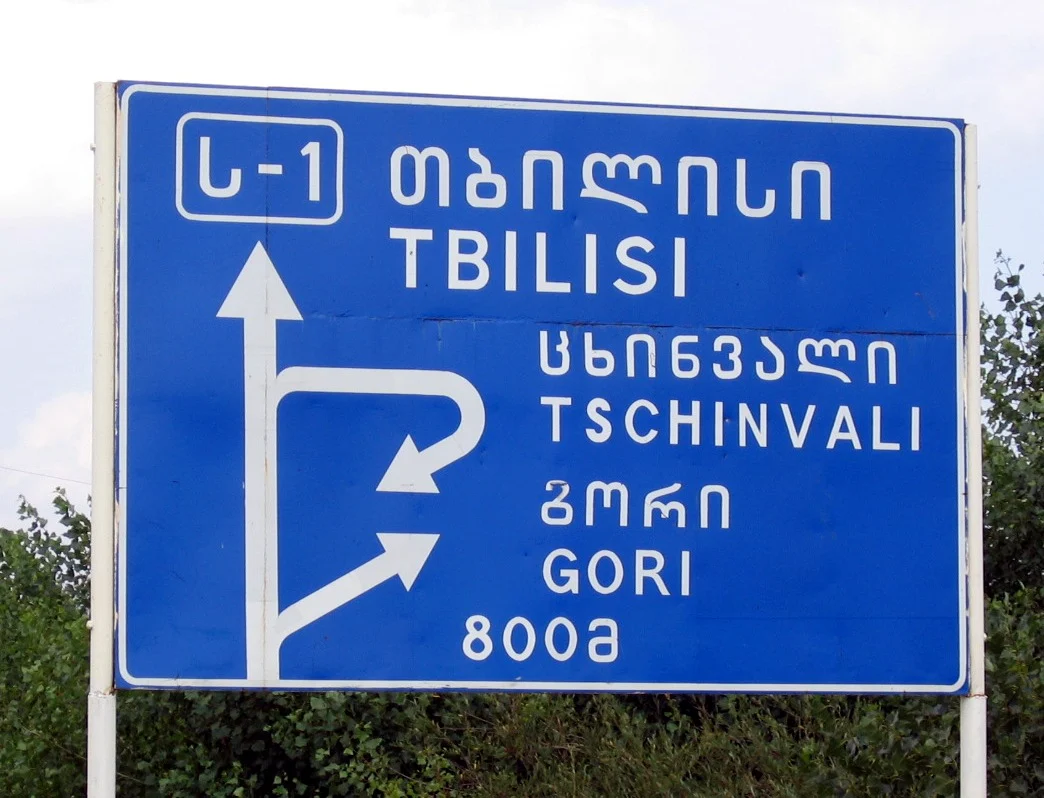
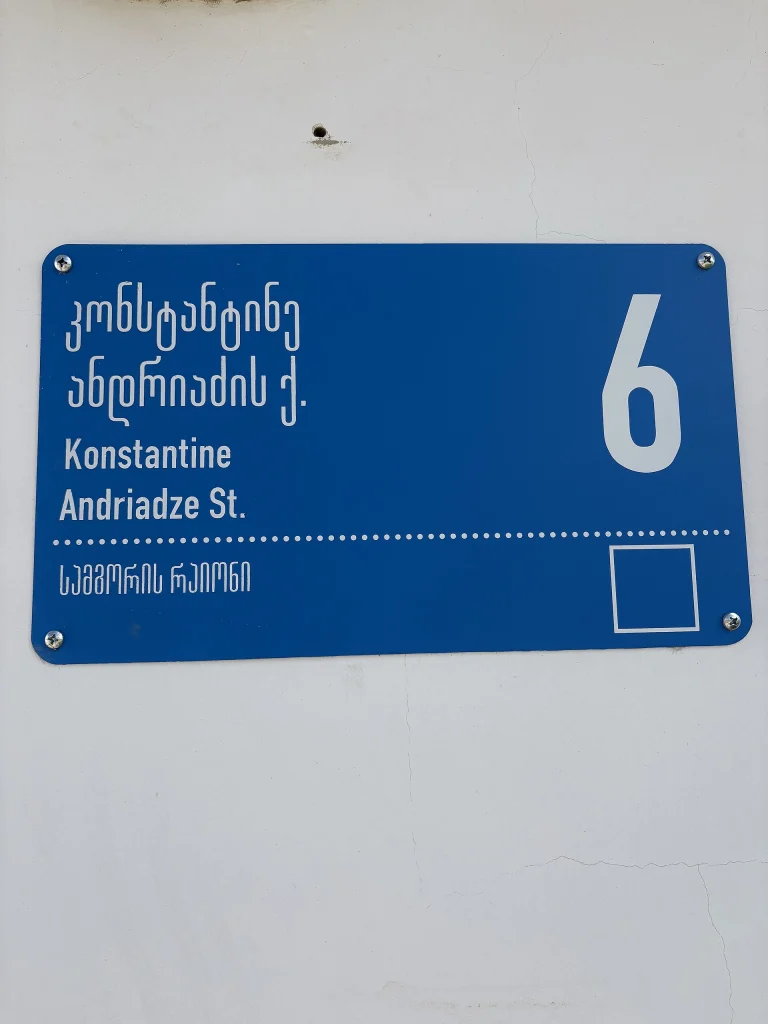
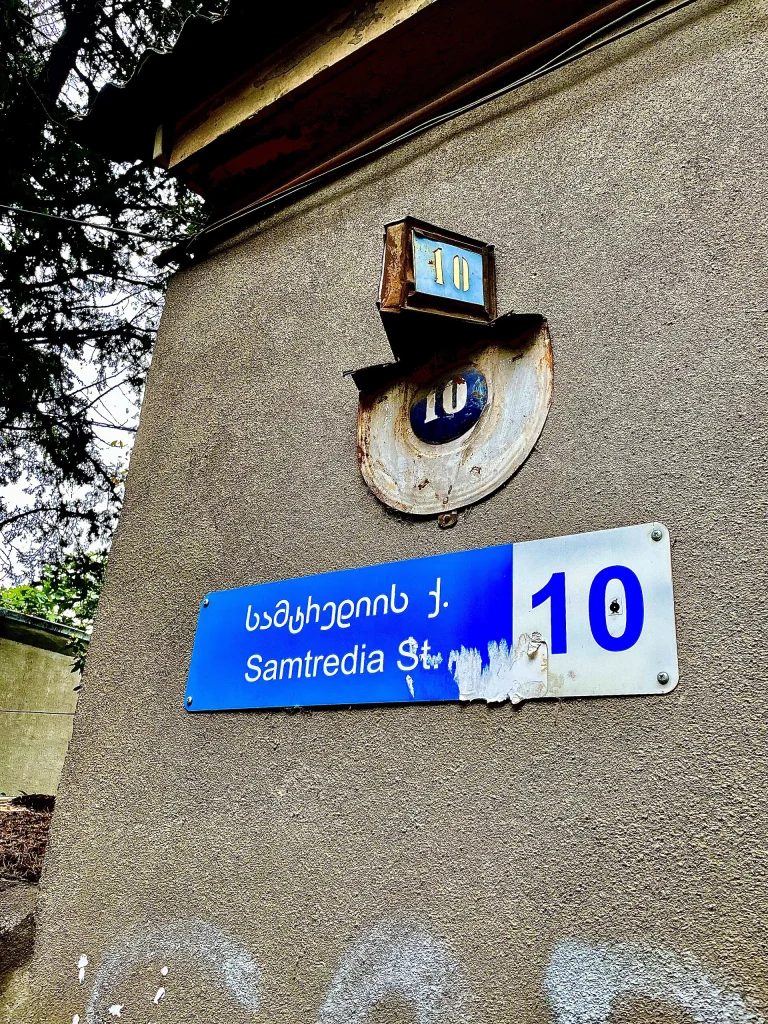
The nuance for a visitor is that Mkhedruli is the only one you need to read a street sign or a menu. The other two scripts survive mainly in church manuscripts and decorative carving. Most road signs, metro stops and menus in tourist areas carry a Latin transliteration underneath the Georgian, but transliteration is inconsistent between signs, maps and apps, so learning ten letter-shapes is more useful than memorising spellings.
Mkhedruli in brief
Mkhedruli (literally “cavalry” or “secular” script) developed from the older ecclesiastical alphabets over several centuries and became Georgia’s standard civil script. It has 5 vowels and 28 consonants, runs left to right, and each letter keeps one sound in one shape, so once you know the letters you can sound out any word even without understanding it.
UNESCO and the three alphabets
The inscription covers knowledge of writing and reading all three historical Georgian alphabets as a living practice, not a single museum object. It recognises calligraphers, teachers and manuscript conservators who keep Asomtavruli and Nuskhuri legible alongside everyday Mkhedruli, and it is the reason you will sometimes see all three forms carved together on church facades or museum labels.
Ten characters that unlock signs and menus
These are the letters that most often trip up visitors, because they have no exact English equivalent or because two similar-looking Latin spellings (t/t’, k/k’, p/p’) hide a real difference in Georgian.
| Letter | Approximate sound | Where you will see it |
|---|---|---|
| ღ | soft “gh”, like a French r | ღვინო (ghvino) — wine, on nearly every menu |
| ყ | hard “q” from the throat | ყვარელი — Kvareli, a Kakheti wine town |
| ჭ | sharp “ch”, clipped | ხაჭაპური — khachapuri |
| წ | sharp “ts”, clipped | წყალი (tsqali) — water; წინანდალი — Tsinandali |
| ძ | soft “dz” | ვარძია — Vardzia, the cave monastery |
| ხ | guttural “kh”, like loch | ხევსურეთი — Khevsureti |
| შ | “sh” | შატილი — Shatili |
| ჟ | “zh”, like the s in pleasure | ჟინვალი — Zhinvali reservoir |
| თ | soft, breathy “t” | თელავი — Telavi |
| ტ | hard, clipped “t” | ტაძარი (tadzari) — temple or cathedral |
The last pair matters for a practical reason: Georgian distinguishes an aspirated consonant from an unaspirated or ejective one, and both can appear as “t” or “k” in casual Latin spelling. It is why you will see Tbilisi spelled Tbilisi, Tiflis and occasionally Tpilisi on older maps and in historical English texts, all pointing to the same city.
Reading place names out loud
Georgian has no fixed written stress mark, and spoken stress is generally light and falls early in the word, so there is no strict rule to memorise for tourists. Three habits help more than any rule:
- Read every letter. There are no silent vowels or consonant clusters that collapse, so “Mtskheta” really is said with all four consonants running together at the start.
- Expect consonant clusters. Georgian allows strings such as “gvprtskvni” in theory, and real place names like Mtskheta or Mtirala are genuine, not typos.
- Double letters are usually two separate sounds, not one long one, as in Zugdidi or Lagodekhi.
If you want practice before arriving, walking the old core with a local on our Old Tbilisi Walking Tour is an easy way to match shop signs to sounds within the first hour.
Menus and signs in daily use
A handful of Mkhedruli words recur on almost every menu and signpost: ღვინო (ghvino, wine), პური (puri, bread), ხინკალი (khinkali, dumplings), ხაჭაპური (khachapuri, cheese bread), სუფრა (supra, feast table), and გზა (gza, road), useful on highway signs. Shop signs reading მაღაზია (maghazia) simply mean “shop,” and რესტორანი (restorani) is a direct transliteration of “restaurant.”
Where this comes from
The UNESCO inscription of the living culture of the three Georgian alphabets, its 2016 listing date and scope, are confirmed on UNESCO’s own Intangible Cultural Heritage pages. Letter values and script history follow standard linguistic reference sources. Figures were checked on 28 October 2026; for current transliteration standards used on new road signage, check georoad.gov.ge directly, since signage style can be updated by the roads authority.
If this guide is part of a trip you are planning, our Tbilisi to Borjomi or Bakuriani Transfer and Mtskheta on Foot — the Ancient Capital in 2 Hours cover the places it describes with a private guide and driver; a GTour travel expert adapts the route to your dates.
Sources
- UNESCO Intangible Cultural Heritage, living culture of three Georgian alphabets
- UNESCO Representative List overview
- Georgian National Tourism Administration, visitor information
- Georgia Travel, country portal
- Georgian Roads Department, road signage information
Questions this guide does not answer? Write to info@castle.ge or WhatsApp +995 577 41 63 14 — a person in Tbilisi replies. See also our travel services and all guides.
A road sign near Tbilisi shows place names in both Georgian Mkhedruli script and Latin transliteration. · Photo: Henri Bergius from Finland / Wikimedia Commons, CC BY-SA 2.0
Been to Georgia? Tell us how it went — the best stories are published here.
Share your tripOne email a week: what changed for travellers in Georgia — rules, roads, flights, seasons — plus one place worth the trip. Written by the GTour desk, no advertising, unsubscribe in one click.
This story across our partner network — ქართულად: შენი დასვენება