

By Mariam Lomidze, Culture & Events Reporter · 27/10/2026
Nigerian citizens need a visa to enter Georgia, and in nearly every case that means applying in advance through the e-visa portal at evisa.gov.ge rather than arriving and expecting a visa on arrival. There is no visa-free regime for Nigerian ordinary passport holders, and the rules on required documents, insurance proof and processing times are set and changed by the Ministry of Foreign Affairs, so treat anything written here, including this article, as a starting point and always check the current position on mfa.gov.ge before booking flights.
In practical terms, a trip from Lagos or Abuja to Tbilisi means one stop, usually through Istanbul, Dubai or Doha; payment is almost entirely by card with the Georgian lari (GEL) as the only legal currency; English is spoken in tourism, hospitality and by younger Georgians in cities, though not universally in villages; and Georgia’s food culture, built on grilled meats, bean stews, bread and shared platters, has more overlap with Nigerian tastes than most first-time visitors expect. Ties between the two countries are thin and largely undocumented in either country’s public record, so this guide is honest about that and concentrates on what actually matters for planning: documents, money, connectivity and comfort.
Visa and entry rules for Nigerian citizens
Georgia operates a layered entry system: citizens of some countries enter visa-free, others need a visa obtainable online, and others must apply at a Georgian embassy or consulate. Nigeria is not on the visa-free list, and the standard route for Nigerian travellers is the electronic visa processed through evisa.gov.ge. The portal lets you upload a passport scan, a passport photo, travel itinerary, proof of accommodation, and usually proof of sufficient funds and valid travel medical insurance for the stay; processing is typically quoted in a matter of business days rather than weeks, but build in a margin before your flight date, since individual cases can be referred for extra checks. Because visa categories, fees and documentary requirements are revised from time to time, confirm the current list of requirements and the right visa category for your purpose (tourism, business, family visit) on evisa.gov.ge and the consular section of mfa.gov.ge before you apply, and allow extra time if you are told to apply at an embassy instead.
Flights from Nigeria: hubs and routes
There are no direct flights between Nigeria and Georgia. Nigerian travellers reach Tbilisi, Batumi or Kutaisi with one stop at a major connecting hub, chosen by the airlines that already fly from Lagos or Abuja. The three that reliably apply are Istanbul, Dubai and Doha; Warsaw and Munich routings exist on some itineraries built around European carriers but are less commonly the shortest or cheapest option from Nigeria, so check live fares and interline connections at booking time rather than assuming a fixed route.
| Connecting hub | Typical carriers from Nigeria | Onward leg to Georgia |
|---|---|---|
| Istanbul | Turkish Airlines from Lagos and Abuja | Istanbul to Tbilisi, Batumi or Kutaisi, several times daily |
| Dubai | Emirates and flydubai from Lagos and Abuja | Dubai to Tbilisi, daily or near-daily |
| Doha | Qatar Airways from Lagos and Abuja | Doha to Tbilisi, daily |
Always confirm current schedules and whether the fare includes a transit visa requirement at the hub airport; verify arrival details and terminal information on tbilisiairport.com, kutaisiairport.com or batumiairport.com depending on your destination city.
Money, cards, SIM cards and getting around
Georgia’s currency is the lari (GEL); on 27 October 2026 one euro bought roughly 2.91 lari and one US dollar roughly 2.60 lari, figures that move daily, so check the rate close to your travel date rather than relying on a fixed number. Nigerian naira is not exchangeable in Georgia, so carry US dollars or euros in cash as a backup and rely primarily on a Visa or Mastercard debit or credit card, which are accepted at hotels, restaurants and most shops in Tbilisi, Batumi and Kutaisi, with cash preferred in villages, small guesthouses and local markets. Prepaid local SIM cards are sold at the airport and in city kiosks on arrival with a passport, and an eSIM bought before departure is a reasonable alternative if your phone supports it; either way, data coverage is reliable in cities and along the main tourist routes, and patchier in high mountain areas such as Svaneti or Tusheti.
A Nigerian driving licence is not automatically valid for driving in Georgia on its own in every case; the safer and widely recommended approach is to travel with an International Driving Permit alongside your Nigerian licence, since Georgian traffic police and rental agencies look for both. Given mountain roads, left-hand-drive norms on the right side, and variable signage, many Nigerian visitors prefer a private car with an English-speaking driver rather than self-driving; GTour’s car-with-driver service starts at €90 a day for a sedan around Tbilisi and Kakheti, rising to €150 to €165 a day for a 4×4 on multi-day routes into Svaneti or Tusheti, details at gtour.ge/services.
Language and communication
Georgian is the official language and uses its own script, not Latin, which can be disorienting on road signs and menus outside the capital. In Tbilisi, Batumi and Kutaisi, and at any hotel, restaurant or tour operator used to international visitors, English is commonly understood by staff, and most menus, museum signage and transport apps offer an English option. Outside the main tourist circuit, particularly in rural Kakheti, Racha, Tusheti or mountain villages, English drops off sharply and Russian is often the practical second language among older residents, a legacy of the Soviet period rather than any current political alignment. Nigerian travellers who speak Pidgin or regional Nigerian languages at home should not expect any crossover; a translation app and a printed hotel address in Georgian script are genuinely useful outside the capital.
Food: halal, vegetarian and familiar tastes
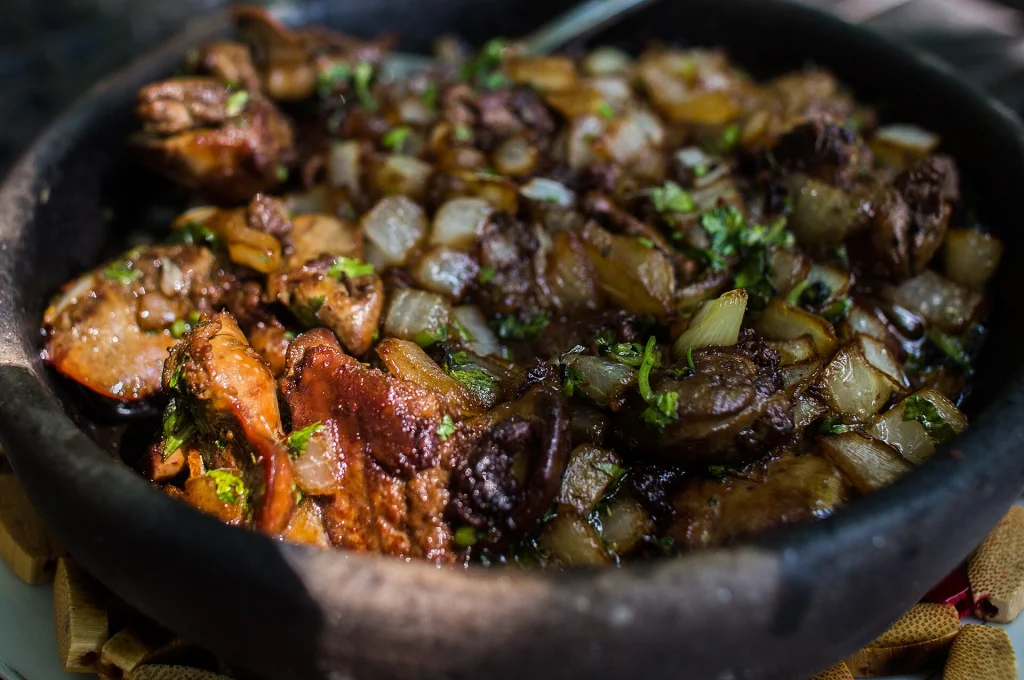
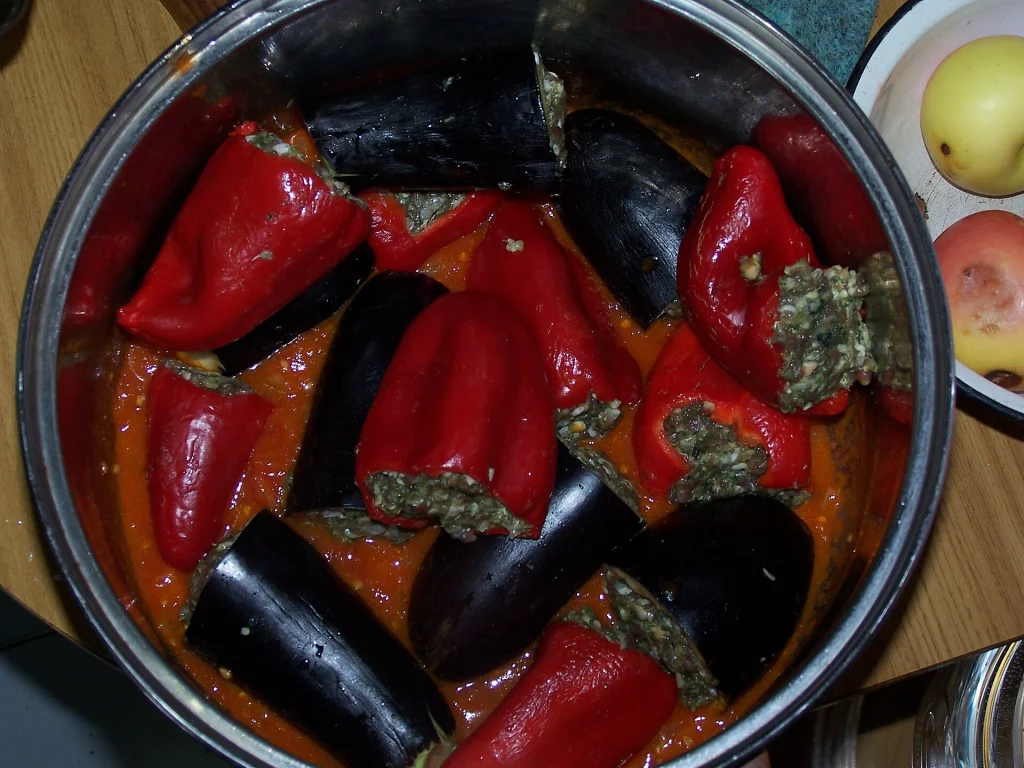
Georgian cuisine centres on grilled and stewed meats, walnut and bean-based dishes, fresh herbs, bread baked in clay ovens, and communal eating around a long table known as a supra. Vegetarian and pescatarian travellers eat comfortably here: lobio (bean stew), pkhali (vegetable and walnut pâté), khachapuri (cheese bread) and a wide range of salads and grilled vegetables are widely available, and most urban restaurants clearly mark vegetarian options. Strict halal certification is uncommon outside a small number of dedicated restaurants in Tbilisi and Batumi, so travellers who require certified halal meat should ask directly at the restaurant, lean on the vegetarian and seafood side of the menu, or confirm options with your guide in advance; pork appears in many traditional dishes and is not always obvious on a menu, so it is worth asking plainly rather than assuming. Nigerian visitors often find Georgian stews, grilled meats and bean dishes closer in spirit to home cooking than they expected, even where the specific spices differ.
Ties between Georgia and Nigeria, embassy coverage and diaspora
Direct historical, trade and diplomatic ties between Georgia and Nigeria are thin, and there is little public documentation of a settled Nigerian community in Georgia or vice versa; this guide will not overstate a connection that the record does not support. Neither country maintains a resident embassy in the other as a matter of public record, which means consular matters are typically handled through accredited missions in third countries, a pattern that can change, so Nigerian travellers should confirm which Georgian mission or honorary consul currently covers Nigeria, and which Nigerian mission covers Georgia, directly through mfa.gov.ge before relying on any specific office or phone number found elsewhere. Students and short-term visitors are the most commonly reported category of Nigerian travellers to Georgia, often connected to medical or other university programmes in Tbilisi and Kutaisi, rather than tourism or trade in any large volume; if that changes, the right place to check for updated figures is geostat.ge for trade data and mfa.gov.ge for diplomatic updates.
Health insurance, safety and etiquette
Travel medical insurance valid for the length of your stay is generally required as part of the Georgian visa application, and it remains a sensible condition of travel even where not formally checked at the border, given that visitors pay privately for most medical care. Apply with insurance documentation ready through evisa.gov.ge, and for general public health advice relevant to travellers, including any seasonal notices, check ncgh.ge, the National Center for Disease Control and Public Health, and consult a doctor at home about routine travel vaccinations before you go. Georgia is a generally safe destination with low rates of violent crime against tourists; the more common risks are mountain weather, winding roads and altitude in places like Kazbegi, Svaneti or Tusheti, which is why GTour pairs any high-route itinerary with an experienced driver or certified mountain guide. On etiquette, Georgians are warm and direct hosts; a toast is a serious ritual at a supra and worth taking seriously rather than rushing; modest dress is expected when visiting working churches and monasteries, a detail that matters on itineraries such as Monasteries of Georgia — Mtskheta, the Thirteen Fathers and Kakheti in 3 Days or Christian Georgia — Pilgrimage and Sacred Heritage in 8 Days.
What a G Tour private guide adds
For a first visit from Nigeria, the main friction points are navigating a different script, finding reliably halal or vegetarian food away from the capital, and judging which mountain roads are safe to attempt in winter. A licensed G Tour guide removes all three: menus are translated and vetted in real time, routes are planned around current road and weather conditions (see gtour.ge/road-status), and airport pickup is arranged before you land so there is no uncertainty on arrival. Guiding starts at €70 for a half-day city walk and €110 for a full day with your own transport, rising to €140 for a specialist guide covering wine, history or hiking, and airport transfers from Tbilisi start at €25 for a sedan; full pricing for guides, drivers and transfers is listed at gtour.ge/services. Popular starting itineraries for first-time visitors include Tbilisi & Mtskheta — The Essential First Day and Georgia in 7 Days — The Classic Grand Tour, both built to work comfortably around a single-stop flight from Lagos, Abuja, Istanbul, Dubai or Doha.
If this guide is part of a trip you are planning, our Georgia in 10 Days — Tbilisi to Svaneti to the Sea and Monasteries of Georgia — Mtskheta, the Thirteen Fathers and Kakheti in 3 Days cover the places it describes with a private guide and driver; a GTour travel expert adapts the route to your dates.
Practical summary
- Apply for a Georgian visa in advance through evisa.gov.ge; confirm the current required documents and processing time on evisa.gov.ge and mfa.gov.ge before booking flights.
- Expect one stop via Istanbul, Dubai or Doha; there are no direct Nigeria-Georgia flights.
- Carry a card plus some US dollars or euros in cash; naira is not exchangeable in Georgia.
- Travel with an International Driving Permit alongside your Nigerian licence, or hire a driver.
- Buy a local SIM on arrival or activate an eSIM before you fly.
- English works in cities and tourism; outside them, expect Georgian or Russian.
- Ask directly about halal certification; vegetarian Georgian food is widely available.
- Arrange travel medical insurance before applying for your visa, and keep proof on hand.
- For mountain routes or first-time trips, book a licensed G Tour guide or driver in advance via gtour.ge/services.
Sources
- Georgia e-visa application portal
- Ministry of Foreign Affairs consular and visa information
- Georgia national tourism administration
- National statistics office of Georgia
- Ministry of Foreign Affairs of Georgia – Home
- National Statistics Office of Georgia – Tourism Statistics
- Agenda.ge – Tourism News
Questions this guide does not answer? Write to info@castle.ge or WhatsApp +995 577 41 63 14 — a person in Tbilisi replies. See also our travel services and all guides.
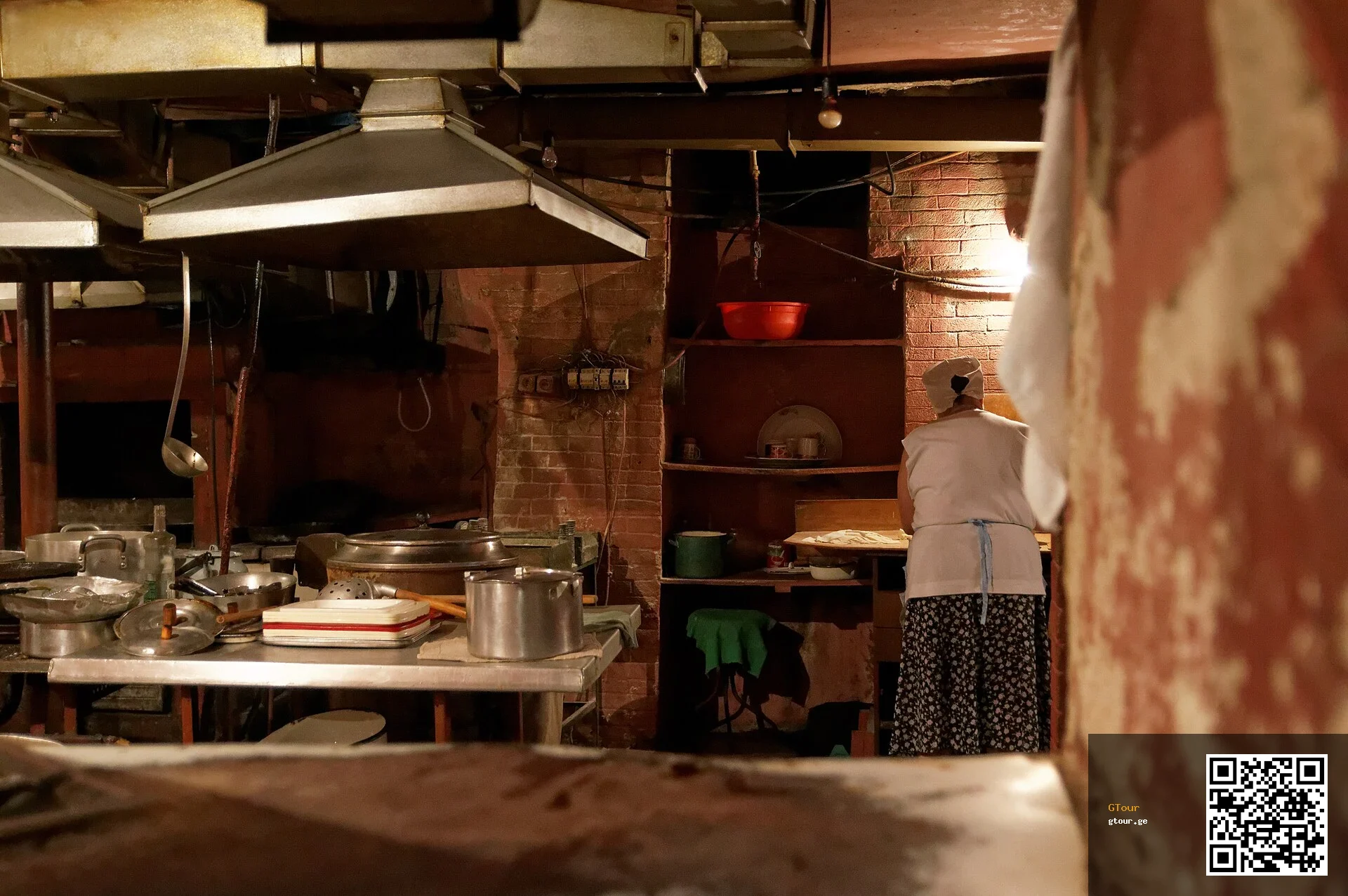
A traditional Georgian kitchen in Tbilisi, showing authentic food preparation travellers may encounter. · Photo: Vyacheslav Argenberg / Wikimedia Commons, CC BY 4.0
Been to Georgia? Tell us how it went — the best stories are published here.
Share your tripOne email a week: what changed for travellers in Georgia — rules, roads, flights, seasons — plus one place worth the trip. Written by the GTour desk, no advertising, unsubscribe in one click.
This story across our partner network — ქართულად: შენი დასვენება