

By David Kiknadze, Transport & Openings Reporter · 05/11/2026
Short answer: Georgia is straightforward for New Zealand passport holders. As of 2026, New Zealand citizens can enter Georgia without a visa for short and medium stays under the country’s long-standing liberal entry policy, though the exact permitted duration and any conditions (such as proof of travel insurance) can change without much notice, so the rule to check before booking flights is the one published on Georgia’s Ministry of Foreign Affairs consular portal, not a blog post from a previous year. There is no New Zealand embassy in Tbilisi, flights always involve at least one stop, and the lari (GEL) is the only currency that matters once you land.
Beyond the paperwork, Georgia and New Zealand have few direct historical or trade links, and we say that plainly rather than inventing connections that do not exist. What does exist is a small but growing flow of New Zealand travellers drawn by the Caucasus mountains, the wine regions of Kakheti, and a food and hospitality culture that rewards slow travel. This guide covers the practical questions a Kiwi traveller actually asks, and where rules are fluid, we tell you how to check them yourself before you fly.
Visa and entry rules for New Zealand citizens
Georgia operates one of the more open entry regimes in the region. New Zealand citizens are typically among the nationalities permitted to enter and remain without a visa for tourism purposes, with the allowed period historically running up to a year, though this figure has been adjusted before and should never be assumed. The authoritative source is the Ministry of Foreign Affairs consular portal (geoconsul.gov.ge), and the general visa overview is published on mfa.gov.ge. If your travel plans fall outside straightforward tourism (long-term study, work, or a stay that might exceed the visa-free allowance), check whether an e-visa or ordinary visa applies through Georgia’s official portal at evisa.gov.ge, where applications are processed online and approvals for straightforward categories are usually issued within a few business days, sometimes faster. Because these rules are set by Georgian immigration law rather than fixed in a treaty with New Zealand, always verify your entitlement in the weeks before departure rather than relying on what a previous traveller reported.
Flights from New Zealand to Georgia
There are no direct flights between New Zealand and Georgia, and none are likely for the foreseeable future given the market size. Realistic routings from Auckland involve one long-haul sector to a Gulf or European hub, then a connection to Tbilisi, Kutaisi, or Batumi. The two hubs that consistently work well for New Zealand departures are Dubai and Doha, both served nonstop from Auckland by Gulf carriers with onward connections to Tbilisi International Airport. Istanbul is a common alternative for travellers connecting via Southeast Asia or building their own itinerary with two stops rather than one, since Turkish Airlines runs a dense Tbilisi schedule. Total journey time from Auckland is realistically 24 to 32 hours including connection time, so most travellers plan at least a short stopover rather than attempting it in one push.
| Hub | Typical use from New Zealand | Notes |
|---|---|---|
| Dubai | One-stop via Gulf carrier | Frequent Tbilisi connections, good for Batumi via Dubai–Tbilisi plus a domestic or ground transfer |
| Doha | One-stop via Gulf carrier | Reliable daily service to Tbilisi, often competitively priced |
| Istanbul | Two-stop alternative | Dense onward schedule to Tbilisi, Kutaisi and Batumi |
On arrival, check which airport suits your itinerary: Tbilisi for the capital and eastern regions, Kutaisi for the west and budget carriers, or Batumi for the Black Sea coast. Current terminal information and flight status are on tbilisiairport.com, kutaisiairport.com, and batumiairport.com.
Driving licence, money and staying connected
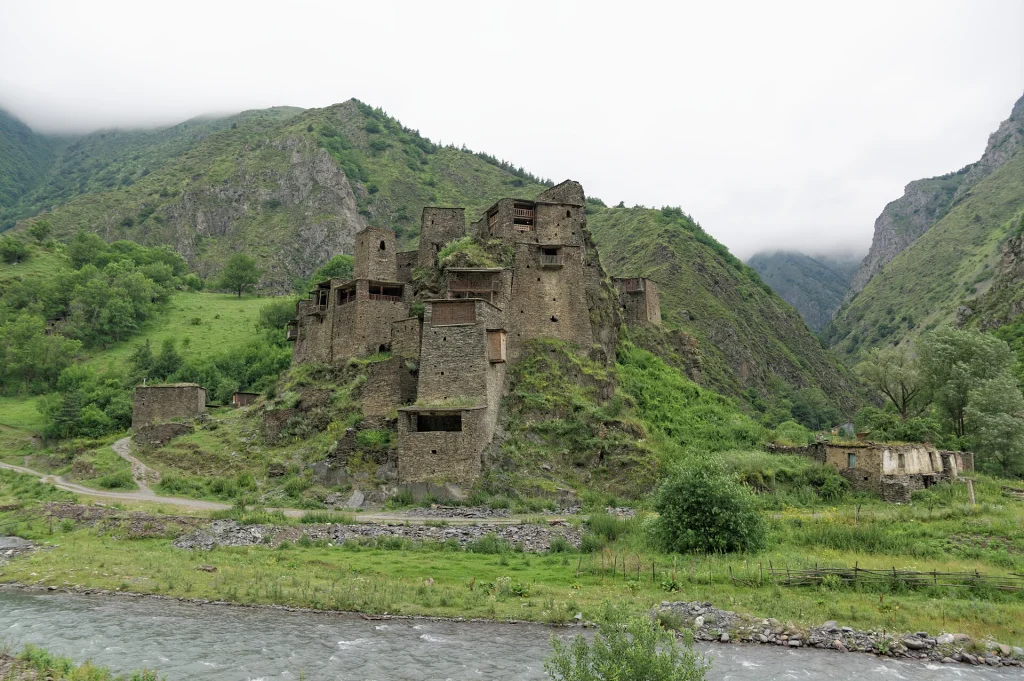
A valid New Zealand driving licence is generally recognised for driving in Georgia during a visa-free stay, and many New Zealand travellers hire cars without an International Driving Permit, though carrying one is sensible and sometimes requested by rental companies or at checkpoints. Georgian traffic law and licence recognition rules sit in the national legal code published on matsne.gov.ge, and road condition updates, including seasonal pass closures that matter for self-drive trips into the mountains, are posted by the road agency at georoad.gov.ge. If you would rather not navigate unfamiliar mountain roads yourself, a Car with Driver by the Day or a fully guided route is often the more relaxed choice, particularly for Svaneti, Tusheti, or winter driving to Gudauri.
The currency is the Georgian lari (GEL). On 5 November 2026 the National Bank of Georgia’s reference rate was roughly GEL 2.92 to the euro and GEL 2.60 to the US dollar; there is no direct New Zealand dollar quote, so convert via USD or EUR using your bank’s rate, and expect a small margin on card transactions. Cards are widely accepted in Tbilisi, Batumi, and Kutaisi hotels, restaurants, and supermarkets, but carry cash for small guesthouses, mountain villages, and market stalls in Tusheti, Khevsureti, or rural Kakheti, where card terminals are unreliable or absent. ATMs are common in cities and tourist towns.
Local SIM cards from Magti, Geocell, or Beeline are inexpensive and sold at both airports and in city centres, usually requiring only a passport for registration. eSIM options from international providers also work well if you prefer to arrive already connected, since Georgia has reasonable 4G coverage along main routes, though signal drops in remote highland valleys such as upper Tusheti.
Language and what New Zealanders can expect
Georgian is the official language, written in its own distinctive script, and Russian is still widely understood by older generations, particularly outside Tbilisi. English proficiency has grown quickly in tourism-facing roles: hotel staff, licensed guides, and restaurant workers in Tbilisi, Batumi, Kutaisi, and the main wine towns of Kakheti generally communicate comfortably in English. Outside these circuits, in mountain villages or small-town markets, English is far less reliable, and a few Georgian pleasantries go a long way. A Licensed Private Guide by the Day removes the language barrier entirely for day trips or longer touring, and is particularly useful once you leave the capital.
Embassy and consular help
New Zealand does not maintain an embassy or consulate in Georgia. Consular assistance for New Zealand citizens travelling in the Caucasus is typically handled through New Zealand’s nearest accredited diplomatic post, which has historically been the New Zealand Embassy in Ankara, Turkey, covering a wider regional patch; this arrangement is set by New Zealand’s own foreign ministry rather than by Georgia and can change, so confirm current coverage with New Zealand’s Ministry of Foreign Affairs and Trade before you travel, and keep its contact details with you. For matters involving Georgian authorities directly, such as lost passports needing police reports or questions about your stay, Georgia’s own Ministry of Foreign Affairs publishes general guidance at mfa.gov.ge.
Food, dietary notes and the thin cultural ties worth knowing
Georgian food will feel both foreign and oddly familiar to New Zealand travellers used to grilling, baking, and strong dairy traditions. Mtsvadi, skewered and open-fire grilled meat, sits close to a New Zealand barbecue in spirit. Khachapuri (cheese-filled bread) and khinkali (dumplings) are the dishes every visitor tries, and a Cooking Class in Tbilisi or the Bread, Cheese and Churchkhela workshop are easy ways to learn the basics hands-on. Vegetarian travellers are well served: lobio (bean stew), pkhali (vegetable pâtés), and the many bread and cheese dishes mean meat-free eating is straightforward, though menus do not always mark dishes clearly, so ask. Halal options are limited outside Adjara‘s Muslim communities and a handful of Tbilisi restaurants catering to Gulf visitors; if halal certification matters to you, check in advance rather than assuming. Georgia’s qvevri clay-vessel winemaking tradition, recognised on UNESCO’s list of intangible cultural heritage at ich.unesco.org, is central to a Kakheti wine day and worth building into any itinerary even for non-drinkers, since the cellars themselves are part of the cultural story.
On ties between the two countries, it is honest to say they are thin. Trade volumes are small, there is no significant Georgian diaspora in New Zealand or vice versa, and historical contact is essentially nonexistent before the late twentieth century. The one genuine cultural touchpoint is rugby: Georgia’s national team has a loyal following and a physical, forward-driven style that Kiwi rugby fans often recognise and respect, and conversation about the sport is a reliable icebreaker with Georgian hosts. Beyond that, expect to be discovering Georgia with little prior frame of reference, which for many New Zealand travellers is part of the appeal.
Seasons, health, insurance and safety
New Zealand visitors arrive mostly in two windows: the Northern Hemisphere summer (June to August), when Georgian weather suits both city touring and high-mountain hiking in Svaneti and Kazbegi, and the September–October harvest season (Rtveli) in Kakheti, which aligns well with New Zealand’s own shoulder season for long-haul travel. Winter visits for skiing in Gudauri or Bakuriani are less common from New Zealand simply because it falls in the Southern Hemisphere’s own ski season, but those who do come in December to February find Georgian slopes far less crowded than European alternatives.
Georgia has, at various points, required visitors to carry travel health insurance as a condition of entry, including cover for COVID-19-related costs during the pandemic years; whether a formal mandatory insurance rule is in force when you travel is not something to assume either way, so confirm current requirements on the Ministry of Foreign Affairs consular pages before booking. Regardless of what is legally required, we recommend comprehensive travel insurance covering medical evacuation for any visit involving mountain trekking, driving on unpaved passes, or travel to Tusheti or Khevsureti, where emergency response times are long. New Zealand has no reciprocal public healthcare agreement with Georgia, so all medical costs are generally payable directly unless your insurance covers them. If you have pre-existing conditions or plan high-altitude activity near Kazbek or in upper Svaneti, see your GP or a travel medicine clinic before departure for individual advice.
Georgia is a safe country by regional and global standards, with low rates of violent crime against tourists. The main practical risk for visitors is road safety: overtaking on blind corners and variable mountain road conditions cause more incidents than crime does, which is one reason many New Zealand travellers choose a private driver over self-driving for the Georgian Military Highway or Svaneti routes. At a Georgian supra (feast), the tamada (toastmaster) leads a structured sequence of toasts; it is polite to drink at least a token amount when toasted rather than declining outright, though hosts are generally understanding of travellers who prefer not to drink alcohol if this is explained early and politely. Modest dress (covered shoulders and knees, a headscarf for women) is expected when entering working churches and monasteries.
What a G Tour private guide adds
For a New Zealand traveller arriving after more than a day of flying, with limited Georgian or Russian and no local contacts, the value of a private guide is mostly about removing friction rather than adding spectacle. A licensed guide handles church etiquette, mountain road judgement calls, menu translation for dietary needs, and the practical logistics of permits or seasonal closures in places like Tusheti. For a first visit, a Georgia Essentials in 3 Days or Georgia Classic in 7 Days itinerary covers Tbilisi, Mtskheta, Kazbegi, and Kakheti with a private car and English-speaking guide throughout, and a Tbilisi Airport Transfer on arrival means there is one less decision to make after a long flight. Longer New Zealand stays often add a Mestia and Ushguli in Svaneti or a Kakheti wine day, both of which benefit from local driving experience on mountain roads that look very different from New Zealand’s own.
If this guide is part of a trip you are planning, our Tbilisi to Gudauri Transfer — Ski Season 4×4 and Mtskheta on Foot — the Ancient Capital in 2 Hours cover the places it describes with a private guide and driver; a GTour travel expert adapts the route to your dates.
Practical summary
- Visa: New Zealand citizens are generally visa-free for tourism, but confirm current duration and conditions on Georgia’s Ministry of Foreign Affairs consular pages before booking.
- E-visa: not required for ordinary tourist visits; use evisa.gov.ge only if your visit falls outside standard tourism categories.
- Flights: no direct route exists; connect via Dubai, Doha, or Istanbul, with 24 to 32 hours total travel time from Auckland.
- Driving: a New Zealand licence is generally accepted for the visa-free period; carry an International Driving Permit as a backup and check road status before mountain drives.
- Money: lari (GEL) is the only usable currency; cards work in cities, carry cash for mountain villages and markets.
- Connectivity: local SIM or eSIM both work well; coverage thins out in remote highland valleys.
- Language: English is reliable in tourist-facing Tbilisi, Batumi, Kutaisi, and Kakheti; a guide helps elsewhere.
- Embassy: none in Georgia; confirm current consular coverage with New Zealand’s own foreign ministry before travel.
- Health: insurance requirements have changed before and may change again; carry comprehensive travel and medical evacuation cover regardless, and see a doctor before high-altitude activity.
Sources
- Georgia e-visa portal
- Georgian legislative code (Matsne)
- National road agency, road conditions
- UNESCO intangible heritage, qvevri wine-making
- National tourism portal
Questions this guide does not answer? Write to info@castle.ge or WhatsApp +995 577 41 63 14 — a person in Tbilisi replies. See also our travel services and all guides.
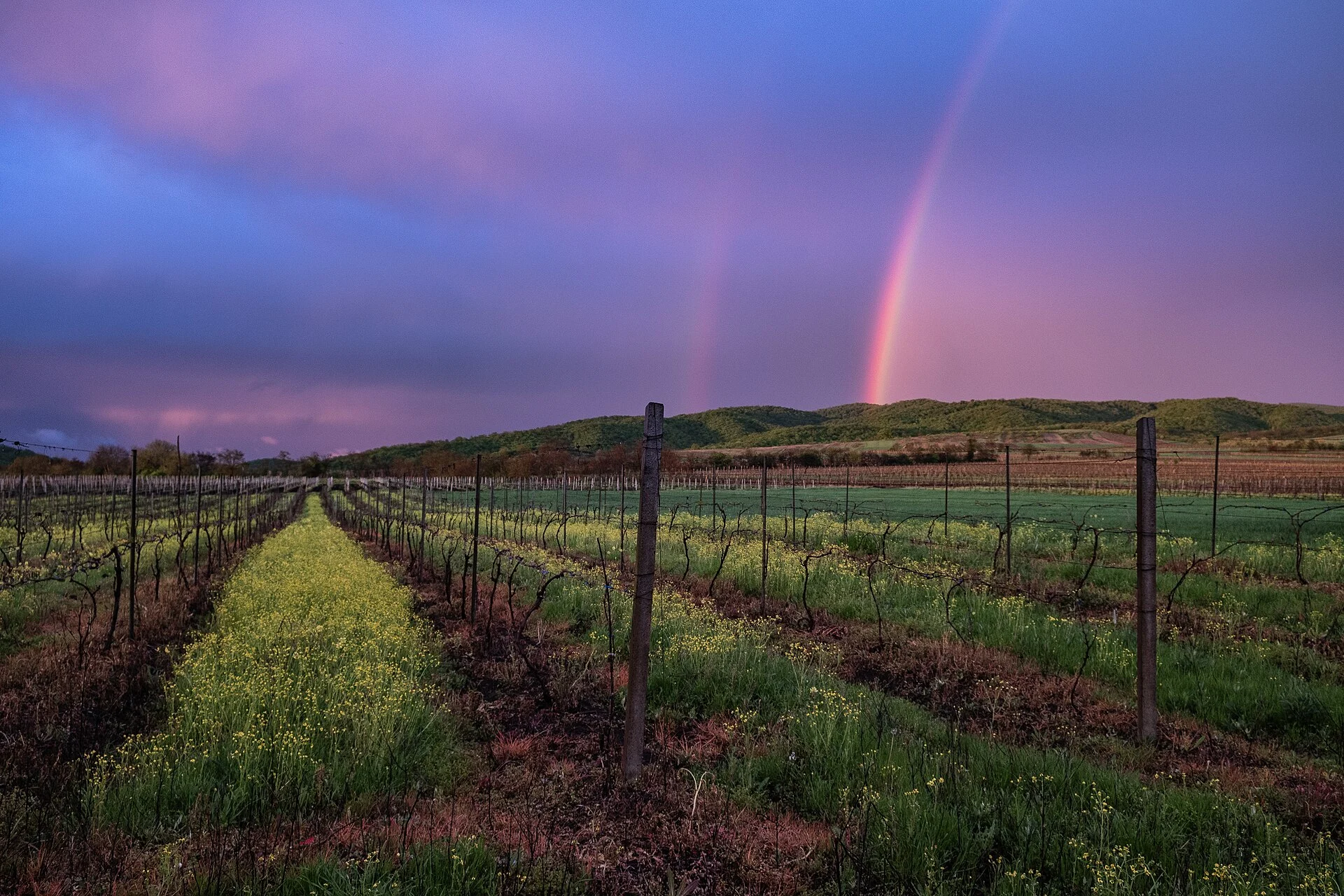
Vineyards under a rainbow in the Alazani Valley, Kakheti region, Georgia. · Photo: Vladimir Pankratov / Wikimedia Commons, CC BY-SA 4.0
Been to Georgia? Tell us how it went — the best stories are published here.
Share your tripOne email a week: what changed for travellers in Georgia — rules, roads, flights, seasons — plus one place worth the trip. Written by the GTour desk, no advertising, unsubscribe in one click.
This story across our partner network — ქართულად: შენი დასვენება
