By David Kiknadze, Transport & Openings Reporter · 01/11/2026
- Visit in November for clear Caucasus views and far fewer visitors than during the September-October harvest season.
- Plan an overnight rather than a day trip to catch sunset along the town wall and allow time for Bodbe convent.
- Combine Sighnaghi with Telavi or Gurjaani, or a qvevri wine cellar visit, as part of a wider Kakheti itinerary.
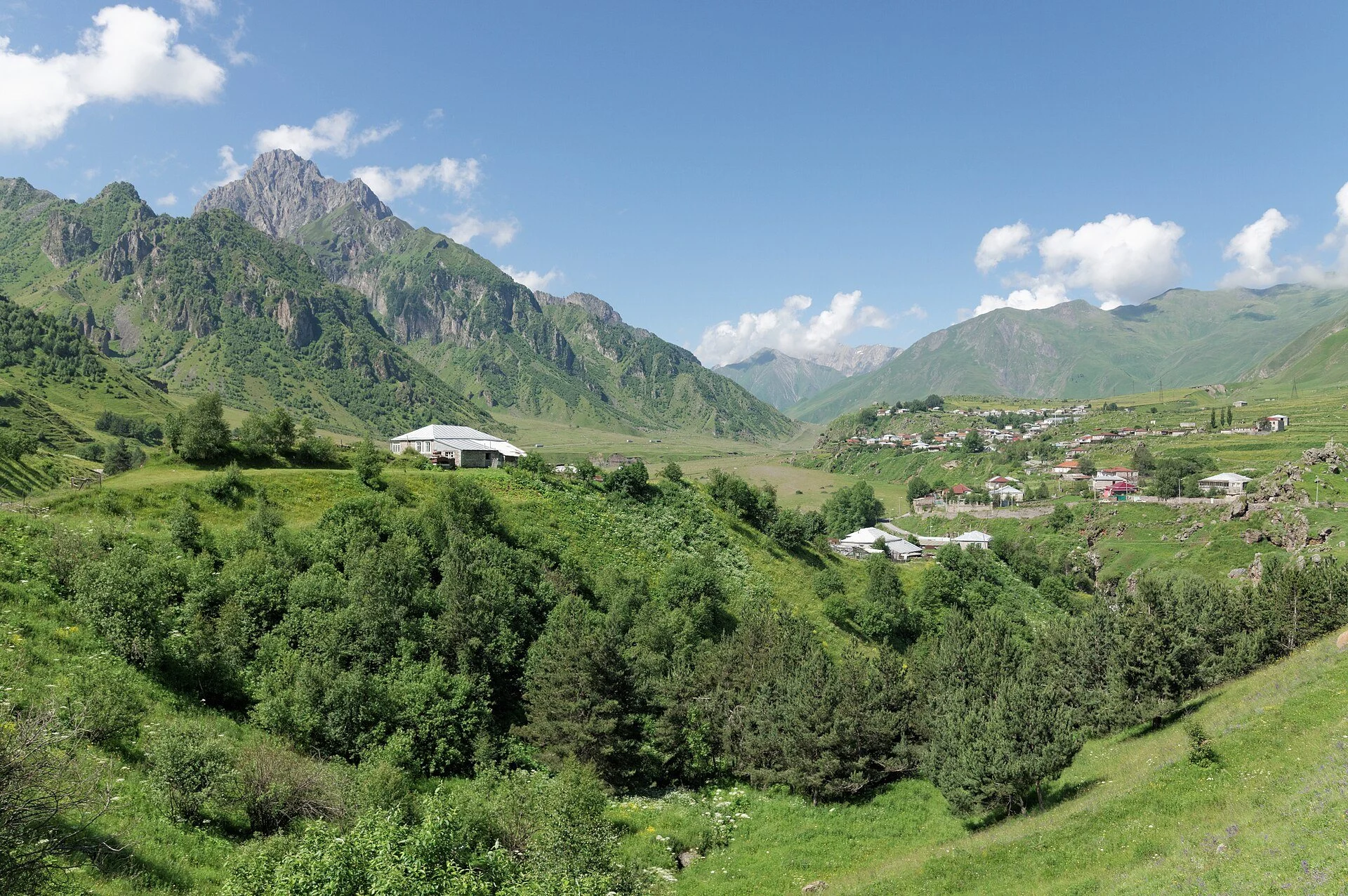
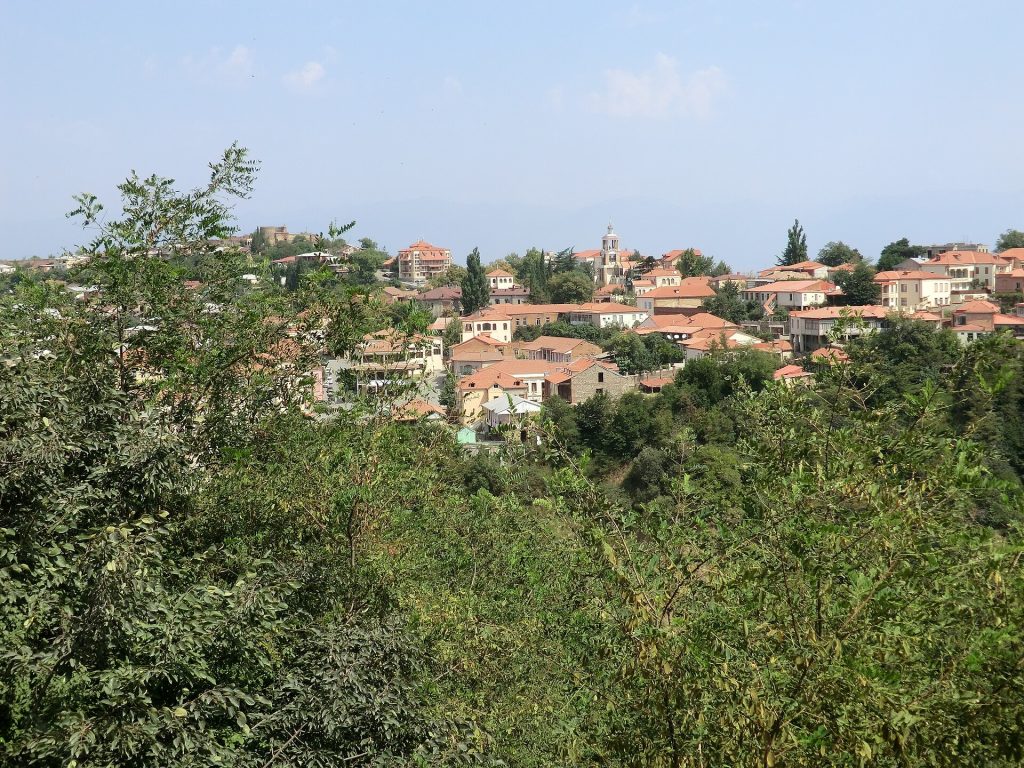
Sighnaghi, the small walled town set on a ridge above Kakheti’s Alazani valley, is easiest to appreciate once the rush of the autumn grape harvest has passed. By November the rtveli crowds that fill the region’s guesthouses in late September and October have thinned, leaving the eighteenth-century defensive wall and its towers free for an unhurried walk, and the air clear enough that the snow line of the Caucasus is often visible across the vineyards below. This makes the town, about 1 hour 40 minutes by road from Tbilisi, a good pick for travellers who want Kakheti’s landscape and history without summer’s heat or harvest-season traffic.
The wall itself, built in 1762 under King Erekle II and running some 4.5 kilometres with more than twenty towers, is the obvious anchor for a visit, and several sections remain walkable along the ridge on the town’s eastern edge. Sunset here, with the Alazani valley’s vineyard rows catching the low light, is one of the more straightforward rewards of an overnight stay rather than a day trip. The restored old town below, with its carved wooden balconies and cobbled lanes, is compact enough to see on foot in an afternoon, and the Sighnaghi Museum’s room devoted to Niko Pirosmani, the self-taught painter born nearby in Mirzaani, adds historical depth without requiring much time.
Combine it with Bodbe and the wine cellars
Two kilometres outside town, the Bodbe convent holds the traditional burial place of St Nino, credited with bringing Christianity to the kingdom of Kartli in the fourth century. The cathedral of St George dates largely from the ninth century, and the grounds include a roughly forty-minute round-trip path down to a spring associated with the saint, a walk well suited to cooler November weather. Below the town, the slope into the Alazani valley is planted with vines feeding both large producers and small family cellars still fermenting wine in buried qvevri jars, a method recognised internationally as part of Georgia’s intangible cultural heritage; with the harvest finished, cellar visits tend to be calmer and less rushed than in October.
Sighnaghi suits travellers who want a single-night base for a slower look at Kakheti rather than a packed day trip from Tbilisi, and it pairs naturally with Telavi or Gurjaani on a wider regional route. Marshrutka minibuses run from Tbilisi’s Ortachala and Samgori stations, or a private transfer can be arranged directly; there is no passenger rail link to the town itself.
Read more on gtour.ge: Sighnaghi
What to see — a daily GTour desk feature drawn from the verified-place register and our destination guides. Not sponsored.
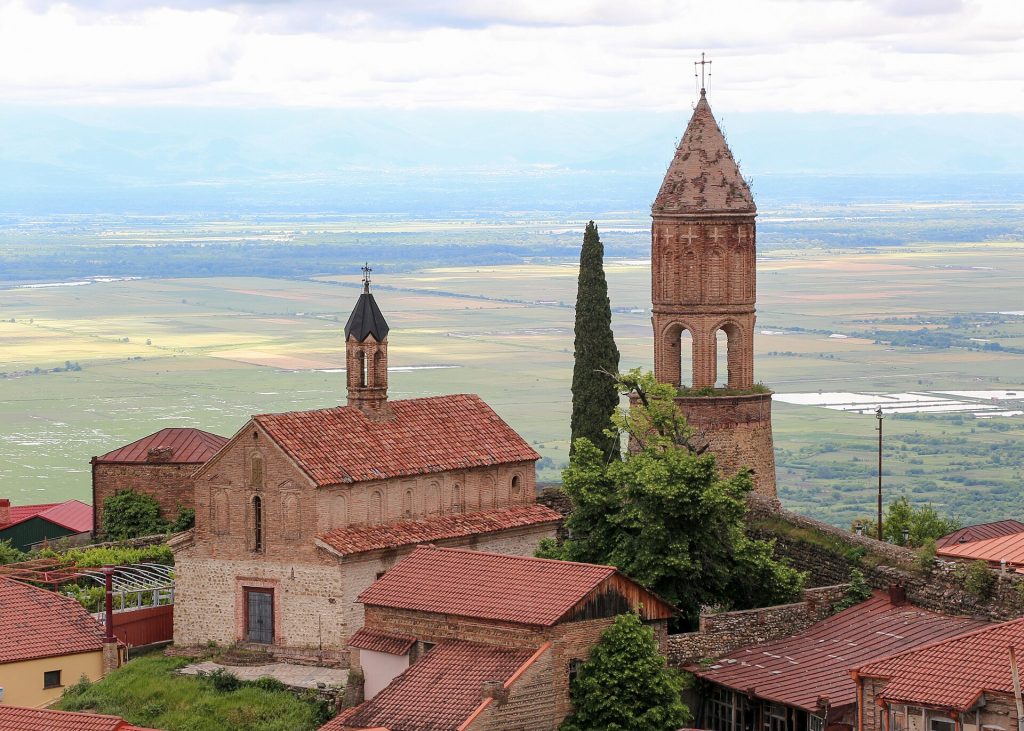
Photo: Vyacheslav Argenberg / Wikimedia Commons, CC BY 4.0
Source: Sighnaghi Museum – Georgian National Museum (museum.ge)
Been to Georgia? Tell us how it went — the best stories are published here.
Share your tripOne email a week: what changed for travellers in Georgia — rules, roads, flights, seasons — plus one place worth the trip. Written by the GTour desk, no advertising, unsubscribe in one click.
One email a week: what changed for travellers in Georgia — rules, roads, flights, seasons — plus one place worth the trip. Written by the GTour desk, no advertising, unsubscribe in one click.
Planning a trip to Georgia?
GTour runs private tours with English-speaking guides from Old Tbilisi. See all tours or ask the desk on WhatsApp +995 577 416 314.
Source: Sighnaghi Museum – Georgian National Museum (museum.ge). Reported by the GTour desk; updated 1 November 2026, 15:46 (Tbilisi).