By Safari News — Africa Calling Safaris, Partner desk, Nairobi · 31/10/2026
East Africa is warming faster than the global average, and decades of field observation now show measurable effects on wildlife across the Masai Mara, Amboseli and Tsavo ecosystems. Guides who have worked these landscapes for twenty or thirty years report changes in grass composition, river flow and seasonal rhythms that were once stable. The region has warmed by roughly 1°C since 1960, with highland areas recording a 1.1°C rise between 1960 and 2015, and a further 1.5–2°C increase is projected by 2050 under moderate emission scenarios. Extreme heat days above 35°C have more than doubled in semi-arid zones, while rainfall has grown more erratic, with longer dry spells broken by shorter, heavier downpours.
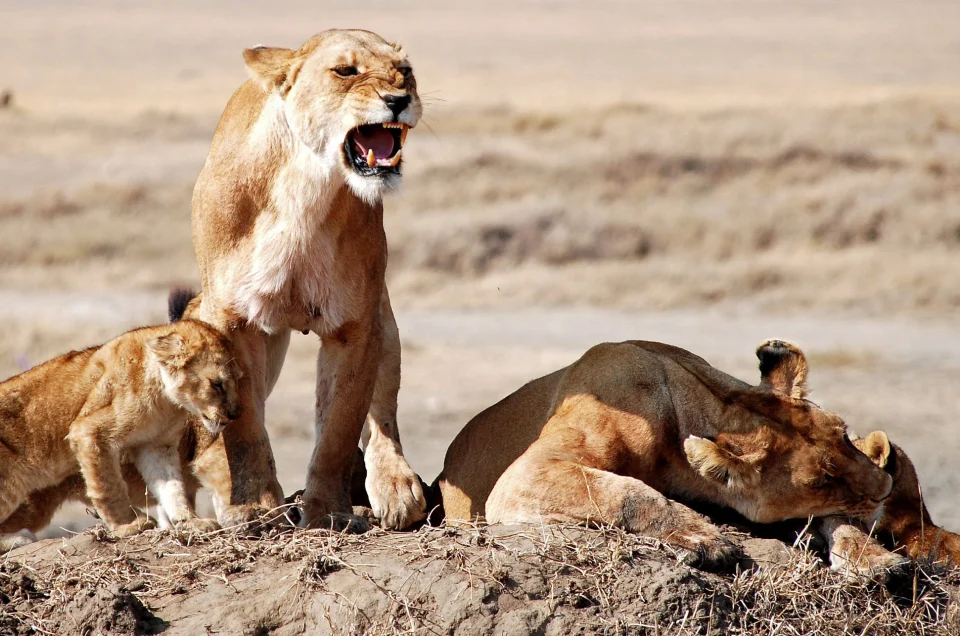
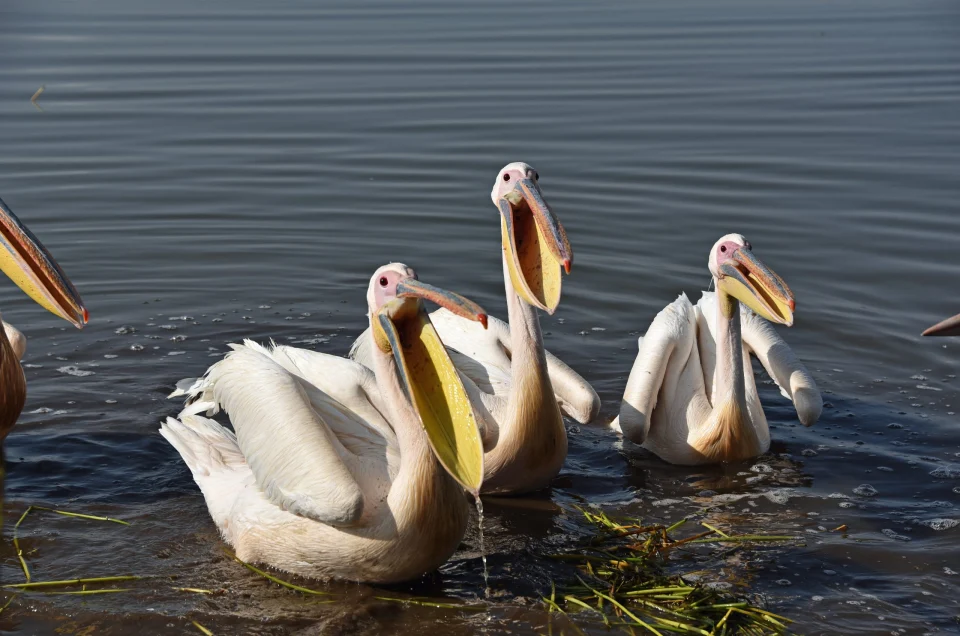
These shifts are visibly altering animal behaviour. The timing of the wildebeest migration, once reliably crossing rivers in July, now varies considerably year to year, though the Mara-Serengeti population remains stable at around 1.5 million. Elephants in Amboseli are following increasingly unpredictable rainfall, leading to more frequent movement into farmland bordering the park. Lake Nakuru’s flamingo numbers have fallen as shifting rainfall changes the lake’s water chemistry, and researchers have documented range shifts among several bird and reptile species.
“I can see it. The grass species composition in areas I have walked for twenty years has changed. The trees that died in the 2009 drought did not fully recover. The landscape remembers,” said Nikos Pocock, head guide and co-founder of Africa Calling Safaris. Conservation groups are responding with expanded water infrastructure for drought periods, wider wildlife corridors and community livelihood diversification to ease conflict when crops fail.
For now, operators say the safari experience remains world-class, though long-term planning increasingly accounts for shifting rainfall and vegetation. Travellers flying from Europe or the Caucasus via Nairobi should also note that warming temperatures are expanding malaria risk into previously low-risk highland areas, making standard travel health precautions advisable regardless of altitude.
Based on reporting by Safari News, the travel desk of Africa Calling Safaris (Nairobi), GTour’s partner for East Africa. Read the original there.
Been to Georgia? Tell us how it went — the best stories are published here.
Share your tripOne email a week: what changed for travellers in Georgia — rules, roads, flights, seasons — plus one place worth the trip. Written by the GTour desk, no advertising, unsubscribe in one click.
This story across our partner network — Original reporting: Safari News (Nairobi) · ქართულად: შენი დასვენება · შენი ამბები
Planning a trip to Georgia?
GTour runs private tours with English-speaking guides from Old Tbilisi. See all tours or ask the desk on WhatsApp +995 577 416 314.
Source: Safari News — Africa Calling Safaris. Reported by the GTour desk; updated 31 October 2026, 12:41 (Tbilisi).