

By Mariam Lomidze, Culture & Events Reporter · 27/10/2026
Slovenian citizens do not need a visa to visit Georgia. Under Georgia’s visa-free regime, Slovenian passport holders — like other EU nationals — may enter and stay for up to one year without applying for anything in advance, provided the passport is valid and the trip is for tourism, business or family visits. This is a generous policy by European standards, but it is also one that Tbilisi has adjusted before, so every Slovenian traveller should check the current rule on the Ministry of Foreign Affairs consular page before booking, since conditions can change with little notice.
What to expect once you land: a currency you will not already know (the lari), no direct flights from Slovenia so you will connect through a hub such as Istanbul, Munich, Warsaw, Doha or Dubai, a country where Georgian and Russian are heard far more than English outside Tbilisi and Batumi, and a cuisine built on bread, cheese, walnuts and wine that will feel more familiar to a Slovenian palate than many other non-European cuisines. Historical and trade ties between Georgia and Slovenia are modest — this guide says so plainly rather than inventing connections — so the practical sections below matter more than any shared past.
Visa and entry rules for Slovenian citizens
As an EU member state, Slovenia is on Georgia’s visa-free list, and current policy allows a stay of up to 365 days per entry for tourism purposes without a visa. This is confirmed, and should be reconfirmed, on the Ministry of Foreign Affairs of Georgia’s consular portal geoconsul.gov.ge, which lists visa-free countries and stay lengths and is updated when the rules change. Because policies on exact stay duration have shifted in the past, do not rely on older blog posts or forum threads.
If for any reason a Slovenian traveller falls outside the visa-free category (for example, travelling on a non-standard passport, planning to work, or staying beyond the permitted period), Georgia’s e-visa system is the route to apply, through the official portal evisa.gov.ge. Processing is typically a few working days once the online form, passport scan and a passport photo are submitted, but build in extra time and never pay a third-party website for what the government portal issues directly.
Slovenia does not maintain its own embassy in Tbilisi. Consular coverage for Georgia is handled from a neighbouring post; the exact accredited embassy can change, so before travelling check the current arrangement directly with Slovenia’s own Ministry of Foreign Affairs, and cross-check the list of diplomatic missions accredited to Georgia on mfa.gov.ge. Carry the contact details of whichever post covers you, not an address found secondhand.
Getting there: flights and routes from Slovenia
There is no direct flight between Ljubljana and Tbilisi, Kutaisi or Batumi, so every Slovenian traveller connects through a hub. The routes that reliably work in 2026 are:
| Hub | Typical carrier | Notes |
|---|---|---|
| Istanbul | Turkish Airlines | Frequent IST–TBS and IST–BUS flights, usually the shortest total journey time |
| Munich | Lufthansa | Good option if Ljubljana–Munich fits your schedule; onward MUC–TBS is several times weekly |
| Warsaw | LOT Polish Airlines, Wizz Air (budget, Kutaisi) | Useful for reaching Kutaisi airport at lower fares |
| Doha | Qatar Airways | Longer routing but strong schedule reliability and baggage allowance |
| Dubai | Emirates, flydubai | Workable if combining Georgia with Gulf travel |
Kutaisi International Airport has become the budget gateway for Europe thanks to Wizz Air’s network, and it is worth comparing fares there against Tbilisi, especially if your itinerary starts in Batumi, Kutaisi or Svaneti. Check live routes and schedules on tbilisiairport.com and kutaisiairport.com before fixing dates, as airline schedules to and from Georgia change seasonally.
Driving licence, money and getting around
A Slovenian (EU) driving licence is valid for driving in Georgia for the length of your visa-free stay; an International Driving Permit is not required for most short visits but carrying one alongside your Slovenian licence removes any ambiguity, particularly if you plan to rent a car for mountain routes. Confirm current rules on georoad.gov.ge, and check our own road-status page before heading into Svaneti, Tusheti or over mountain passes in winter.
The currency is the Georgian lari (GEL). As a eurozone traveller, you will be converting for the first time on this trip rather than simply comparing prices, so it helps to anchor to one reference figure: at the National Bank of Georgia’s rate of 26 October 2026, €1 equals roughly 2.91 GEL — check the live rate on nbg.gov.ge before changing money, since it moves daily. Cards are accepted in almost all hotels, restaurants and shops in Tbilisi, Batumi and Kutaisi; carry cash for rural guesthouses, market stalls, minibuses (marshrutkas) and small village cafes in Svaneti, Tusheti or Kakheti, where card terminals are patchy. ATMs are widespread in cities and towns.
For SIM cards, Magti, Silknet and Beeline all sell inexpensive prepaid tourist SIMs at the airport and in city centres, and eSIM options from international providers now cover Georgia reliably if you prefer to activate before landing. Either approach works; airport SIM kiosks are fast and staff speak English.
Language: what Slovenian travellers can expect
Georgian uses its own script and is unrelated to any Slavic or Romance language, so Slovenian gives no linguistic shortcut here, unlike in much of the rest of Europe. English is used reliably in Tbilisi’s hotels, restaurants and tour operations, and increasingly in Batumi and Kutaisi, but thins out quickly in villages. Russian remains widely understood among older Georgians and in rural areas, a legacy of the Soviet period, though younger Georgians generally prefer English. Do not expect Slovenian to be understood anywhere; a short list of Georgian courtesy phrases (gamarjoba for hello, madloba for thank you) goes further than most travellers assume.
Food and dietary notes
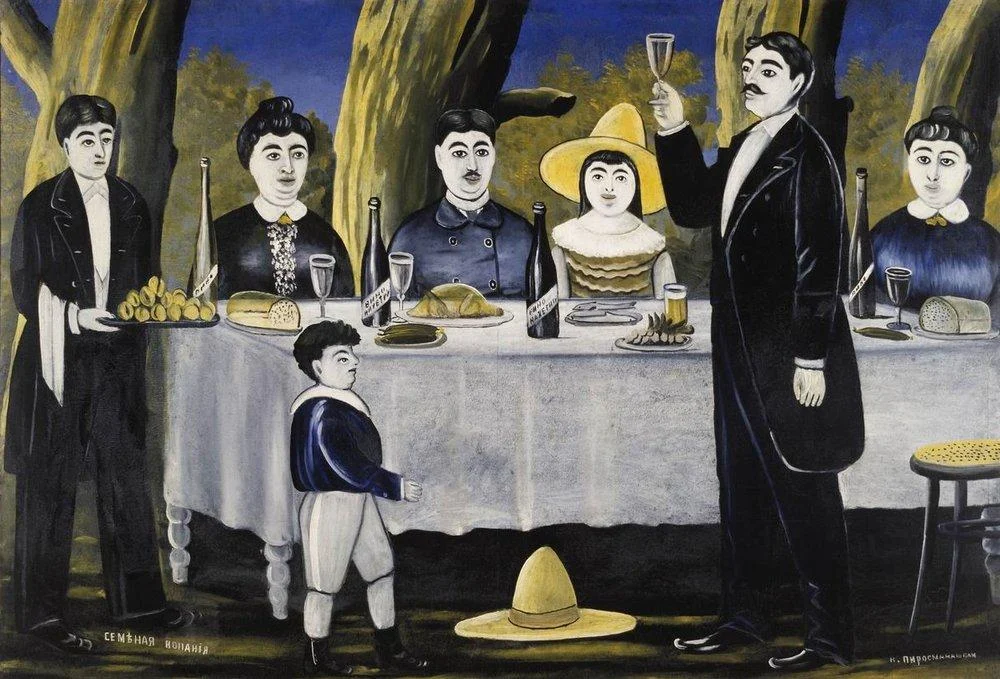
Georgian cuisine overlaps with Slovenian habits more than many visitors expect: bread, cheese, grilled meat, walnuts and a strong culture of home-made wine are all familiar territory. Khachapuri (cheese-filled bread) and khinkali (dumplings) are the dishes every visitor tries first; mtsvadi (grilled skewered meat) will feel close to Balkan and Central European grilling traditions. Vegetarians eat very well in Georgia thanks to lobio (bean stew), pkhali (walnut-and-vegetable pastes) and a long Orthodox fasting tradition that has produced an entire meat-free repertoire, clearly marked on most menus as “lenten” (post) dishes. Halal food is less commonly labelled outside Adjara, which has a sizeable Muslim population, so halal-observant travellers should ask directly in restaurants or plan meals in Batumi and the Adjara mountains where options are more established — our Batumi & the Ajara Mountains tour builds this into the route. Wine is central to any meal; Georgian amber and dry red wines are a natural point of interest for visitors from a country with its own serious wine culture.
Ties between Georgia and Slovenia, and when Slovenians travel here
Historical and trade ties between the two countries are thin, and it is honest to say so rather than stretch a connection. Slovenia was part of socialist Yugoslavia, not the Soviet Union, so the shared “post-socialist” framing often applied to Eastern European pairs does not really hold here; the two countries developed along separate political tracks for most of the twentieth century. Modern links are mainly at the EU level: Slovenia, as an EU member, supports Georgia’s EU candidacy process, and bilateral trade volumes are modest compared with Georgia’s trade with Turkey, Russia or China — current trade statistics are published by Georgia’s national statistics office at geostat.ge for travellers who want the figures rather than an impression. There is no significant historic Slovenian diaspora in Georgia or vice versa.
Slovenian travellers tend to visit Georgia in the same windows as other Central European visitors: July and August for the Black Sea coast and mountain hiking in Svaneti and Tusheti, late September through October for the grape harvest (rtveli) in Kakheti, and December through March for skiing at Gudauri, which suits travellers who already ski at home and want a cheaper, less crowded alternative to the Alps. Our Rtveli — Wine Harvest in Kakheti and Georgia in Winter — Gudauri Skiing, Tbilisi & Kakheti tours are built around exactly these windows.
Health, insurance, safety and etiquette
Georgia does not currently require foreign tourists to carry a specific mandatory travel insurance policy as a condition of entry, but requirements around health and insurance have changed before and can change again, so confirm the current position on geoconsul.gov.ge and on the National Center for Disease Control and Public Health at ncgh.ge before you fly. Regardless of the legal requirement, travel insurance covering medical treatment, evacuation and mountain rescue is strongly advisable for anyone heading into Svaneti, Tusheti, Kazbegi or the Gudauri ski area, where private healthcare costs are not covered by Slovenian national health insurance. For any personal medical decision, including vaccinations or pre-existing conditions, consult your own doctor before travel rather than relying on a travel guide.
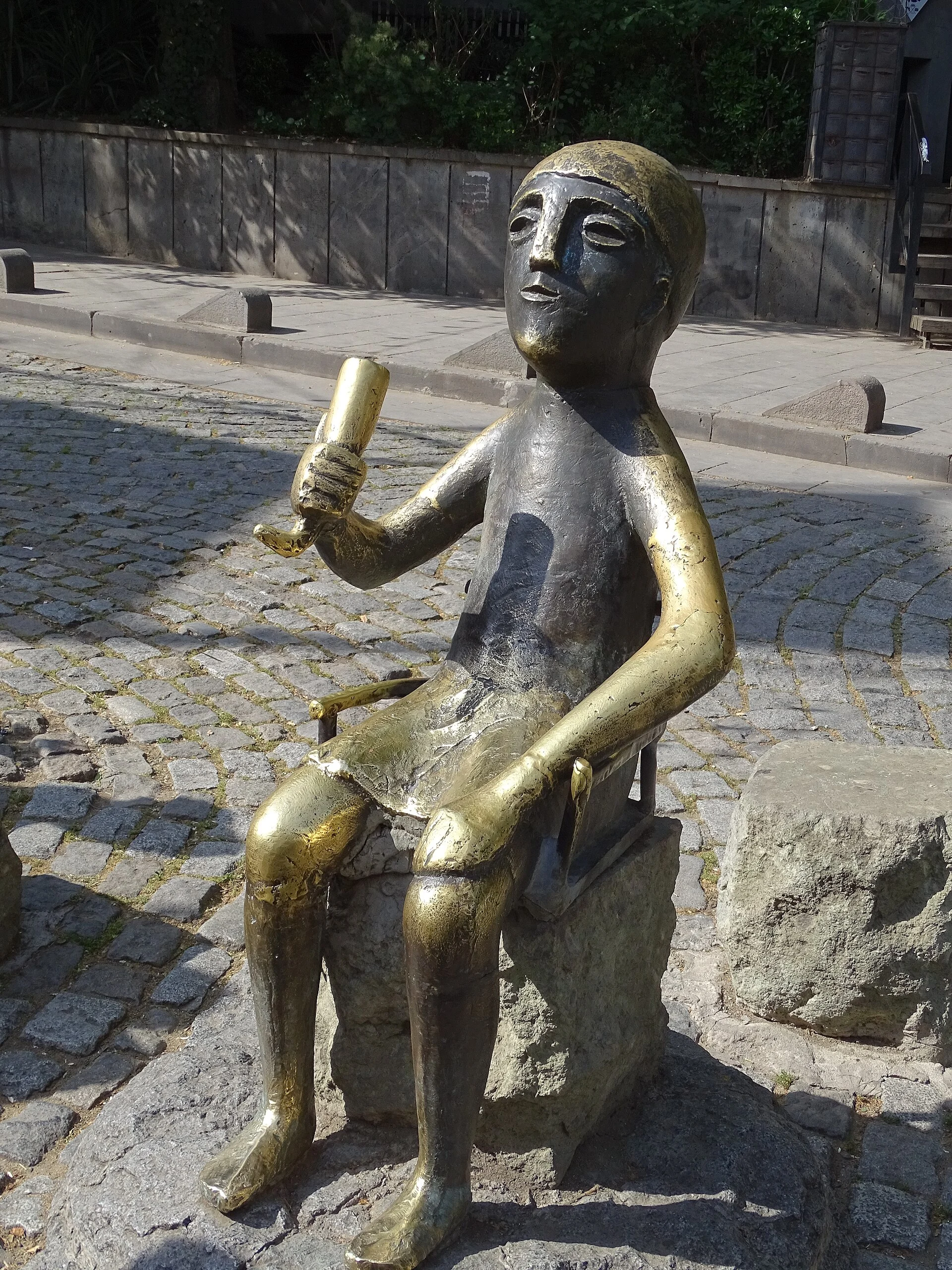
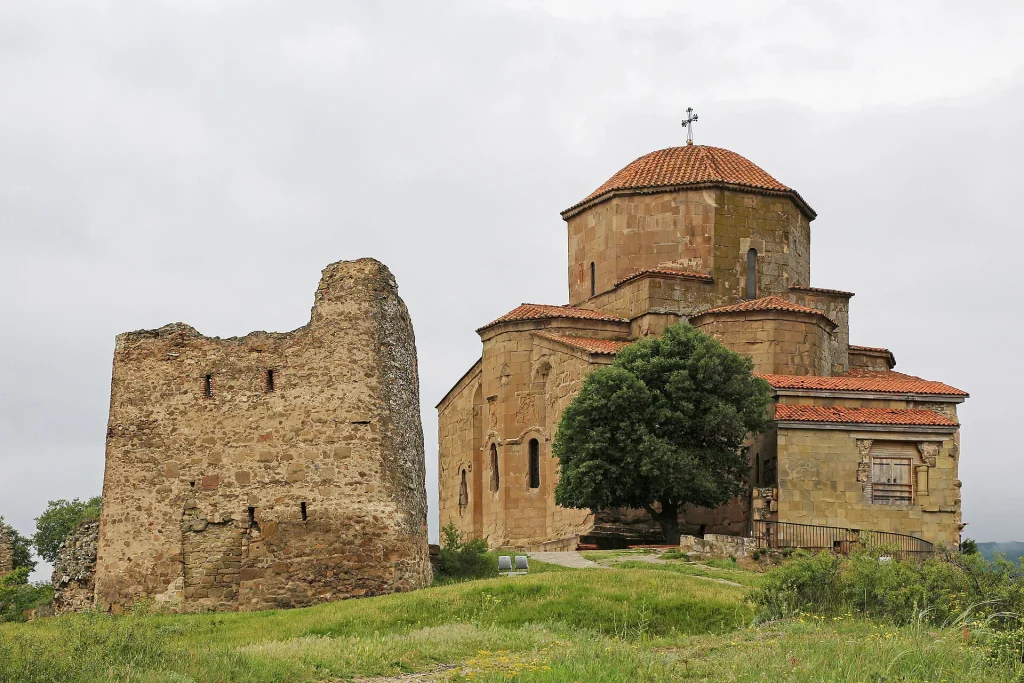
Georgia is a safe destination by regional and European comparison, with low rates of violent crime against tourists; ordinary precautions around belongings in crowded markets and on night transport are enough. Etiquette notes specific to European visitors: toasting at a supra (traditional feast) is a genuine social institution, not a formality, and declining wine outright can seem brusque — saying you are driving or unwell is an easily accepted reason. Dress modestly (covered shoulders and knees, and a headscarf for women in some churches) when visiting Orthodox monasteries such as those on our Christian Georgia — Pilgrimage and Sacred Heritage in 8 Days itinerary. Haggling is not expected in shops but is normal in craft markets.
What a G Tour private guide adds
For a first visit, the gap between guidebook Georgia and lived Georgia is mostly closed by a good guide and driver: someone who can read a Georgian-only menu, explain why a church has two names, or reroute around a closed mountain pass without losing a day. A licensed G Tour guide costs from €70 for a half-day Old Tbilisi walk up to €140 per day for a specialist wine or hiking guide, with German and other European languages available for a small supplement; see current rates on our services page. Airport pickup is fixed in writing before you fly — €25 for a sedan from Tbilisi airport, for example — and multi-day touring with a car and driver runs from €90 to €165 a day depending on vehicle and route, all listed transparently on our data page. For a first week in the country, Georgia in 7 Days — The Classic Grand Tour and Tbilisi & Mtskheta — The Essential First Day are the two itineraries most Slovenian visitors ask for first.
If this guide is part of a trip you are planning, our Georgia in 10 Days — Tbilisi to Svaneti to the Sea and Monasteries of Georgia — Mtskheta, the Thirteen Fathers and Kakheti in 3 Days cover the places it describes with a private guide and driver; a GTour travel expert adapts the route to your dates.
Practical summary
- Visa: visa-free for Slovenian citizens under current rules, up to 365 days for tourism — verify on geoconsul.gov.ge before booking.
- If a visa is needed: apply only through evisa.gov.ge, allow several working days.
- Flights: no direct route; connect via Istanbul, Munich, Warsaw, Doha or Dubai; compare Tbilisi against budget Kutaisi fares.
- Driving: Slovenian/EU licence valid for the visa-free period; carrying an International Driving Permit removes doubt.
- Money: Georgian lari; cards work in cities, carry cash for villages and mountain regions; check the live EUR–GEL rate on nbg.gov.ge.
- Connectivity: prepaid SIM (Magti, Silknet, Beeline) at the airport, or activate an eSIM before landing.
- Language: Georgian is unrelated to Slovenian; English works in cities, Russian often understood in rural areas.
- Health: no confirmed mandatory insurance rule as of October 2026, but travel and mountain-rescue insurance is strongly advised; check ncgh.ge and consult your own doctor for personal health questions.
- Embassy: Slovenia has no embassy in Tbilisi; confirm which post currently covers Georgia before you travel.
Sources
- MFA Georgia consular portal, visa-free list
- Georgia e-Visa portal
- Diplomatic missions accredited to Georgia
- Georgian Road Department, driving rules
- National Bank of Georgia, exchange rates
- Georgia foreign trade statistics
Questions this guide does not answer? Write to info@castle.ge or WhatsApp +995 577 41 63 14 — a person in Tbilisi replies. See also our travel services and all guides.
The Tamada toastmaster statue in Tbilisi symbolises Georgia's wine-toasting feast culture travellers will encounter. · Photo: Giftzwerg 88 / Wikimedia Commons, CC BY-SA 3.0
Been to Georgia? Tell us how it went — the best stories are published here.
Share your tripOne email a week: what changed for travellers in Georgia — rules, roads, flights, seasons — plus one place worth the trip. Written by the GTour desk, no advertising, unsubscribe in one click.
This story across our partner network — ქართულად: შენი დასვენება