

By Nino Gelashvili, Travel News Editor · 27/10/2026
No. Under Georgian law a tourist cannot simply cross into Abkhazia or the Tskhinvali region/South Ossetia as a sightseeing excursion from Georgian-controlled territory, and entering either region from Russia is a criminal offence under Georgian legislation. The relevant law, the Law of Georgia on Occupied Territories, has been in force since 23 October 2008 and remains the governing rule in 2026, as confirmed by its current text on matsne.gov.ge.
The nuance matters more than the headline. Georgian citizens and foreigners alike need written permission from the Georgian state to enter these territories lawfully, and in practice almost no such permission is issued to foreign tourists in 2026. Far more travellers end up inside Abkhazia by flying to Sochi and crossing from the Russian side, which Tbilisi treats as an illegal entry into Georgian territory regardless of what any local authority there says, with consequences for anyone who later tries to enter Georgia proper. The Ministry of Foreign Affairs restates this position in its travel guidance, see mfa.gov.ge.
What the law actually says
The Law on Occupied Territories defines Abkhazia and the Tskhinvali region/South Ossetia as territories occupied by the Russian Federation. It restricts entry and exit across the Russian-controlled side of the line and sets out that movement in and out of these regions is lawful only through points under Georgian jurisdiction, with special permission from the competent Georgian authority in narrow cases such as humanitarian access, research or family visits. There is no general tourist permit scheme. The current consolidated text is on matsne.gov.ge; because wording and enforcement practice can be amended, always check the live document rather than a cached summary before planning anything.
Entering from the Russian side: what follows
Travellers who enter Abkhazia or South Ossetia via Russia, for instance through Sochi to Sukhumi, or Vladikavkaz towards Tskhinvali, are recorded by Georgia as having illegally crossed into its territory. The practical consequences reported by Georgian authorities and covered in Georgian media over the years include:
- Entry into Georgia proper can be refused on arrival, since the stamp or record shows an unauthorised crossing.
- Repeat or evidenced cases can be referred for criminal investigation under the Law on Occupied Territories.
- There is no fast-track way to clear this status once it is flagged; disputing it is a consular matter, not something arranged at the airport.
Coverage of enforcement and of incidents along the administrative boundary line is tracked by independent outlets such as civil.ge and georgiatoday.ge; both are useful for checking whether anything has changed before you travel.
The line of occupation and what you can see from Georgian-controlled territory
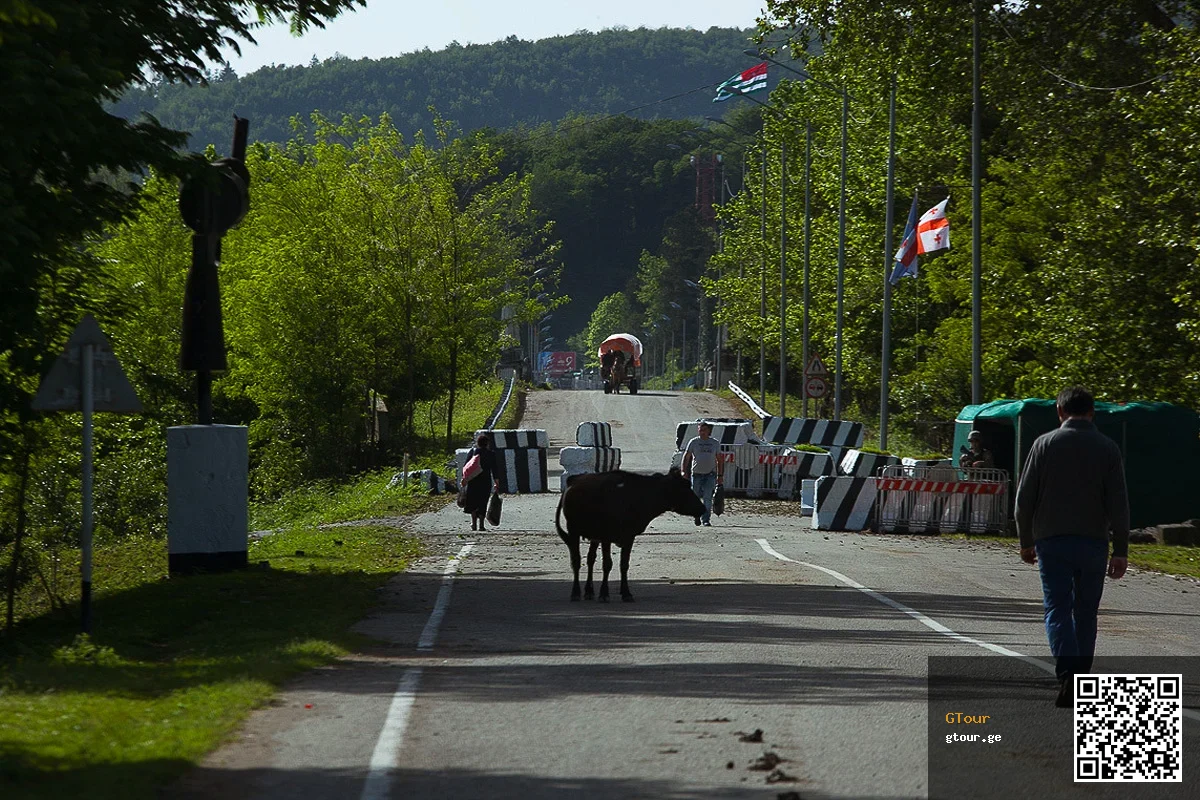
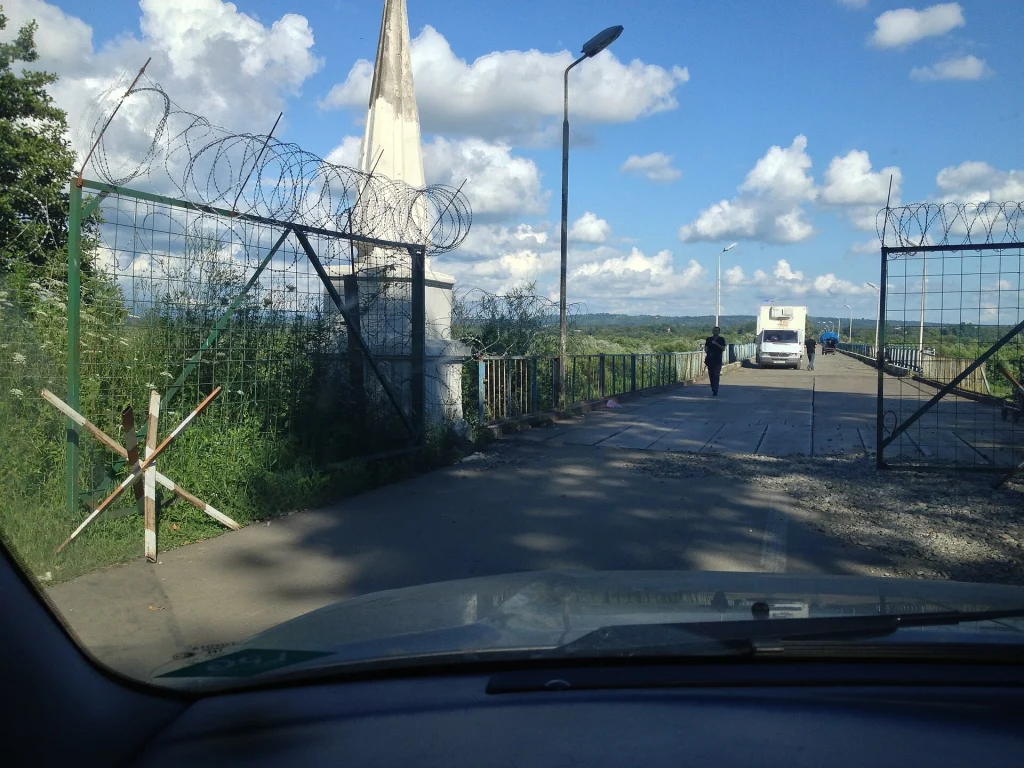
Georgia calls the de facto border the “line of occupation” rather than a state border, since it does not recognise the separation as legitimate. From the Georgian-controlled side, a visitor can approach, but not cross, the boundary at a few points:
| Location | What is visible | Crossing status, 2026 |
|---|---|---|
| Ergneti, near Gori (South Ossetia boundary) | Georgian police checkpoint, fields, distant villages | Closed to tourists; approach is not advisable without a local guide who knows the current line |
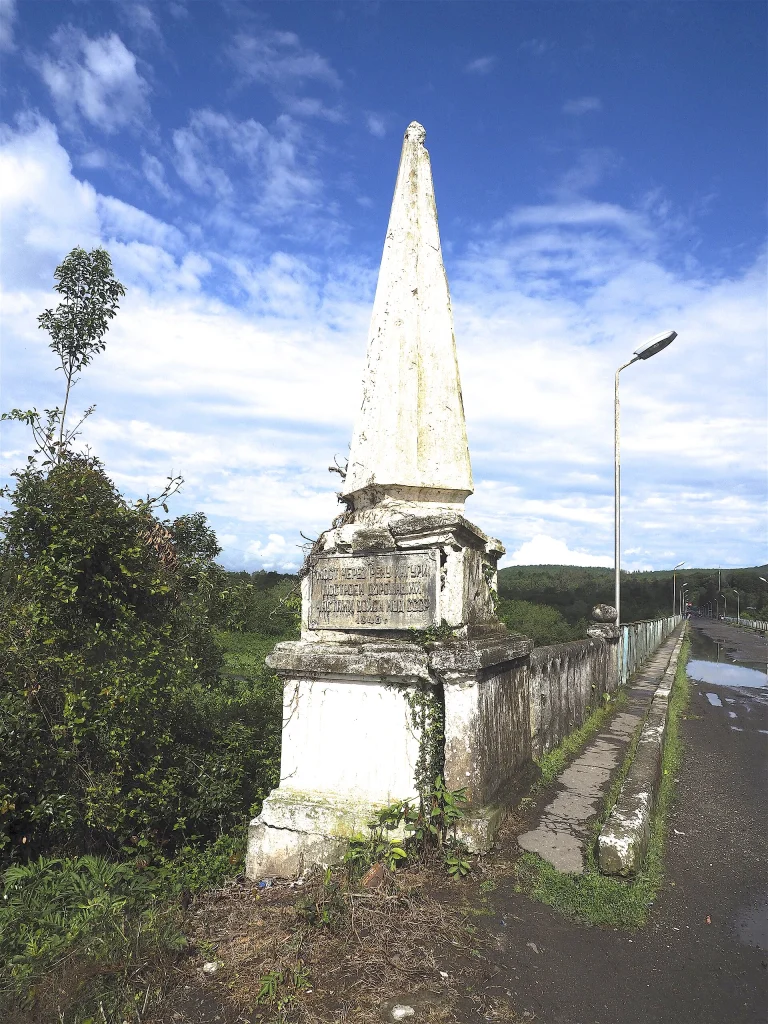
| Enguri Bridge, near Zugdidi (Abkhazia boundary) | The long Soviet-era bridge over the Enguri river, checkpoint on the Georgian side | Closed to foreign tourist crossings; occasional access for Georgian citizens and registered organisations with permits |
| Akhalgori direction, east of the Kazbegi road | Distant ridgelines only, no direct sightline to the town | No public crossing; not part of any standard tour route |
None of our itineraries approach these points. Our Gori and Uplistsikhe cave city day trip stays well inside Georgian-controlled territory and focuses on the Stalin Museum and the Uplistsikhe cave town, not the boundary itself.
What tourists should do instead
If the aim is to understand the conflict and see Georgian-administered areas nearest the line, a guided day trip from Tbilisi is the sensible option, with a driver and guide who know current road and checkpoint conditions. See current rates for a car with an English-speaking driver and for licensed guides on our price page. For anyone with a specific research, humanitarian or family reason to seek entry into the occupied territories, the correct first step is a written enquiry to the Georgian government, not an informal arrangement on the ground; the State Security Service and the Ministry of Foreign Affairs are the relevant contacts, and MFA consular staff can advise on current procedure, see mfa.gov.ge.
Where this comes from
This answer is based on the Law of Georgia on Occupied Territories as published on matsne.gov.ge, the travel guidance published by Georgia’s Ministry of Foreign Affairs at mfa.gov.ge, and ongoing reporting on boundary-line incidents and crossing rules from civil.ge and georgiatoday.ge. Rules and enforcement practice can change without much notice, so check the official sources directly before travelling; this page was checked on 27 October 2026.
If this guide is part of a trip you are planning, our Georgia in 10 Days — Tbilisi to Svaneti to the Sea and Monasteries of Georgia — Mtskheta, the Thirteen Fathers and Kakheti in 3 Days cover the places it describes with a private guide and driver; a GTour travel expert adapts the route to your dates.
Sources
- Law of Georgia on Occupied Territories
- Georgia Today, Abkhazia coverage
- Law of Georgia on Occupied Territories
- BBC News — Abkhazia profile
- BBC News — South Ossetia profile
Questions this guide does not answer? Write to info@castle.ge or WhatsApp +995 577 41 63 14 — a person in Tbilisi replies. See also our travel services and all guides.
The last Georgian checkpoint before the Enguri Bridge, marking the line of occupation with Abkhazia. · Photo: Jelger Groeneveld / Wikimedia Commons, CC BY 2.0
Been to Georgia? Tell us how it went — the best stories are published here.
Share your tripOne email a week: what changed for travellers in Georgia — rules, roads, flights, seasons — plus one place worth the trip. Written by the GTour desk, no advertising, unsubscribe in one click.
This story across our partner network — ქართულად: შენი დასვენება