

By David Kiknadze, Transport & Openings Reporter · 27/10/2026
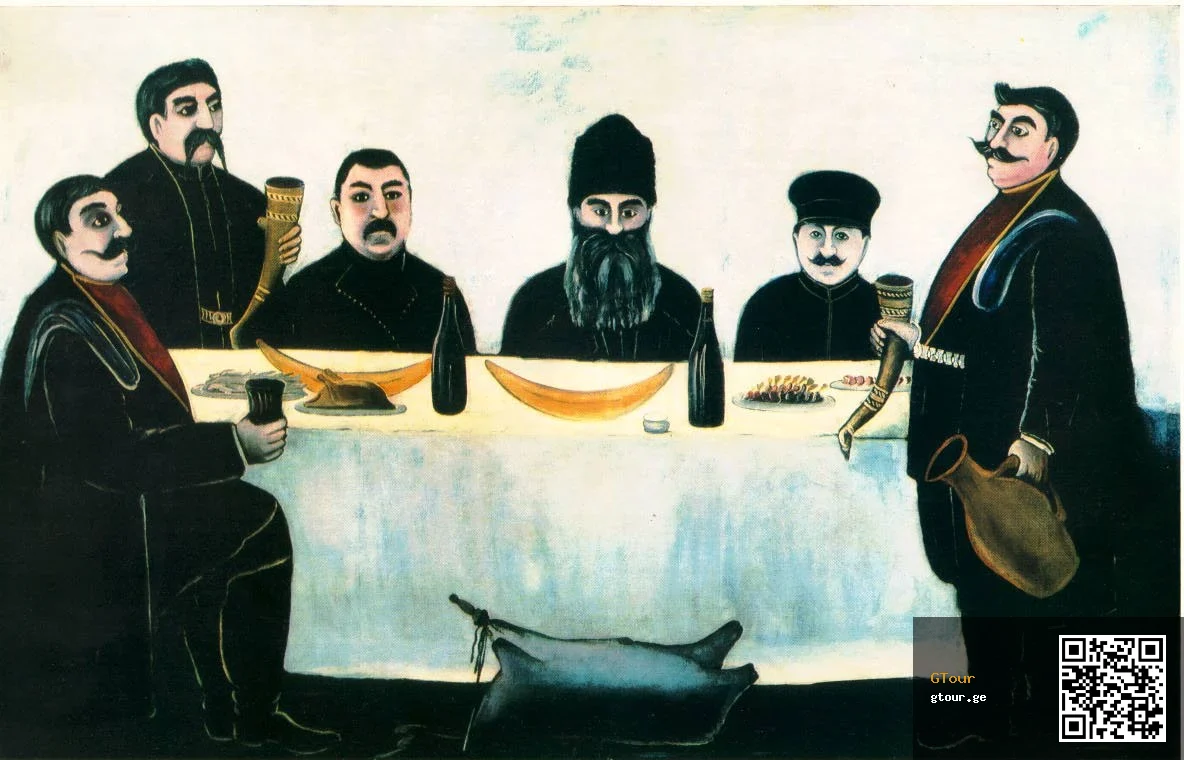
A Georgian supra is a structured feast of many courses and even more toasts, run by a toastmaster called the tamada, whose job is to call each toast in turn so that nobody drinks at random. The institution is old enough that UNESCO inscribed Georgian polyphonic singing, which is sung at supras to close or punctuate toasts, on its Representative List of the Intangible Cultural Heritage of Humanity in 2001, and Georgian qvevri wine-making, the base of the whole ritual, in 2013.
The nuance is that there is no single fixed script. A wedding supra in Kakheti, a mourning meal called kelekhi, and a relaxed Saturday lunch with a guesthouse family in Svaneti all follow the same skeleton, tamada, toasts, food, song, but the tone, length and strictness differ sharply. Treat what follows as the common pattern a guest should expect and respect, not a law to recite from memory.
Who leads, and what a guest actually does
The tamada is chosen by the host, usually an older man with a reputation for wit and stamina, though younger hosts and women now lead supras too, especially in Tbilisi. The tamada proposes each toast, speaks first and longest, then invites others, often moving around the table by seniority or by a rotating “alaverdi” (the person asked to add to the toast). As a guest you do not drink before the tamada’s toast begins, and you do not propose your own toast unprompted at a formal supra. If you are a guest of honour you will likely be asked to speak, briefly, sincerely, and without rushing to sit down.
Customary order of toasts
The sequence is flexible and the exact wording is the tamada’s choice, but most formal supras move through recognisable themes:
| Stage | Typical theme |
|---|---|
| 1 | Peace and the gathering itself |
| 2 | The host’s family and home |
| 3 | The guests, named individually at larger tables |
| 4 | Georgia, ancestors and those who are no longer alive |
| 5 | Parents, children, and love |
| 6 | Friendship, and finally a closing toast, often sung |
At a mourning kelekhi the sequence is shorter, quieter and the order is almost reversed, beginning with the person who died. If in doubt, follow the tamada’s lead and keep your own toast short.
What and how much to drink
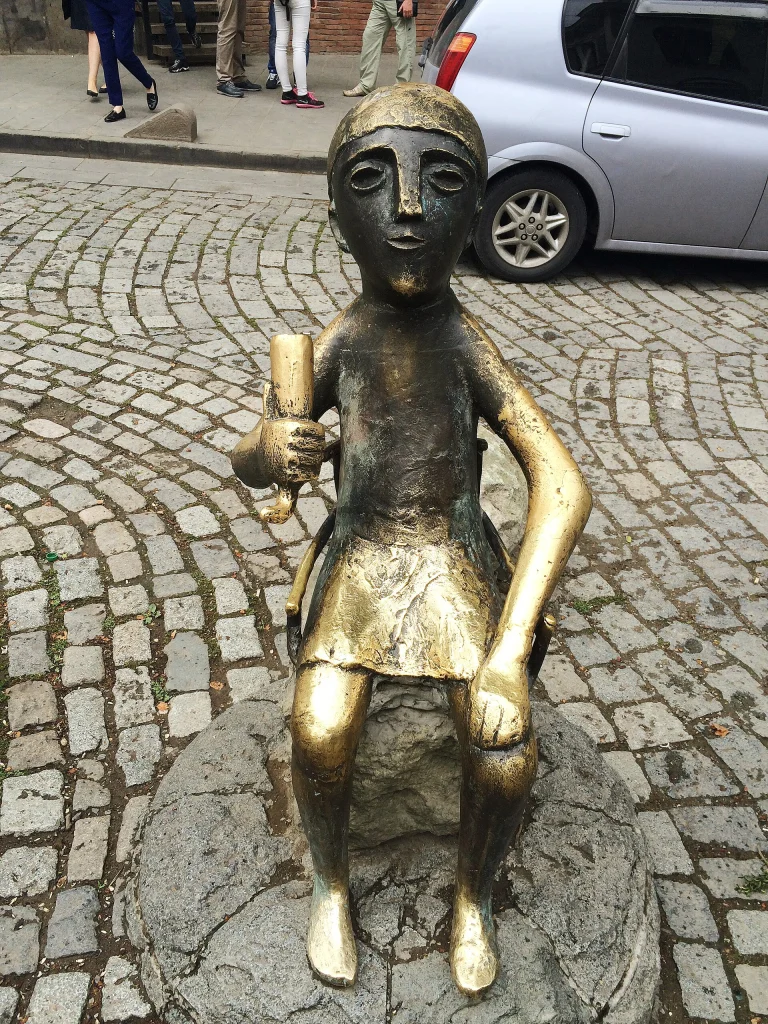
Wine, usually from a qvevri or a family cellar, is the standard supra drink; chacha, the local grape spirit, sometimes appears for a single symbolic toast. You are not expected to empty a full glass for every toast unless the tamada specifically calls for it, and refilling your own glass before a toast, rather than letting the host or a designated pourer do it, is considered poor form at a formal table. Non-drinkers are not usually pressed hard once they explain they do not drink, though a token sip or a toast made with juice is the polite minimum. Clinking glasses is common but not universal, watch the table and match what others do.
Food, pace and what to bring
A supra table is set before guests sit down, with cold dishes already out, pkhali, badrijani, cheese, bread and herbs, so the meal looks dense from the first minute. Hot dishes, khinkali, khachapuri, meat stews, follow in waves rather than a fixed course order, and the table is rarely allowed to look empty. Dessert, fruit and sweets, and the last toasts arrive once the pace slows. If you are invited to someone’s home rather than a restaurant, bring wine, good chocolate, or flowers in an odd number, even numbers are reserved for funerals, and let the host set the schedule rather than arriving with your own agenda.
How visitors get invited
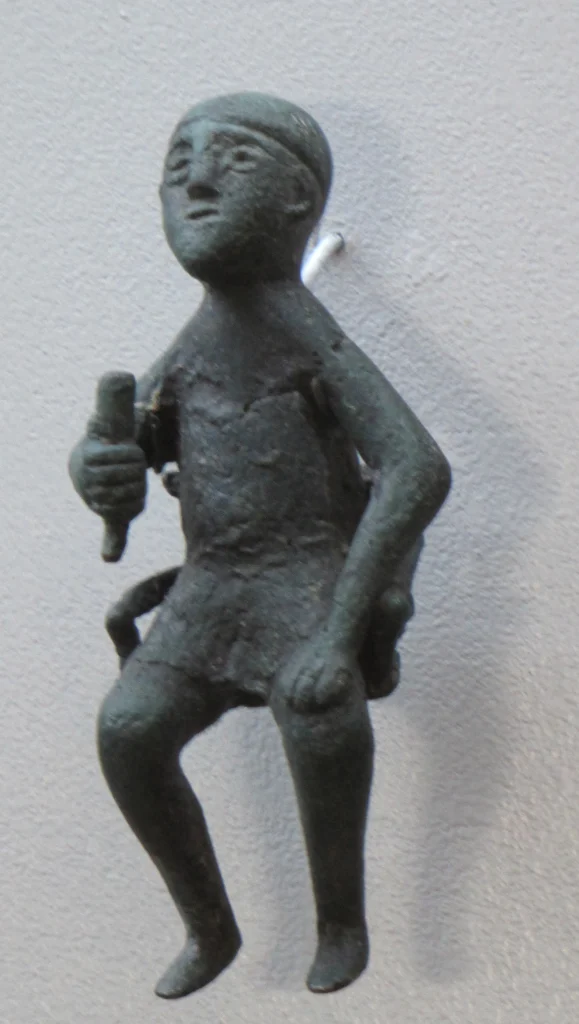
Few travellers are invited to a private family supra on short notice; it depends on friendship or a local connection built over days, not hours. The practical route for most visitors is a hosted meal arranged through a guesthouse, winery or tour operator, which recreates the format honestly without the obligation of a private invitation. Our Kakheti Grand Wine & Heritage and Rtveli Wine Harvest trips both end at a working cellar table with a tamada and, often, a small polyphonic group; the Telavi & Kakheti Wine Region day trip and Kakheti Wine Country Day Trip offer a shorter version. A standalone welcome supra dinner with live polyphonic singers can also be booked for groups of fifteen or more, priced per person at current rates on the GTour data page, alongside our full services list.
Where this comes from
This article draws on the UNESCO Intangible Cultural Heritage listings for Georgian polyphonic singing and the qvevri wine-making method, the national tourism administration’s published material on Georgian cuisine and wine culture, and English-language reporting on supra etiquette from Georgian outlets. Prices and the welcome-supra service figure were checked against GTour’s own rate sheet on 27 October 2026; always confirm current tour and service prices at the link given, since they are reviewed periodically.
If this guide is part of a trip you are planning, our Georgia in 10 Days — Tbilisi to Svaneti to the Sea and Monasteries of Georgia — Mtskheta, the Thirteen Fathers and Kakheti in 3 Days cover the places it describes with a private guide and driver; a GTour travel expert adapts the route to your dates.
Sources
- UNESCO ICH — Georgian polyphonic singing
- UNESCO ICH — Ancient Georgian traditional Qvevri wine-making method
- The Secrets of the Georgian Supra (Smithsonian Magazine)
- Understanding the Georgian Supra (Agenda.ge)
Questions this guide does not answer? Write to info@castle.ge or WhatsApp +995 577 41 63 14 — a person in Tbilisi replies. See also our travel services and all guides.
Niko Pirosmani's painting depicts a traditional Georgian feast with a tamada raising a horn toast. · Photo: Niko Pirosmani / Wikimedia Commons, Public domain
Been to Georgia? Tell us how it went — the best stories are published here.
Share your tripOne email a week: what changed for travellers in Georgia — rules, roads, flights, seasons — plus one place worth the trip. Written by the GTour desk, no advertising, unsubscribe in one click.
This story across our partner network — ქართულად: შენი დასვენება