
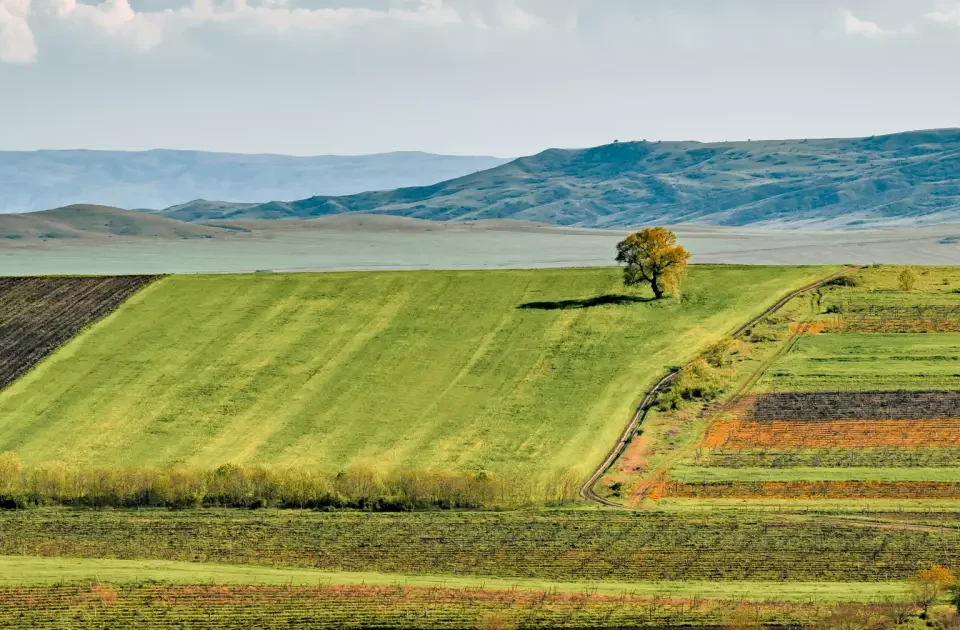
Sooner or later in Georgia you will sit at a long table, a man will stand with a glass, and everyone will fall silent. Here is what is happening, in what order, and what is expected of you.

Sooner or later in Georgia you will sit at a long table, a man will stand with a glass, and everyone will fall silent. Here is what is happening, in what order, and what is expected of you.
In 1835 a Georgian poet-prince came home from Saint Petersburg with French furniture, English gardeners and a plan to bottle wine. His estate at Tsinandali is where modern Georgian wine — and a good deal of modern Georgia — began.
The strings of knobbly, purple-brown sausages hanging at every Georgian market are not sausages. They are walnuts dipped in grape must — the oldest energy bar in the world, and a harvest ritual in Kakheti.
In the middle of the Kakhetian plain, with nothing around it but vineyards and the Caucasus, stands a church 50 metres high, built in the 1010s. Its monks make wine. They always have.
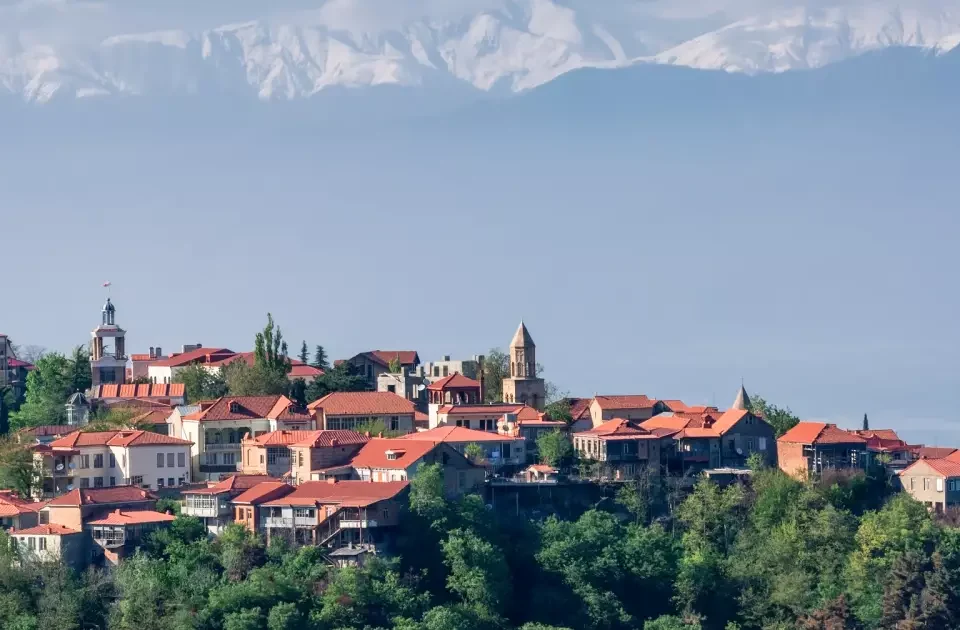
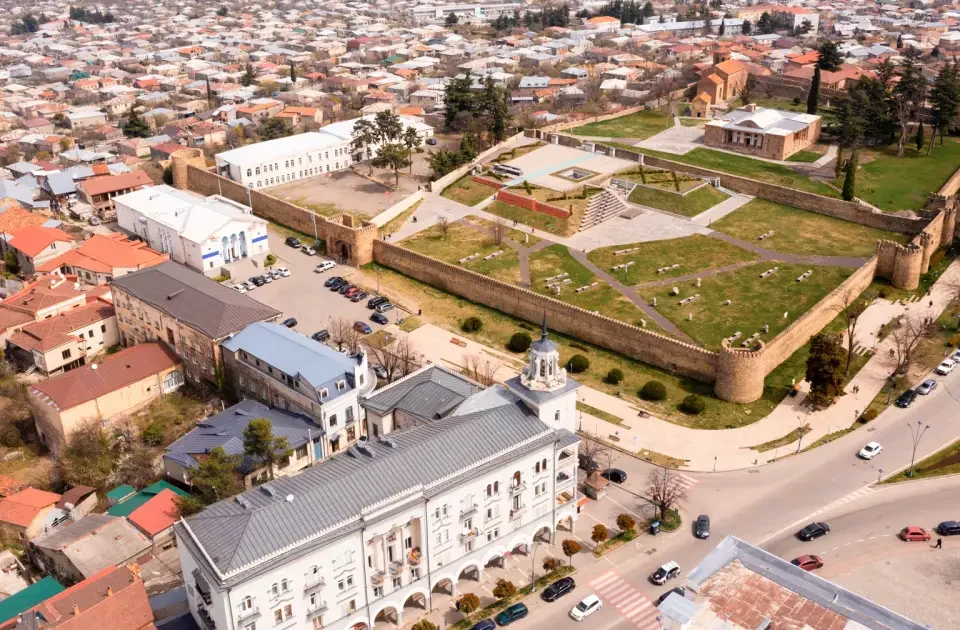
The prettiest town in Kakheti is wrapped in four kilometres of 18th-century wall with 23 towers and six gates. It was built by a king who had run out of other options.
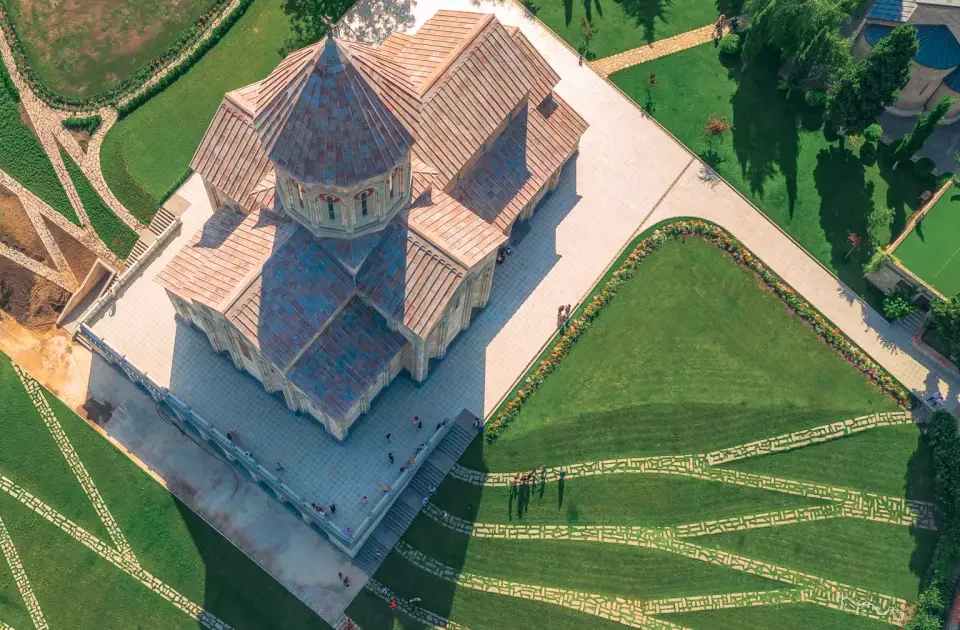
Two kilometres from Sighnaghi, in a garden of cypresses above the Alazani valley, is the grave of Saint Nino — the young woman who, in the year 337, turned Georgia Christian with a cross made of vine branches.
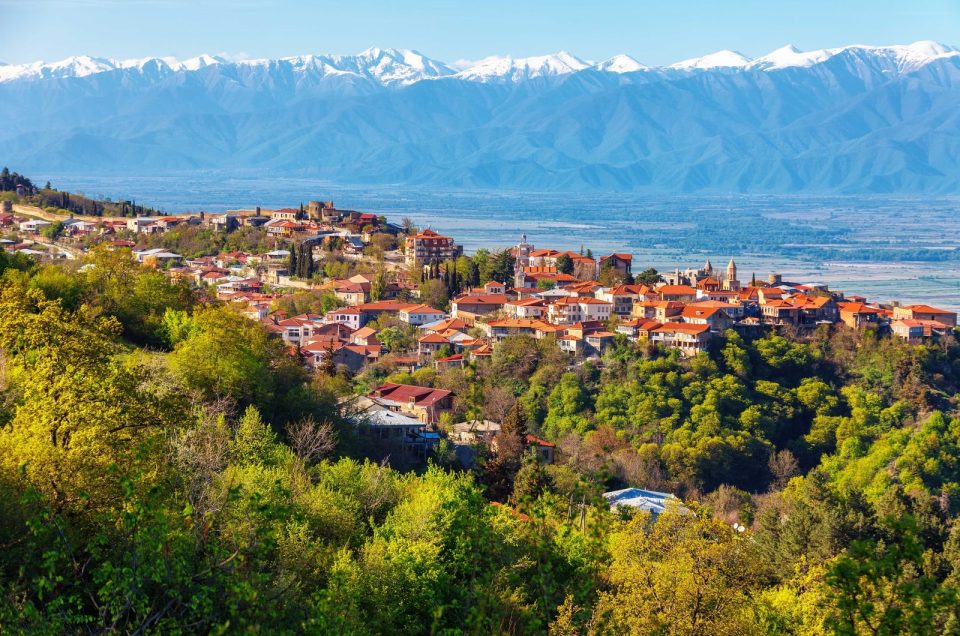
For four weeks every autumn, Kakheti stops being a region and becomes a single, enormous, slightly disorganised family event. Here is what you would do if you joined it.
The first glass of Georgian white wine surprises everyone: it is the colour of tea and tastes of walnuts and dried fruit. Here is what happened to it, and how to drink it well.
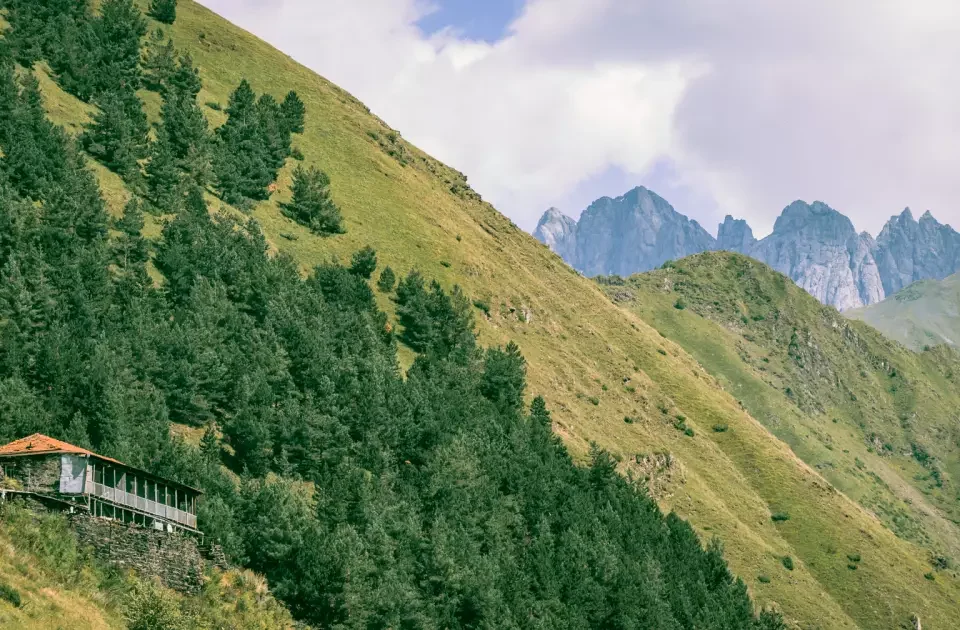
Twenty kilometres from Stepantsminda, up a dirt road that ends, is a village of a dozen houses and a wall of granite towers. Most day-trippers never get here. That is the point.
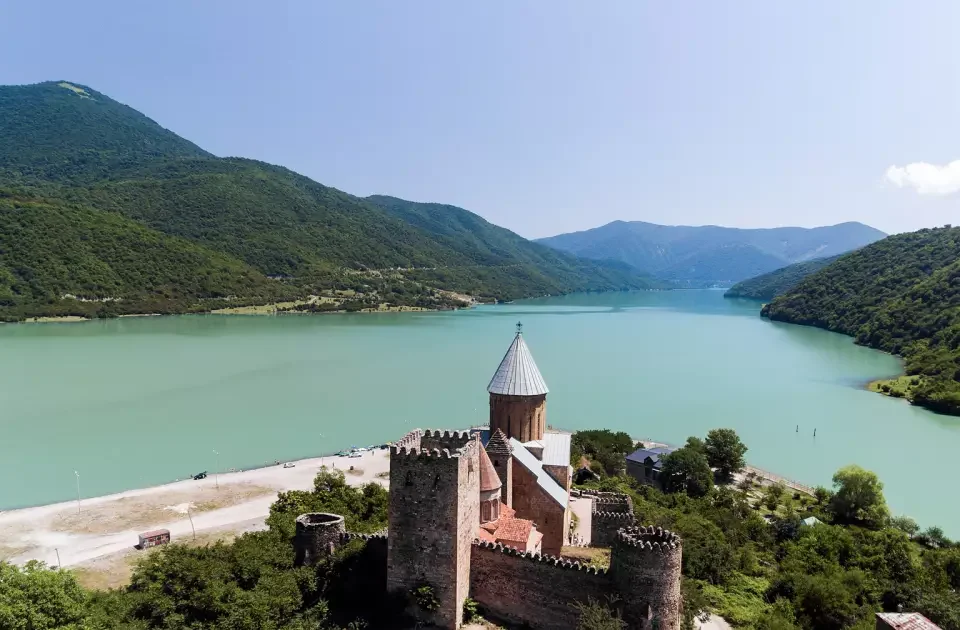
An hour from Tbilisi, a 17th-century castle sits above turquoise water. The castle is real. The lake arrived in 1986.
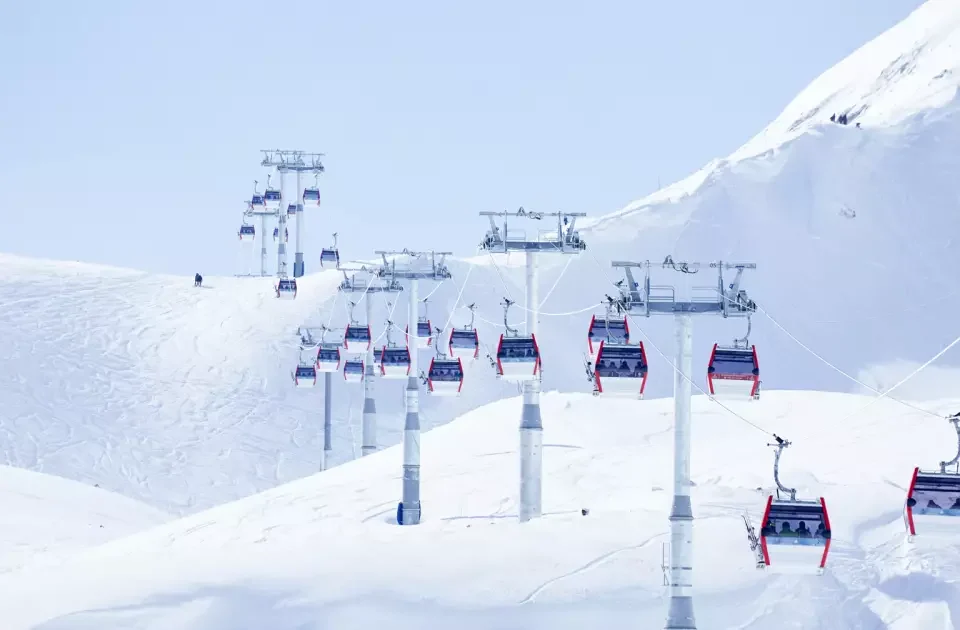
The Georgian Military Highway climbs to 2,395 metres over the Jvari pass — a road begun by Georgian kings, engineered by the Russians, and still the only paved crossing of the Great Caucasus for hundreds of kilometres.