
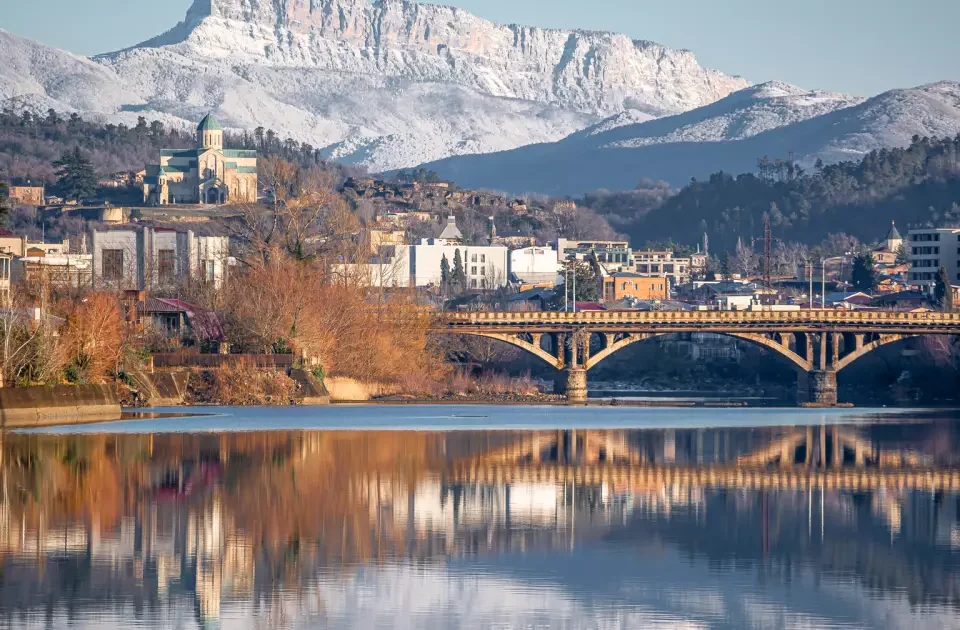
On two hills above Kutaisi, ten kilometres apart, stand the two buildings that announced Georgia as a kingdom — one raised by the king who united the country, one by the king who made it great. Together they are the west’s answer to Mtskheta.

On two hills above Kutaisi, ten kilometres apart, stand the two buildings that announced Georgia as a kingdom — one raised by the king who united the country, one by the king who made it great. Together they are the west’s answer to Mtskheta.
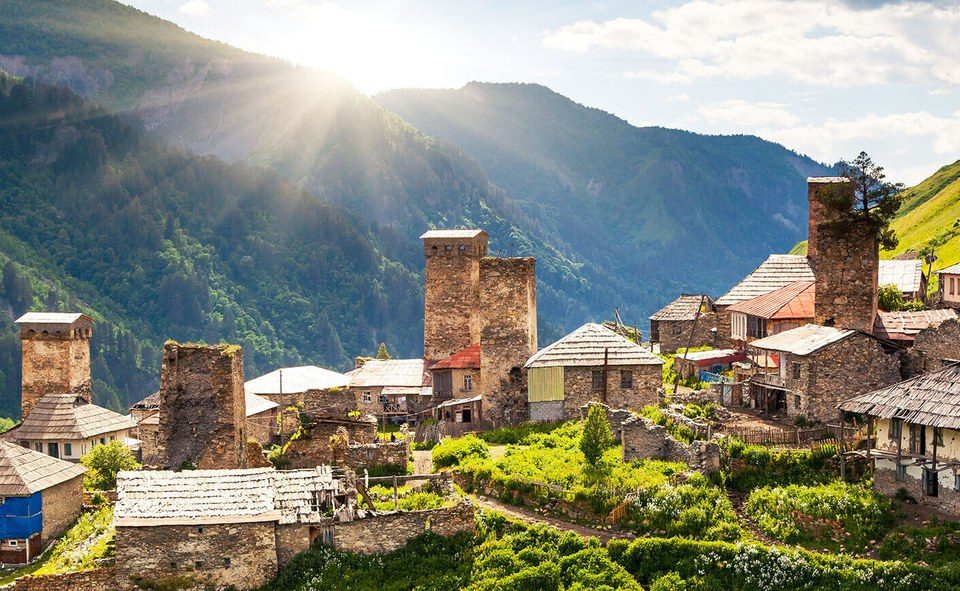
In Upper Svaneti, a valley at the top of Georgia, there are more medieval towers standing than in the whole of the rest of Europe. They were not built by lords. They were built by families — against each other.
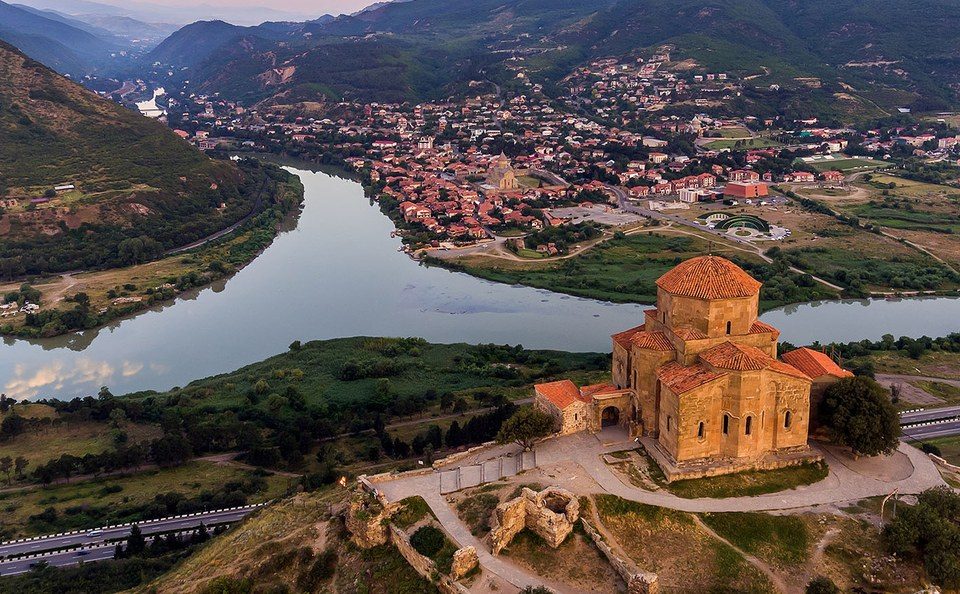
Twenty minutes from Tbilisi, the cathedral where Georgia’s kings are buried stands over a grave that, by tradition, holds the garment Christ wore to the cross. Whether or not you believe it, the story explains the country.
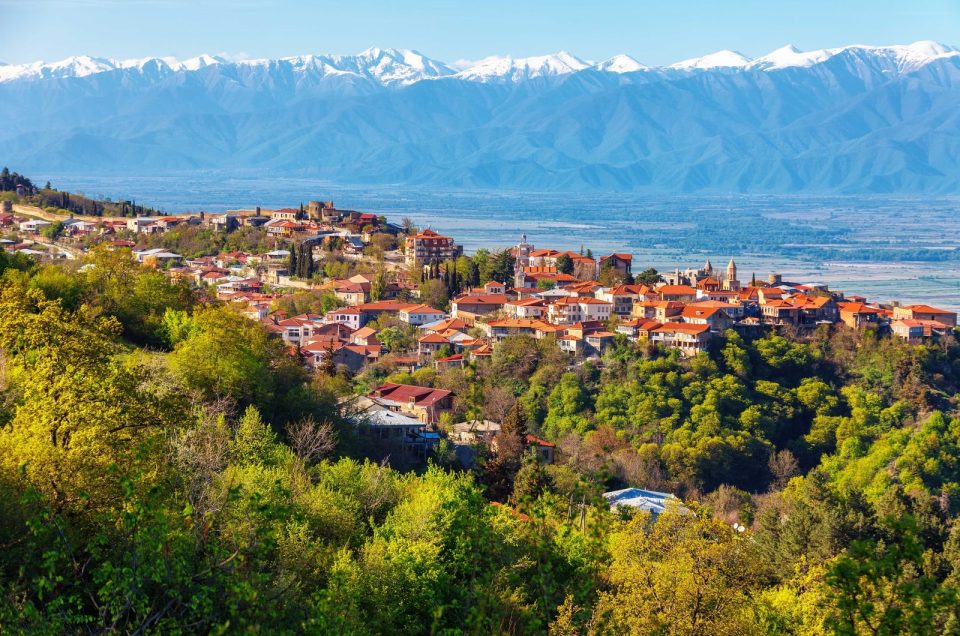
Eight thousand years ago someone in the Caucasus put crushed grapes into a clay pot, sealed it and buried it. Kakheti never stopped. Here is what happens underground, and why it matters to the glass in your hand.
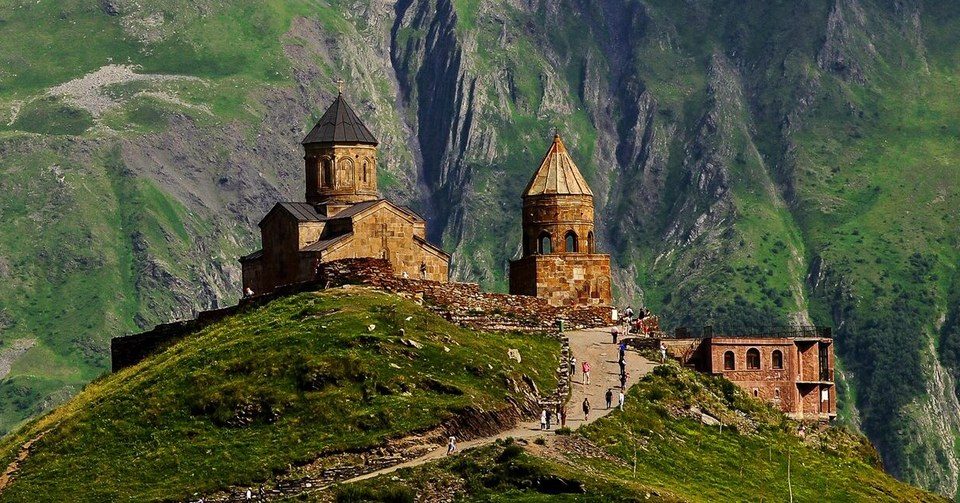
On a bare ridge at 2,170 metres, under the glacier of Mount Kazbek, stands the most photographed building in Georgia. It was never meant to be seen. It was meant to be reached.