By David Kiknadze, Transport & Openings Reporter · 26/10/2026
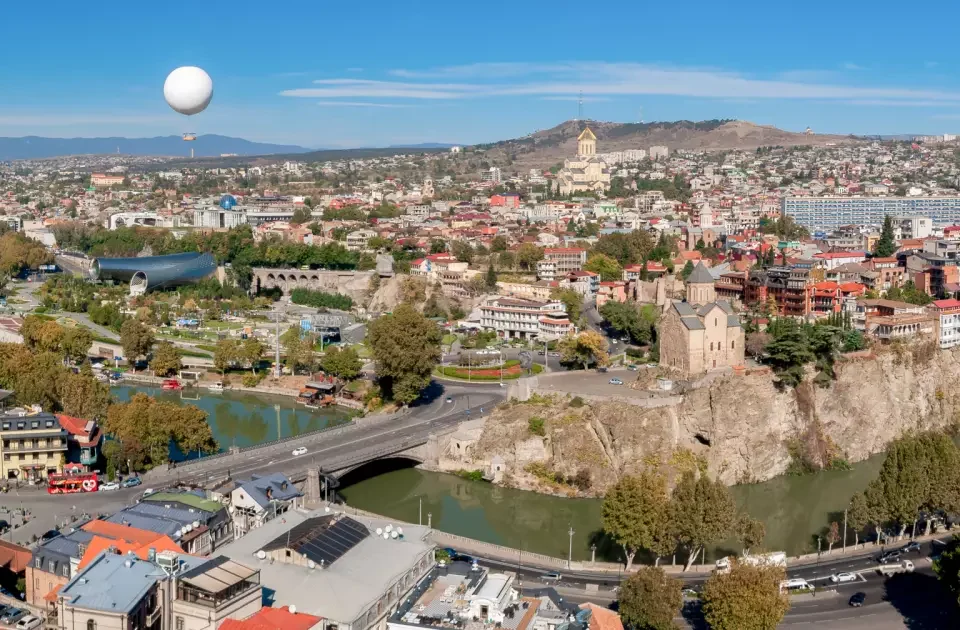
- Visit as a day trip from Tbilisi combined with Dmanisi and Tsalka Reservoir rather than an overnight stay, since village services and accommodation are minimal.
- Check current road status before travelling in October, as plateau altitude can bring early snow or poor rural track conditions this late in the season.
- Arrange a driver or guide with local language ability, since English is not widely spoken in Gomareti and mobile coverage is patchy across the plateau.
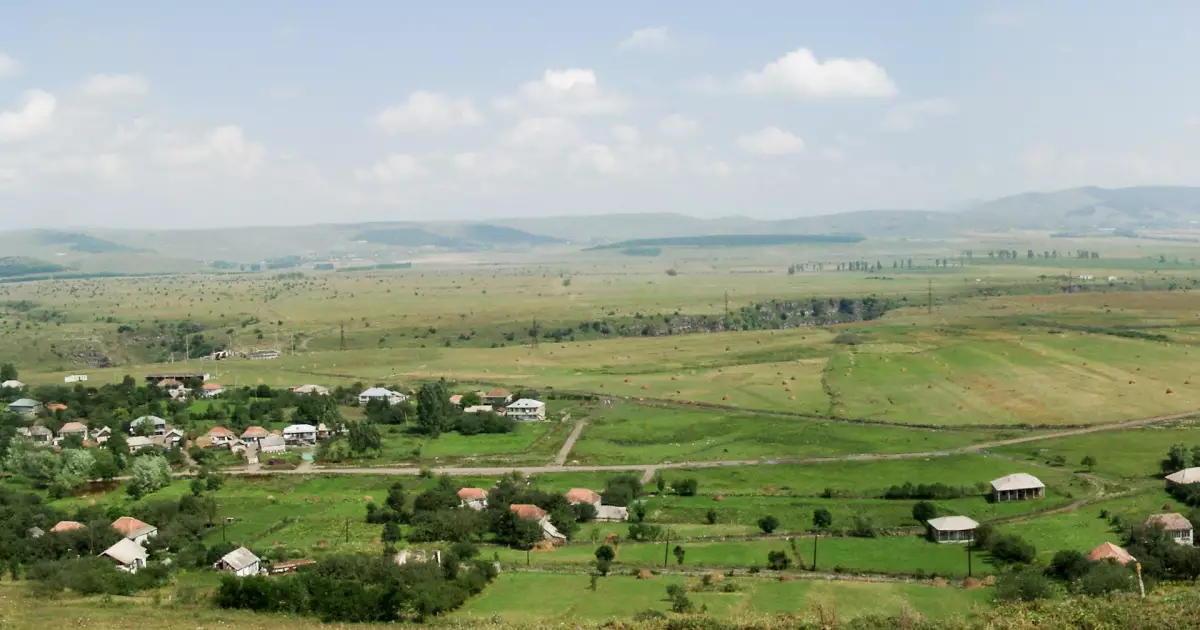
Gomareti will not appear on many Georgia itineraries, and that is rather the point. This rural village on the Trialeti plateau in Kvemo Kartli sits roughly two and a half hours by road from Tbilisi, in a landscape of rolling pastures, basalt outcrops and working farms that has shaped the region’s economy for generations. There are no major monuments here and no visitor infrastructure to speak of. What Gomareti offers instead is a genuine sense of place: a small natural lake with reed-fringed shallows, open highland scenery above 1,500 metres, and a demographic history worth knowing before you go, including the Greek and Armenian communities resettled here under Russian administration and the Greek emigration that reshaped nearby villages after 1991.
October sits at the edge of the comfortable travelling season on this plateau. The region is generally most accessible from May to September, and by late October the altitude makes for cold evenings and a real chance of early snow or deteriorating rural tracks, so checking road status before setting out is essential rather than optional. For travellers who do make the trip this month, the reward is quieter roads, autumn colour on the lower slopes, and a landscape largely emptied of summer agricultural activity, which makes the pastoral scenery easier to appreciate without the bustle of haymaking season.
Who it suits and what to combine it with
Gomareti suits independent-minded travellers with a car or private driver, an interest in archaeology or rural history, and a tolerance for basic services. It is not a destination for those wanting restaurants, shops or reliable mobile coverage; expect none of these in the village itself. The strongest case for visiting is combining Gomareti with the wider Kvemo Kartli region on a single day trip from Tbilisi: the nearby Tsalka Reservoir offers shoreline walks, while further south the Dmanisi archaeological site, internationally significant for hominin fossils roughly 1.8 million years old, turns the excursion into a genuinely substantial day out. The Trialeti plateau itself is also notable for Bronze Age kurgan burials excavated from the 1930s onward, whose gold and silver finds now sit in the Georgian National Museum.
EdisDacha, a registered gastronomy stop in the area, is a sensible place to break the journey for food, since dedicated accommodation in Gomareti itself is limited. Most visitors base themselves in Tbilisi and treat the village as part of a longer loop rather than an overnight stop.
Read more on gtour.ge: Gomareti
What to see — a daily GTour desk feature drawn from the verified-place register and our destination guides. Not sponsored.
Been to Georgia? Tell us how it went — the best stories are published here.
Share your tripOne email a week: what changed for travellers in Georgia — rules, roads, flights, seasons — plus one place worth the trip. Written by the GTour desk, no advertising, unsubscribe in one click.
This story across our partner network — ქართულად: შენი დასვენება · შენი ამბები
One email a week: what changed for travellers in Georgia — rules, roads, flights, seasons — plus one place worth the trip. Written by the GTour desk, no advertising, unsubscribe in one click.
Planning a trip to Georgia?
GTour runs private tours with English-speaking guides from Old Tbilisi. See all tours or ask the desk on WhatsApp +995 577 416 314.
Source: Georgian National Museum (museum.ge). Reported by the GTour desk; updated 22 October 2026, 12:02 (Tbilisi).