Archives


Autumn Beer Festival in Georgia: dates, meaning and how to experience it
Next dates
10 September 2027 – 12 September 2027 (to be confirmed) · Dedaena Park, Tbilisi. See the full events calendar and Georgia today for roads and weather.
What it is
The Autumn Beer Festival (Georgian: shemodgomis ludis festivali, შემოდგომის ლუდის ფესტივალი — from shemodgoma, “autumn”, and ludi, “beer”) is an open-air weekend gathering of Georgian craft and independent breweries, held each September in Dedaena Park on the left bank of the Mtkvari River in central Tbilisi. Unlike most entries on Georgia’s festive calendar, it is a private, secular event rather than a religious feast or a state-decreed holiday, organised by brewers and event producers rather than the church or a government body.
It is celebrated, in a loose sense, by Tbilisi’s urban population, resident expatriates, and visitors curious about a side of Georgian drinking culture that sits outside the country’s famous wine tradition. Small and medium breweries use the weekend to pour seasonal and year-round beers side by side, while local food vendors, musicians and craftspeople set up around them. The festival belongs to a newer layer of Georgian public life — food and drink festivals that have multiplied in Tbilisi since the 2010s — rather than to the ancient feast cycle associated with Georgian Orthodox Christianity or pre-Christian agricultural rites.
Historical background
- Prehistory — Barley cultivation and fermented grain drinks are attested across the South Caucasus from early antiquity, though Georgia’s documented beverage culture has centred overwhelmingly on viticulture rather than grain brewing.
- Traditionally, pre-modern era — In the highland communities of Pshavi and Khevsureti, households have long brewed a barley ale known as lude, kept for communal religious feasts such as Atengenoba and Lomisoba rather than for everyday drinking.
- 1870s–1880s — European-style, industrial-scale brewing is introduced to Tbilisi under Russian imperial administration, establishing the city’s first commercial breweries.
- 1921–1991 — Under Soviet rule, state-run breweries and public beer halls become a fixture of urban social life in Tbilisi and other Georgian cities.
- 1990s — Following independence, the Soviet-era brewing industry contracts; imported and internationally licensed beers come to dominate the local market.
- 2010s — A new generation of small independent and craft breweries opens in Tbilisi, part of a wider craft-beer movement across the South Caucasus.
- Mid-2010s onward — An autumn beer festival format emerges in Tbilisi, eventually settling at Dedaena Park as the riverside site develops into a public green and cultural space.
- 2020 — The festival is paused in line with the cancellation of most public gatherings in Georgia during the pandemic year.
- 2020s — The festival resumes as an annual, informally fixed September date, with organisers confirming exact days closer to the event each year.
Georgia’s deepest and best-documented drinking tradition is wine, not beer: the country’s qvevri method of fermenting and ageing wine in large buried clay vessels is thousands of years old and was inscribed by UNESCO as Intangible Cultural Heritage in 2013. Against that long backdrop, the mountain tradition of home-brewed lude and the 19th-century arrival of industrial brewing represent much smaller, more localised threads in the national beverage story, and the modern festival format is smaller still — a recent civic invention rather than an inherited custom.
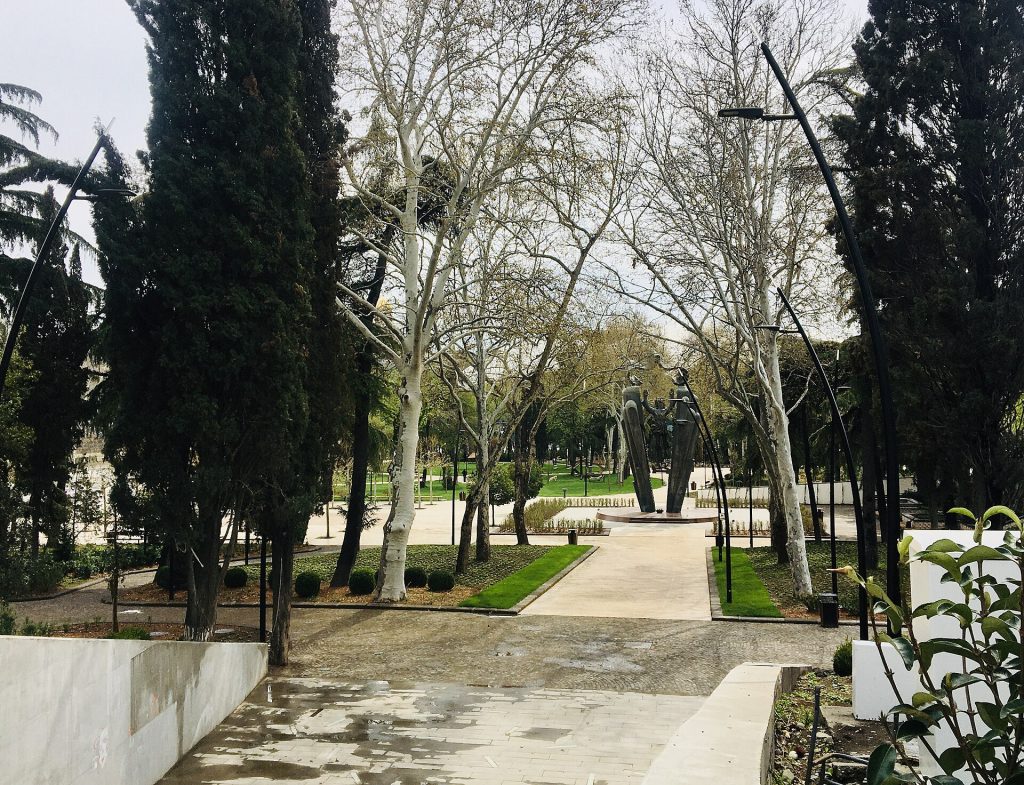
Dedaena Park itself reflects this modern layer of Tbilisi life. The site, along a once-industrial stretch of the Mtkvari riverbank, has been redeveloped in recent years into one of the city’s active public parks, hosting concerts, markets and festivals that did not exist there a generation ago. The Autumn Beer Festival is one of several such events that have grown up around this reclaimed riverside space, reflecting Tbilisi’s expanding, informally organised festival culture rather than a continuation of older agricultural or liturgical feast cycles.
Meaning and traditions
At its core the festival is a tasting event: visitors buy tokens or tickets and sample pours from a row of brewer stalls, pairing beer with Georgian street food such as khinkali (dumplings) and mtsvadi (grilled skewered meat), alongside more international festival fare. Brewers typically present seasonal autumn beers alongside their standard range, and conversation with the people pouring is encouraged — Georgian craft brewing is still small enough that many founders staff their own stands.
Georgian vocabulary useful on the day includes ludi (beer), ludsakhli (literally “beer house”, a pub), and the universal toast gaumarjos (“let [it/them] be victorious”, used informally to mean “cheers”). This differs from the formal wine toast tradition led by a tamada (toastmaster) at a Georgian supra feast, which remains tied to wine rather than beer and is rarely replicated in full at a beer festival. Live Georgian and international bands, local craft stalls and children’s areas are common additions, making the event as much a family afternoon as a drinking occasion. The older rural counterpart — home-brewed lude served at highland religious feasts in Pshavi and Khevsureti — is a separate, much older custom not performed at the Tbilisi festival, but it is worth knowing as the deeper root of the Georgian word for “beer” itself.
When it happens
There is no fixed formula tying the Autumn Beer Festival to a religious or civil calendar date, unlike Georgia’s Orthodox feast days. In practice it falls on a weekend in early-to-mid September, timed to mild early-autumn weather in Tbilisi, with exact dates confirmed by organisers a few months ahead rather than announced years in advance. The 2026 edition took place in September 2026; the next planned dates are 10–12 September 2027, described by organisers as to be confirmed. It is not a public holiday: government offices, schools, shops and transport operate on their normal schedule, and the only visible local effect is increased footfall and some road or pedestrian management immediately around Dedaena Park.
Where to experience it
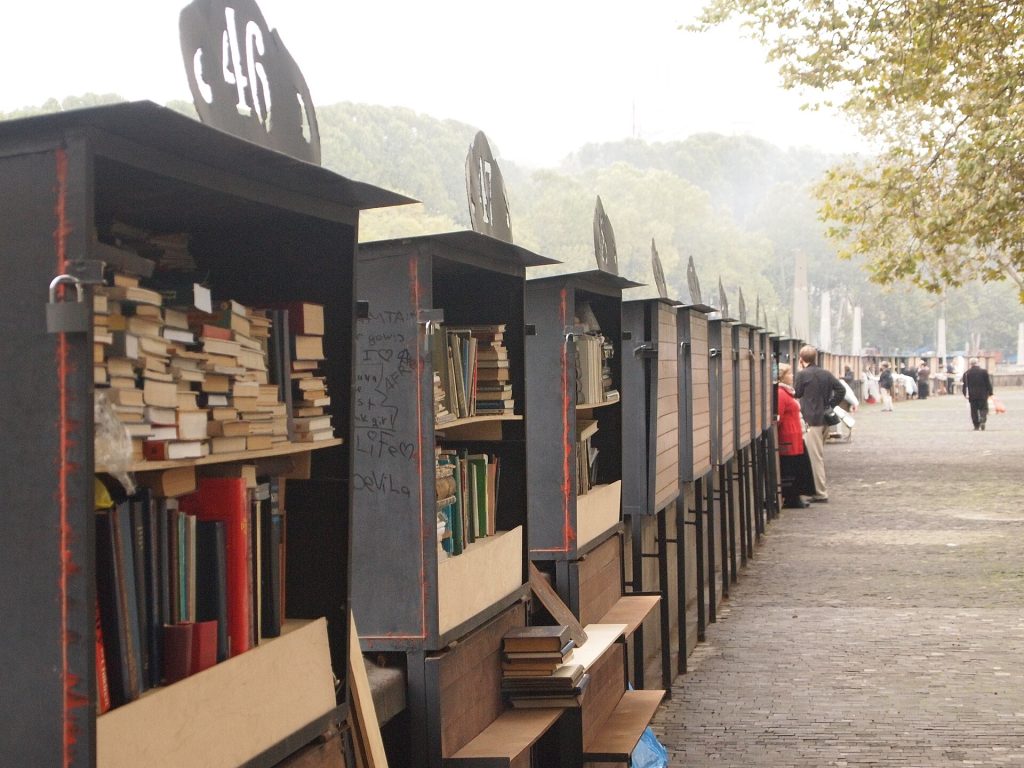
Dedaena Park sits on the left bank of the Mtkvari River near the Dinamo Arena area, within easy walking distance or a short taxi ride from central Tbilisi hotels around Rustaveli Avenue and Freedom Square. On festival days, visitors find rows of brewer tents and communal tables set up through the afternoon into the evening, a music stage, and food vendors along the riverside paths; entry is typically through a gate where tickets or tasting tokens are purchased. There is no church etiquette involved, since the event is entirely secular, but general Georgian hospitality norms apply: if invited to share a toast by a stranger, it is polite to briefly reciprocate rather than ignore it, and moderate public drinking within the festival grounds is accepted while disorderly behaviour is not.
Travel with GTour
Since both Georgia in 10 Days — Tbilisi to Svaneti to the Sea and Tbilisi & Mtskheta — The Essential First Day begin in the capital, either can open with a stroll through Dedaena Park on a mid-September weekend, when local brewers set up along the river. A GTour travel expert will confirm the festival dates and arrange the opening day of your route accordingly.
Did you know
- Georgia’s ancient qvevri wine-making method was inscribed by UNESCO as Intangible Cultural Heritage in 2013, making wine, not beer, the country’s internationally recognised beverage tradition.
- The Georgian word for commercial beer, ludi, is the same root used for the older home-brewed barley ale historically made in the highland regions of Pshavi and Khevsureti.
- Traditional mountain lude is brewed for specific religious feast days, such as Atengenoba, rather than sold or drunk as a daily beverage.
- Dedaena Park occupies a formerly industrial stretch of Tbilisi’s riverbank that has been redeveloped into public green and event space only in recent years.
- Craft brewing is a largely post-2010 development in Georgia, arriving decades after the country’s industrial Soviet-era breweries and well over a thousand years after its wine tradition.
Practical tips for visitors
Dedaena Park is reachable on foot from much of central Tbilisi, or by taxi and ride-hailing apps, which are widely used and inexpensive in the city; organisers typically advise against driving directly to the park on festival days due to limited parking. Early September weather in Tbilisi is generally mild and dry by day, cooling in the evening, so light layers are sensible, along with comfortable shoes for standing and walking between stalls. The event is outdoors and weather-dependent; check organiser announcements close to the date for ticket details, opening hours and any changes. As with any festival involving alcohol, moderation is expected, and designated transport home should be planned in advance, since public drink-driving laws in Georgia are strictly enforced.
Combine it with
Visitors in Tbilisi for the festival can extend their stay with a short trip to Kakheti, Georgia’s principal wine region, to see the qvevri tradition that underpins the country’s deeper beverage heritage. Those staying in the capital can pair the festival with wider sightseeing across Tbilisi, while travellers continuing west may combine it with a visit to Imereti, home to its own food and market traditions.
Questions travellers ask
Is the Autumn Beer Festival a public holiday in Georgia?
No. It is a private cultural and commercial event with no official holiday status, and businesses, offices and schools operate normally on its dates.
Do I need to book tickets in advance?
Advance booking is generally recommended if organisers offer online tickets, since popular festival weekends can see queues at the gate; check the current year’s announcements closer to the event.
Is the festival suitable for families?
Many editions include food stalls, music and open green space that work well for a family afternoon visit, though the core focus remains beer tasting aimed at adults.
How is this different from Georgia’s wine festivals?
Georgian wine festivals, such as those tied to the autumn grape harvest, connect to an ancient, UNESCO-recognised winemaking tradition, while the Autumn Beer Festival reflects a much newer, modern craft-brewing scene with no religious or historical feast-day origin.
What should I wear?
Casual outdoor clothing suitable for standing and walking is appropriate, with a light jacket for cooler evening hours, since the event takes place entirely outdoors in a park setting.
Can I bring children or pets?
Policies vary by year and organiser; it is best to check current festival rules, as outdoor public festivals in Tbilisi are often family-accessible but alcohol sales areas may have specific restrictions.
How do I get to Dedaena Park?
The park is within walking distance of central Tbilisi or a short taxi or ride-hailing trip; driving is discouraged on festival days due to limited parking near the venue.
What happens if the dates change or the festival is cancelled?
Because dates are confirmed by private organisers each year rather than fixed by law or church calendar, visitors should verify current information shortly before travel, particularly for the 2027 edition, which remains to be confirmed.
Sources
- Georgian National Tourism Administration
- Tbilisi City Hall
- Ministry of Culture, Sport and Youth of Georgia
- UNESCO — Ancient Georgian traditional qvevri wine-making method
- Agenda.ge
- Georgia Today
- Civil.ge
- Georgia Today report (2025)
Plan your Georgia
Want to be in Georgia for Autumn Beer Festival? A GTour travel expert designs the itinerary around it and calls you back.
Dedaena Park in Tbilisi, the riverside venue that hosts the Autumn Beer Festival. · Photo: DDohler / Wikimedia Commons, CC BY 2.0
This page in other languages: Русский
GTour conciergeAsk anything about Georgia · we reply within hours