

By Prof. Giorgi Pkhakadze, MD, MPH, PhD · 15/09/2026
Updated 23 October 2026
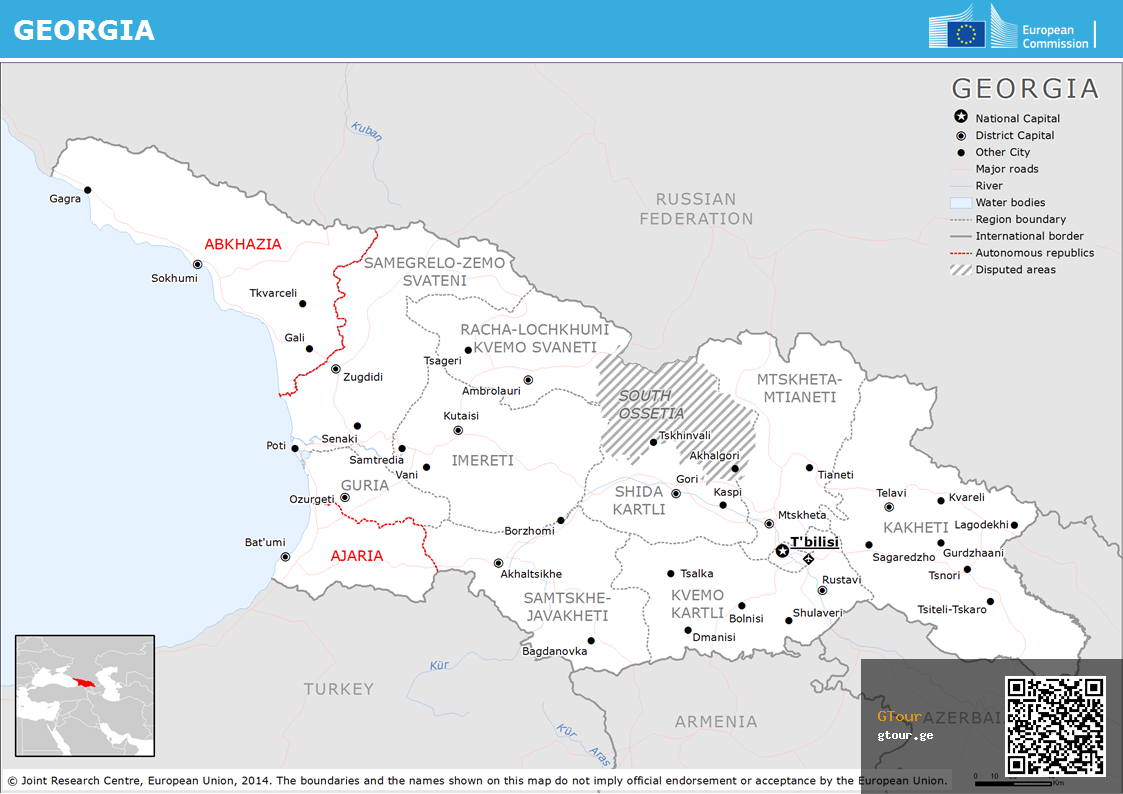
You see Alaverdi long before you reach it. On the flat floor of the Alazani valley, twenty kilometres from Telavi, a single pale cone rises above the vines and the poplars: the dome of a cathedral that, when it was finished around 1010, was the tallest building in Georgia and would have been among the tallest in Christendom. Chartres and Cologne were not yet begun. For half a millennium nothing in Georgia stood higher.
Who built it
The cathedral of Saint George was raised by King Kvirike III of Kakheti on the site of a 6th-century monastery founded by Joseph of Alaverdi, one of the thirteen Syrian fathers who brought monasticism to Georgia. Kakheti was then a separate kingdom, and Alaverdi was its statement: a triconch church on a monumental scale, plain outside, soaring inside, with a drum and dome that the eye cannot quite take in from the floor. Earthquakes brought the dome down twice; Persian armies burned it; Tamerlane’s troops used it as a stable. Each time it was rebuilt to its original height.
Inside
The interior is almost bare — whitewashed in the 19th century over medieval frescoes, some of which have been uncovered: a 15th-century Virgin in the apse, fragments of saints on the piers. The bareness is the point. The space is fifty metres from floor to dome, lit from the high windows, and silent; visitors tend to stop talking without being asked. The graves in the floor are Kakhetian kings and queens. A cloister of monks’ cells, a bell tower, a refectory and the ruins of a Persian governor’s summer palace stand inside the fortress wall around it.
The wine
Alaverdi has made wine since the 11th century, and the monks resumed after the Soviet interruption in 2006 in the original cellar, with the original qvevri, some of which are a thousand years old. Their Rkatsiteli and Saperavi are sold under the monastery’s name and served at the tasting room by the gate — a monastery wine tasted in view of the monastery is a Kakhetian experience with few equals. Alaverdoba, the festival in late September, brings the whole region to the walls for a week of prayer, trading and, inevitably, wine.
Nearby
Ikalto, ten minutes south, is the ruined academy where Shota Rustaveli, Georgia’s national poet, is said to have studied in the 12th century; its wine-press courtyard and vine-carved stones are the origin story of Kakhetian viticulture. Together with Alaverdi it makes a morning; Telavi, with lunch and the palace, makes the afternoon.
See it with GTour
Alaverdi and Ikalto open the Telavi & Kakheti day and the first day of the Grand Wine & Heritage tour; they are also the second morning of the Rtveli harvest tour.
This story in Georgian — ქართულად: shenidasveneba.ge
Quick answers
Why is Alaverdi Cathedral so significant historically? When completed around 1010, Alaverdi's dome made it the tallest building in Georgia, and it would have ranked among the tallest in Christendom at the time. It held that height record for five centuries, predating famous European cathedrals like Chartres and Cologne.
Who built the cathedral and on what site? King Kvirike III of Kakheti built the Cathedral of Saint George on the site of a 6th-century monastery founded by Joseph of Alaverdi, one of the thirteen Syrian fathers who introduced monasticism to Georgia. Kakheti was then an independent kingdom, and the cathedral served as a grand statement of its power.
What has Alaverdi survived over the centuries? The cathedral's dome collapsed twice in earthquakes, it was burned by Persian armies, and Tamerlane's troops even used it as a stable. Each time, it was rebuilt to its original towering height.
What can visitors see inside the cathedral? The interior is largely bare, having been whitewashed in the 19th century over medieval frescoes, though some have been uncovered, including a 15th-century Virgin in the apse and fragments of saints on the piers. The space soars fifty metres from floor to dome, and graves of Kakhetian kings and queens lie in the floor.
Is Alaverdi still involved in winemaking? Yes, Alaverdi has made wine since the 11th century, and the monks resumed the tradition in 2006 after the Soviet interruption, using the original cellar and some qvevri that are a thousand years old. Their Rkatsiteli and Saperavi wines are sold under the monastery's name and can be tasted at the tasting room by the gate.
What festival takes place at Alaverdi? Alaverdoba is a festival held in late September that draws the whole region to the monastery walls for a week of prayer, trading, and wine.
What is nearby Alaverdi worth visiting? Ikalto, just ten minutes south, is the ruined academy where Georgia's national poet Shota Rustaveli is said to have studied in the 12th century, featuring a wine-press courtyard and vine-carved stones considered the origin of Kakhetian viticulture. Together with Alaverdi, it makes for a full morning, with Telavi and its palace suited for the afternoon.
Photo: ERCC – Emergency Response Coordination Centre / Wikimedia Commons, Public domain
Been to Georgia? Tell us how it went — the best stories are published here.
Share your tripქართულად: ალავერდი — ტაძარი, რომელზე მაღალი ევროპაში 500 წელი არაფერი აშენდა
This story across our partner network — ქართულად: შენი დასვენება
