Archives


Telavi International Music Festival in Georgia: dates, meaning and how to experience it
Next dates
18 September 2027 – 25 September 2027 (to be confirmed) · Telavi, Kakheti. See the full events calendar and Georgia today for roads and weather.
What it is
The Telavi International Music Festival is a chamber-music gathering held each autumn in Telavi, the historic capital of Kakheti in eastern Georgia. There is no single Georgian word that gives the event its name — it is known locally as “Telavis saertashoriso musikaluri festivali,” a straightforward description meaning “Telavi’s international music festival” rather than a term tied to church calendar or folk custom. It belongs to the modern tradition of Georgian performing-arts festivals rather than to the religious or agricultural feast days that structure most entries on this page, and it is celebrated primarily by musicians, students, and audiences rather than by the whole population on a day off work.
Founded by the pianist Eliso Virsaladze, a native of Tbilisi with deep family roots in Kakheti, the festival gathers established performers and younger laureates for recitals of piano, strings and chamber ensembles over roughly a week. It is one of a handful of festivals, alongside the Tsinandali Festival held nearby, that have turned Kakheti’s wine country into a seasonal stage for classical music, drawing visitors who combine concerts with the region’s vineyards, monasteries and the autumn grape harvest known as rtveli.
Historical background
- 1942 — Eliso Virsaladze is born in Tbilisi into a family of musicians; she later studies at the Tbilisi and Moscow conservatories and becomes one of the leading Soviet and Georgian pianists of her generation.
- 1960s–1970s — Virsaladze builds an international performing career and begins teaching at the Moscow Conservatory and the Tbilisi State Conservatoire, training generations of pianists in both cities.
- 1984 — Virsaladze founds the Telavi festival, bringing colleagues and students from Moscow and Tbilisi to perform chamber recitals in her mother’s home town during the quiet weeks after the grape harvest begins.
- Late 1980s–1990s — the festival continues through the final Soviet years and, according to organisers, through the political and economic upheaval that followed Georgian independence in 1991, when touring musicians faced currency collapse and fuel shortages.
- 2000s — the programme widens to include more international guest artists and young prizewinners, performed in Telavi’s historic halls and museum spaces.
- 2010s — the festival becomes a fixed point on Georgia’s autumn cultural calendar, promoted alongside other Kakheti events by the national tourism administration and the Ministry of Culture, Sport and Youth.
- 2020 — the edition is disrupted by COVID-19 pandemic restrictions affecting cross-border travel and public gatherings across Georgia.
- 2026 — the festival returns to its usual late-September slot, held 19–26 September in Telavi.
Telavi’s connection to music and learning predates the festival by centuries. The town served as the capital of the Kingdom of Kakheti and, under King Erekle II in the eighteenth century, as a centre of court culture that patronised poetry, manuscript copying and liturgical chant alongside statecraft. The nineteenth and twentieth centuries added a formal conservatory tradition to Georgian cities, rooted in institutions such as the Tbilisi Conservatoire, which trained the pianists, violinists and cellists who would later carry Georgian classical performance abroad — Virsaladze among them.
Her decision to found a festival not in Tbilisi but in Telavi reflected both personal history and a broader instinct, shared by Georgian musicians of her generation, to bring serious chamber repertoire out of the capital and into a region known internationally chiefly for its vineyards and monasteries. Four decades on, the festival has become part of how Kakheti presents itself to visitors: an argument that the region’s identity rests as much on cultivated culture as on cultivated land.
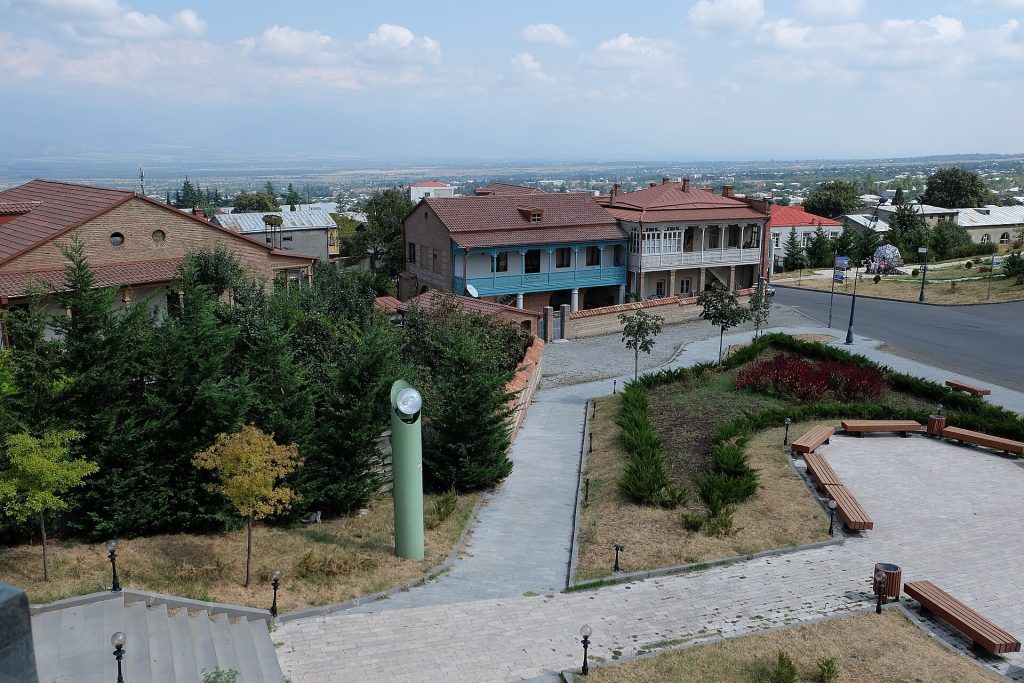
Meaning and traditions
The festival’s core activity is the recital: an evening of piano, string quartet or mixed chamber music performed in an intimate hall rather than a large auditorium, in keeping with the genre’s name — chamber music, music meant for a room rather than a stage built for an orchestra. Programmes typically draw on the central European and Russian repertoire — Schubert, Brahms, Tchaikovsky, Shostakovich — alongside Georgian composers, performed by a mix of senior artists and younger laureates invited to play beside their teachers.
Audiences in Telavi treat concerts as occasions for quiet, attentive listening, with applause reserved until the end of a full work rather than between movements, a convention familiar to chamber-music audiences anywhere. Evenings often extend into informal gatherings afterward, where local Kakhetian hospitality asserts itself: a supra, the traditional Georgian feast table, with toasts led by a tamada (toastmaster) and wine poured from the region’s qvevri clay vessels, a winemaking method recognised by UNESCO’s Intangible Cultural Heritage list. Masterclasses for conservatory students are often held alongside the public concerts, continuing the pedagogical thread that runs through Virsaladze’s own career.
There are no fixed ritual foods or songs attached to the festival itself, unlike church feasts; what visitors encounter instead is Kakhetian autumn hospitality layered onto a concert season — the rtveli grape harvest, open cellar doors, and churchkhela (walnut-and-grape-juice candy) sold alongside festival posters in Telavi’s main square.
When it happens
The festival has no link to the church calendar; its dates are set by the organisers each year, traditionally in the second half of September, after the main grape harvest begins but before autumn weather turns cold. Exact dates vary from year to year and are confirmed closer to the season.
The 2026 edition ran from 19 to 26 September 2026. The next edition is provisionally scheduled for 18–25 September 2027, with dates to be confirmed by the organisers nearer the time. The festival is not a public holiday: government offices, schools and most businesses in Telavi operate normally throughout, and only ticketed concert venues follow a festival schedule.
Where to experience it
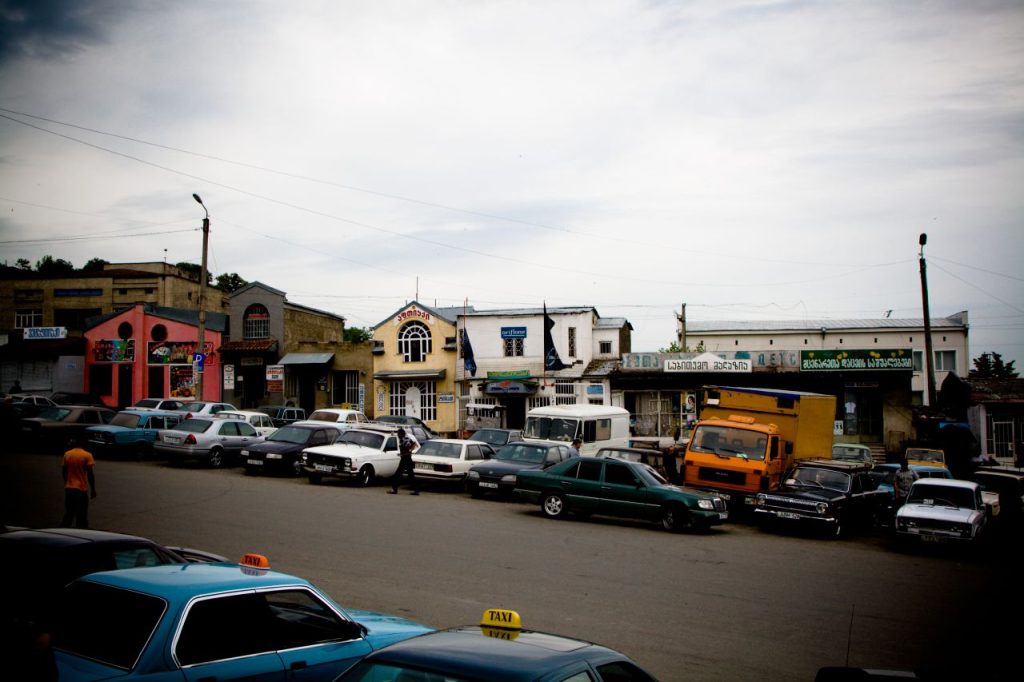
Concerts are held in Telavi’s historic venues, which typically include halls within the Batonis Tsikhe (the fortress and former royal residence now housing a museum complex) and auditoriums connected to local cultural institutions; some festivals of this kind also stage occasional performances near Alaverdi Monastery, one of Kakheti’s most important medieval cathedrals, a short drive from the town centre. Visitors should check listings for the exact venue and starting time of each concert, since halls are small and seating is limited.
Etiquette for concerts follows standard classical-music practice: arrive before the stated start time, silence phones, and avoid applause between movements of a single work. If a performance takes place on monastery grounds, visitors should dress modestly — covered shoulders and knees — as they would for any visit to an active Georgian Orthodox church.
Travel with GTour
The three-day Rtveli — Wine Harvest in Kakheti (3 Days, September–October) tour runs through Telavi during harvest season, allowing an evening at the chamber-music festival to be folded between vineyard visits if the confirmed dates align. A GTour travel expert reviews the festival schedule and arranges the route, including the Racha — Khvanchkara Wine & Mountain Lakes (2 Days) tour, around the guest’s travel dates.
Did you know
- Eliso Virsaladze, the festival’s founder, holds the title People’s Artist and has taught at both the Moscow and Tbilisi conservatories across her career.
- Telavi was the capital of the independent Kingdom of Kakheti before Georgia’s eastern and western kingdoms were later unified.
- Kakheti’s traditional qvevri winemaking method, central to the region’s hospitality, is inscribed on UNESCO’s Representative List of Intangible Cultural Heritage.
- The festival’s founding predates Georgian independence by seven years, having begun while Georgia was still a Soviet republic.
- September concerts in Telavi overlap with rtveli, the region’s annual grape harvest, when many family cellars open informally to guests.
Practical tips for visitors
Telavi lies roughly 90 kilometres east of Tbilisi, a drive of about two hours on the regional highway; there is no rail passenger service directly to the town, so most visitors arrive by road. September is Kakheti’s busy harvest season, so accommodation in and around Telavi should be booked well ahead of the festival dates. Weather is typically mild and dry in late September, but evenings cool quickly, so a light jacket is useful for outdoor venues. Smart-casual dress is appropriate for concerts; modest dress is required for any church or monastery visit. GTour arranges a private driver or guide for the day for visitors who prefer not to self-drive between Tbilisi and Telavi.
Combine it with
The festival sits naturally alongside a wider visit to Kakheti, Georgia’s principal wine region, with its monasteries, vineyards and harvest traditions. Many visitors pair the trip with time in Tbilisi, departure point for most road transport and home to the Tbilisi State Conservatoire where many festival performers have studied or taught.
Questions travellers ask
Is the Telavi International Music Festival a public holiday in Georgia?
No. It is a cultural event, not a state or religious holiday, and does not affect working hours, school schedules or business opening times in Telavi or elsewhere.
Do I need to buy tickets in advance?
Given the small size of Telavi’s concert venues, booking ahead is strongly advised, particularly for well-known performers or the opening and closing concerts.
How do I get from Tbilisi to Telavi?
Telavi is about a two-hour drive from Tbilisi by road; there is no direct passenger rail link, so visitors typically travel by private car, organised tour transport, or shared minivan.
Is the festival only for classical-music specialists?
No. Programmes are designed for general audiences as well as connoisseurs, and many visitors attend as part of a broader Kakheti wine-and-culture trip rather than for specialist musical interest alone.
What should I wear to a concert?
Smart-casual attire is appropriate for most venues; if a performance is held on monastery grounds, visitors should dress modestly, covering shoulders and knees.
Can I combine the festival with the grape harvest season?
Yes. The festival’s late-September dates overlap with rtveli, Kakheti’s grape harvest, when many wineries and family cellars welcome visitors alongside the evening concert schedule.
Are the exact festival dates fixed every year?
No. Dates vary annually within the second half of September and are confirmed by organisers closer to the season, so visitors should check current listings before booking travel.
Is this the same event as the Tsinandali Festival?
No. They are separate festivals held in different Kakhetian towns, though both fall in late summer or early autumn and draw on the region’s classical-music and wine-tourism appeal.
Sources
- Georgian National Tourism Administration
- Ministry of Culture, Sport and Youth of Georgia
- Tbilisi State Conservatoire
- UNESCO Intangible Cultural Heritage – Qvevri wine-making
- Agenda.ge
- Civil.ge
Plan your Georgia
Want to be in Georgia for Telavi International Music Festival? A GTour travel expert designs the itinerary around it and calls you back.
Pianist Eliso Virsaladze, founder of the Telavi International Music Festival, performing on stage. · Photo: Amadalvarez / Wikimedia Commons, CC BY-SA 4.0
This page in other languages: Русский
GTour conciergeAsk anything about Georgia · we reply within hours