By Safari News — Africa Calling Safaris, Partner desk, Nairobi · 22/10/2025
Updated 23 October 2026
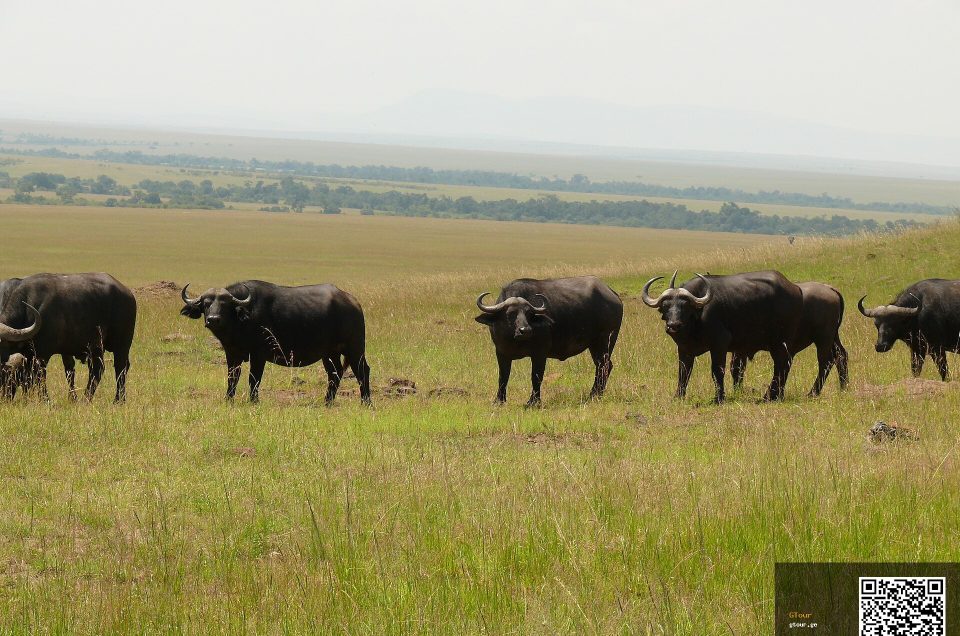
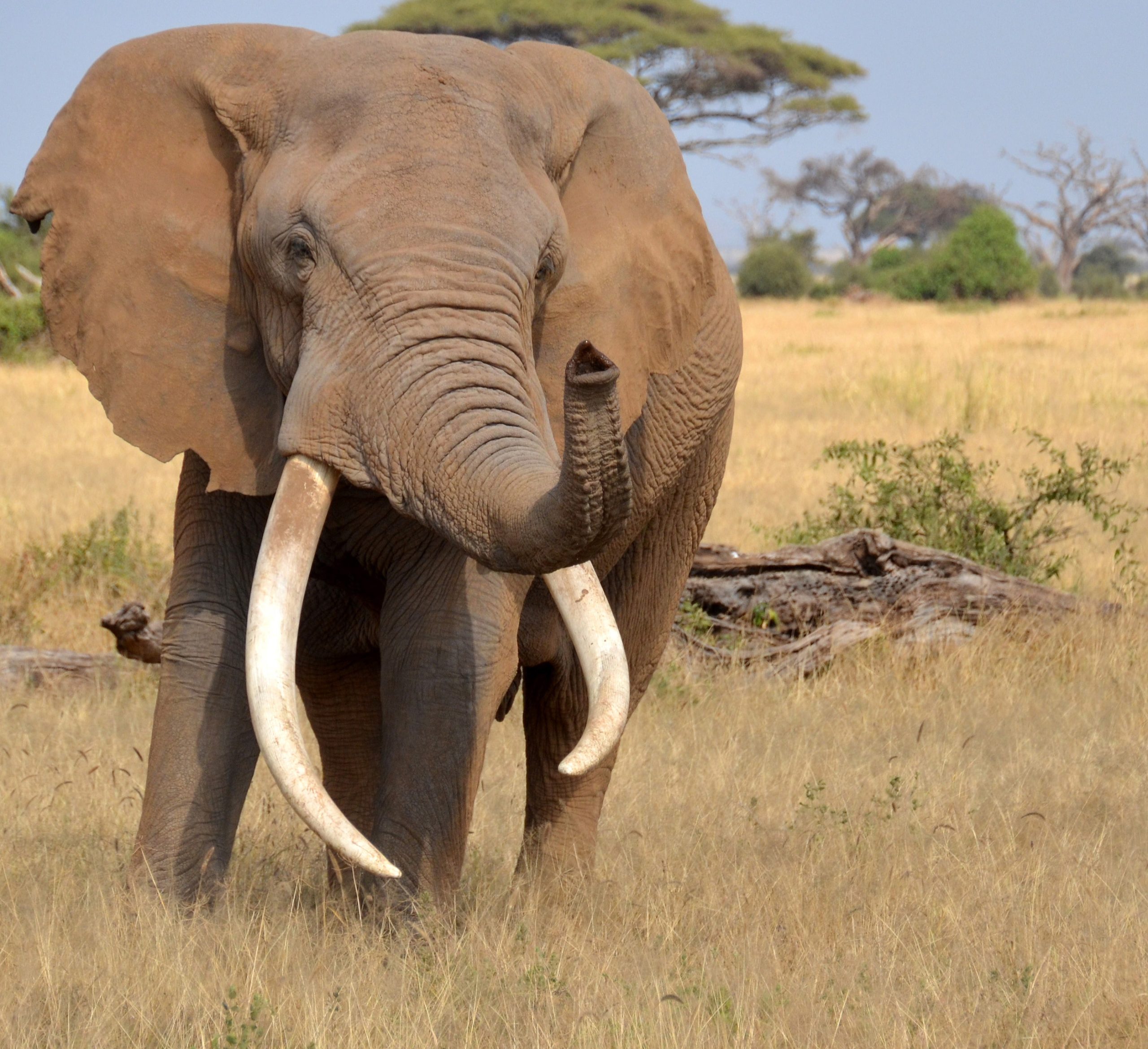
Most of Kenya’s wildlife does not live inside a national park. An estimated 65 percent of the country’s wildlife biomass moves across community and private land, meaning the survival of species around the Masai Mara depends on the willingness of Maasai landowners to share their ground with animals rather than fence it off for farming.
Since the 1990s, that willingness has been underpinned by a conservancy system. Maasai group ranches lease land bordering the Masai Mara National Reserve for tourism use, earning between $30 and $90 per acre annually. The Mara North, Naboisho and Olare Motorogi conservancies alone now cover more than 300,000 acres across a network of 12 private and community conservancies. Landowners agree to clear cattle from designated zones during the wildlife season, and the arrangement has measurable conservation effects: livestock compensation schemes introduced alongside the conservancies cut lion mortality in the network by 61 percent over five years. Traditional Maasai practice, which treated cattle as the sole legitimate protein source and avoided consumption of wild game, had already limited poaching pressure from within communities.
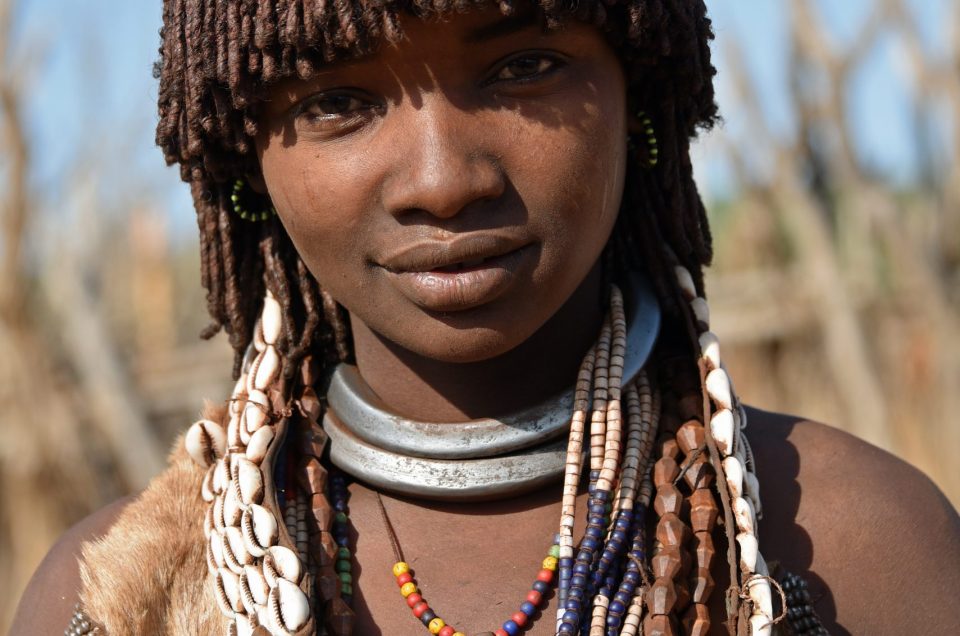
Data from three partner group ranches working with a Nairobi-based safari operator show families earning an average of $3,200 a year from tourism leases — roughly six times what the same land previously generated through cattle. The operator’s managing director, Nikos Pocock, says the model also opens up genuine cultural access, including visits to working bomas rather than staged performances, alongside conservancy privileges such as night drives and walking safaris unavailable inside the reserve itself.
Travellers combining a Caucasus itinerary with East Africa typically connect to Nairobi via hubs such as Istanbul or Doha before continuing on to the Mara conservancies.
Based on reporting by Safari News, the travel desk of Africa Calling Safaris (Nairobi), GTour’s partner for East Africa. Read the original there.
Been to Georgia? Tell us how it went — the best stories are published here.
Share your tripThis story across our partner network — Original reporting: Safari News (Nairobi)
Planning a trip to Georgia?
GTour runs private tours with English-speaking guides from Old Tbilisi. See all tours or ask the desk on WhatsApp +995 577 416 314.
Source: Safari News — Africa Calling Safaris. Reported by the GTour desk; updated 23 October 2026, 11:43 (Tbilisi).