

By Nino Gelashvili, Travel News Editor · 26/10/2026
Israeli citizens can travel to Georgia without a visa, using an ordinary Israeli passport, for a stay that Georgia currently sets at up to one year for tourism purposes. Direct flights connect Tel Aviv with both Tbilisi and, seasonally, Batumi, so most Israeli travellers skip one-stop routings entirely. Georgia also has a Jewish history that runs deeper than almost anywhere else outside Israel, with a continuous community recorded for roughly 2,600 years, which shows up today in working synagogues, kosher food in central Tbilisi, and guides who can work in Hebrew.
None of this removes the need to check current rules before booking, because visa policy, kashrut supervision, and airline schedules all change. This guide sets out what is true as a conservative baseline for 2026, with the official pages to confirm details closer to your travel date.
Visa and entry rules for Israeli citizens
As of 2026, Georgia allows Israeli passport holders to enter visa-free and remain for tourism, business, or family visits for up to 365 days within a given period, without a prior application. This is one of the most liberal arrangements Georgia offers to any nationality, but it is a policy decision that the Georgian government can revise, and consular pages are the only reliable source at the time you travel. Before booking, check the current rule on evisa.gov.ge, which lists visa-free countries and stay lengths, and the consular section of mfa.gov.ge for any recent notices. If you intend to stay longer than the visa-free period, work, or study, you will need a separate permit, and the rules for that are also on mfa.gov.ge.
Carry a passport valid well beyond your planned departure date, since Georgian border officers apply their own discretion at entry. There is no requirement to pre-register a Hebrew-language document, but printing a hotel confirmation or return ticket can speed up questions at passport control.
Flights and land borders
Direct flights between Tel Aviv and Georgia are the main route most Israeli travellers use, with Tbilisi International Airport as the primary gateway and Batumi served seasonally, mostly in the warmer months. Georgian Airways, El Al, Arkia, and Israir have all operated this route in recent years, though the exact carriers and frequency shift by season, so check live schedules rather than relying on last year’s timetable.
| Route | Typical pattern | Where to check |
|---|---|---|
| Tel Aviv to Tbilisi | Direct, several times weekly year-round | tbilisiairport.com |
| Tel Aviv to Batumi | Seasonal direct, mainly spring to autumn | batumiairport.com |
| Via Kutaisi | One-stop options via Europe or Israel on low-cost carriers | kutaisiairport.com |
There are no land or sea borders between Israel and Georgia, so all travel is by air. Within Georgia, land border crossings exist with Armenia, Azerbaijan, and Turkey, which can be useful if you are combining a trip with a regional itinerary, but Georgia’s borders with Russia in Abkhazia and South Ossetia are not under Georgian government control and are not advisable crossing points; see the safety section below.
Driving licence rules
A valid Israeli driving licence generally allows you to drive a rental car in Georgia for a limited period after entry, but because the licence is printed in Hebrew, carrying an International Driving Permit alongside it avoids disputes with rental agencies and traffic police. Rules on recognised foreign licences and the length of validity are set out by Georgia’s road authority, and have been adjusted before, so confirm the current position on georoad.gov.ge before you rely on your licence for a longer stay. Mountain roads to Kazbegi, Svaneti, and Tusheti require caution regardless of licence type; winter driving on these routes without experience or snow tyres is genuinely risky.
Money, cards and SIM cards
Georgia’s currency is the lari (GEL). Cards are widely accepted in Tbilisi, Batumi, and most tourist towns, and contactless payment is standard in supermarkets, hotels, and most restaurants. Israeli shekels are not commonly exchanged outside a handful of Tbilisi exchange bureaus, so bring US dollars or euros if you want cash on arrival, or simply withdraw lari from an ATM, which is usually the better rate. Prepaid SIM cards from Georgian operators such as Magti, Geocell, and Beeline are sold at airport kiosks and city shops with a passport, and are inexpensive compared with roaming charges from Israeli carriers; check current data packages directly with the operators since prices change.
Language: what to expect
Georgian is the official language and uses its own script, so street signs outside major tourist areas may not be in Latin letters. Russian is still understood by much of the older generation and in border regions, and English is common in Tbilisi, Batumi, and wherever tour groups travel, but thinner in villages and smaller mountain towns. Hebrew is not widely spoken, though Hebrew-speaking guides can be arranged for tours through operators who work with Israeli visitors, including for synagogue and heritage circuits in Tbilisi, Kutaisi, and Racha. If you are booking an Israel-focused itinerary, ask in advance whether a Hebrew-speaking guide is available, since this is arranged rather than guaranteed on arrival.
Jewish heritage and cultural ties between Georgia and Israel
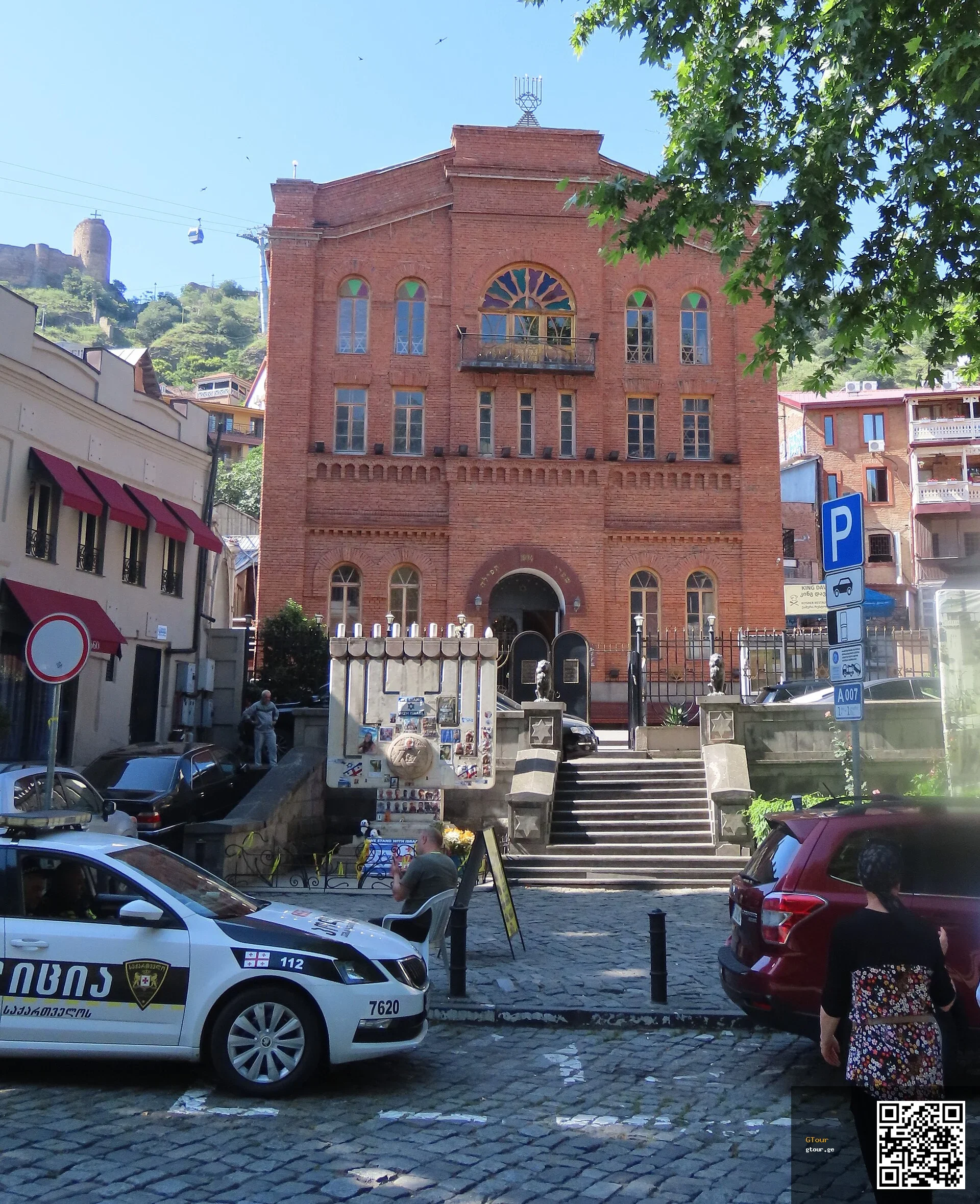
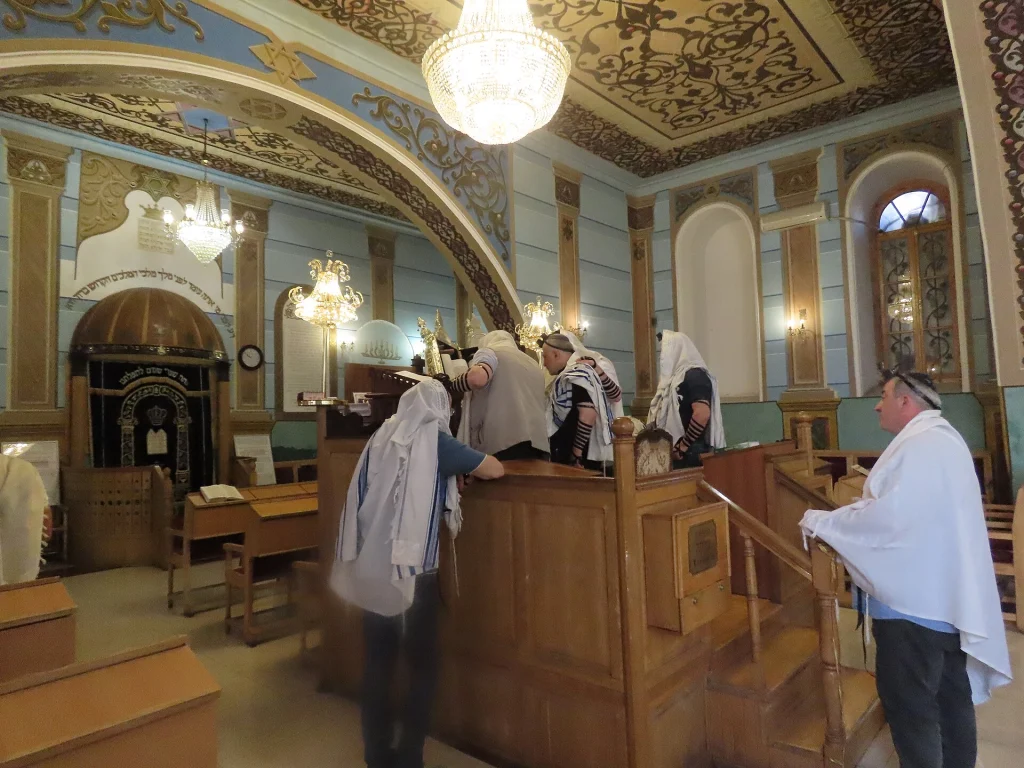
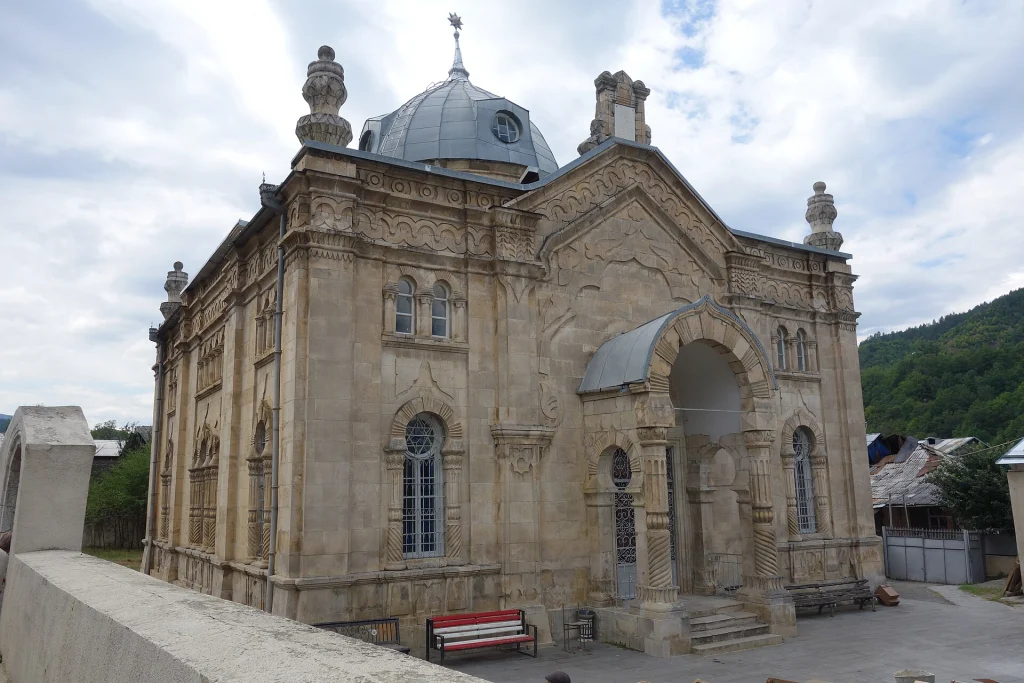
Georgian Jews trace their presence in the country back roughly 2,600 years, making it one of the oldest continuous Jewish communities outside Israel, and the relationship between the two countries has remained close, with diplomatic ties and a large community of Georgian-born Jews now living in Israel who maintain family and cultural links. In Tbilisi, the Great Synagogue on Kote Abkhazi Street is an active place of worship and a natural starting point for understanding this history, and a Chabad house nearby serves the community and visiting travellers. Outside the capital, the synagogue in Kutaisi and the synagogue in Oni, in the Racha region, are notable surviving examples of community life that once extended across smaller Georgian towns; both are worth visiting with a guide who can explain the local history, since on-site information in English or Hebrew is limited.
For travellers interested in this theme specifically, a Tbilisi Jewish heritage walking tour and a Kutaisi and Racha synagogue route are the two most requested itineraries, and both can be combined with wine regions or mountain scenery depending on how much time you have.
Kosher food and Shabbat-friendly planning
Kosher food is available in Tbilisi, concentrated around the Great Synagogue and the Chabad house, which can advise on kosher restaurants, a kosher shop, and community Shabbat meals for visitors who book ahead. Outside this area, Georgian restaurants generally do not hold kosher certification, so if kashrut observance is important to you, plan meals around the known kosher venues rather than assuming any restaurant will accommodate dietary rules on request. Georgian cuisine itself is heavy on bread, cheese, walnuts, grilled meat, and wine, and vegetarian dishes such as lobio, badrijani, and various bean and vegetable stews are easy to find even where kosher certification is not. If you are travelling around Jewish holidays such as Passover, Rosh Hashanah, or Sukkot, which are common travel windows for Israeli visitors alongside the summer and winter school breaks, book kosher meals and any synagogue visit well in advance, since community capacity is limited.
Health, insurance and safety notes
No special vaccinations are required specifically for travel from Israel to Georgia, but routine immunisations should be up to date, and anyone with a chronic condition or planning high-altitude hiking in Svaneti or Kazbegi should speak to a doctor before travel. Pharmacies are widely available in cities and towns, though English or Hebrew labelling cannot be assumed, so bring a supply of any prescription medication with its original packaging. Travel insurance covering medical evacuation is strongly advised, particularly for mountain activities, and is not automatically included with EU-style health coverage, since Georgia is outside that system.
General safety in Georgia is good by regional standards, and petty crime against tourists is uncommon in central Tbilisi and Batumi. The specific point relevant to Israeli travellers is the same as for any nationality: Abkhazia and South Ossetia are breakaway regions outside the control of the Georgian government, access is restricted, and travel there is not recommended; check current government guidance through official channels before considering any trip near those administrative lines. As with any international trip, registering your travel with Israel’s consular services and checking for updated advisories before departure is sensible practice.
If this guide is part of a trip you are planning, our Racha — Khvanchkara Wine & Mountain Lakes (2 Days) and Batumi & the Ajara Mountains — 2 Days cover the places it describes with a private guide and driver; a GTour travel expert adapts the route to your dates.
Practical summary
- Visa-free entry for Israeli passport holders currently runs up to one year, but confirm on evisa.gov.ge and mfa.gov.ge before booking
- Direct flights link Tel Aviv with Tbilisi year-round and Batumi seasonally; check tbilisiairport.com and batumiairport.com for live schedules
- Carry an International Driving Permit alongside your Israeli licence and confirm current rules on georoad.gov.ge
- Use cards or lari cash from ATMs; shekels are not widely exchanged, so bring dollars or euros as backup
- Buy a local SIM at the airport; English works in tourist areas, Russian in border regions, Hebrew guides on request
- Visit Tbilisi’s Great Synagogue and Chabad house, and the historic synagogues in Kutaisi and Oni, ideally with a guide
- Plan kosher meals and Shabbat arrangements through the Chabad house in advance, especially around Jewish holidays
- Take out travel insurance with medical evacuation cover, and avoid travel to Abkhazia and South Ossetia
Sources
- Visa-free country list and stay rules
- Georgian consular and visa information
- Road and driving regulations authority
- Georgia national tourism administration
- Georgian national tourism portal
Questions this guide does not answer? Write to info@castle.ge or WhatsApp +995 577 41 63 14 — a person in Tbilisi replies. See also our travel services and all guides.
Tbilisi's Great Synagogue, the heart of the city's Georgian Jewish community visitors from Israel can visit. · Photo: יעקב / Wikimedia Commons, CC0
Been to Georgia? Tell us how it went — the best stories are published here.
Share your tripOne email a week: what changed for travellers in Georgia — rules, roads, flights, seasons — plus one place worth the trip. Written by the GTour desk, no advertising, unsubscribe in one click.
This story across our partner network — ქართულად: შენი დასვენება