Archives


Krtsanisoba in Georgia: dates, meaning and how to experience it
Next dates
24 September 2027 (to be confirmed) · Krtsanisi, Gardabani municipality. See the full events calendar and Georgia today for roads and weather.
What it is
Krtsanisoba takes its name from Krtsanisi, the plain on the south-eastern edge of Tbilisi where one of the most consequential battles in Georgian history was fought. The Georgian suffix “-oba” denotes an annual feast or commemorative day tied to a place or saint, as in Tbilisoba or Alaverdoba; Krtsanisoba therefore means, literally, “the day of Krtsanisi.” Unlike church feasts built around a saint’s life, this is a civic and historical commemoration, held close to the anniversary of the 1795 Battle of Krtsanisi.
The occasion is observed chiefly by residents of Gardabani municipality, together with Tbilisi-area schools, local cultural associations, military veterans’ groups, and the Georgian Orthodox clergy who conduct a memorial service for the fallen. It is not a nationwide public holiday but a community and municipal event that has grown, in recent decades, into a modest regional festival combining remembrance with autumn harvest-season festivities common across eastern Georgia at this time of year.
Historical background
- 1762 — Erekle II unites the eastern Georgian kingdoms of Kartli and Kakheti under a single crown, beginning a reign that sought to strengthen Georgian statehood against Ottoman and Persian pressure.
- 1783 — Erekle II signs the Treaty of Georgievsk, placing Kartli-Kakheti under the protection of the Russian Empire.
- September 1795 — Agha Mohammad Khan Qajar, founder of Persia’s Qajar dynasty, invades Kartli-Kakheti after Erekle II refuses to renounce the Russian alliance.
- 8–11 September 1795 (Julian) / 19–22 September (Gregorian) — the decisive engagement is fought on the plain of Krtsanisi, south of Tbilisi, where Erekle II’s small force, reportedly joined by the elderly king himself on horseback, is overwhelmed by the much larger Qajar army.
- September 1795 — Tbilisi falls and is largely burned and plundered in the aftermath of the battle, with Russian reinforcements arriving too late to prevent the destruction.
- 1801 — the Russian Empire formally annexes the kingdom of Kartli-Kakheti, ending the independent crown that Erekle II had spent his reign defending.
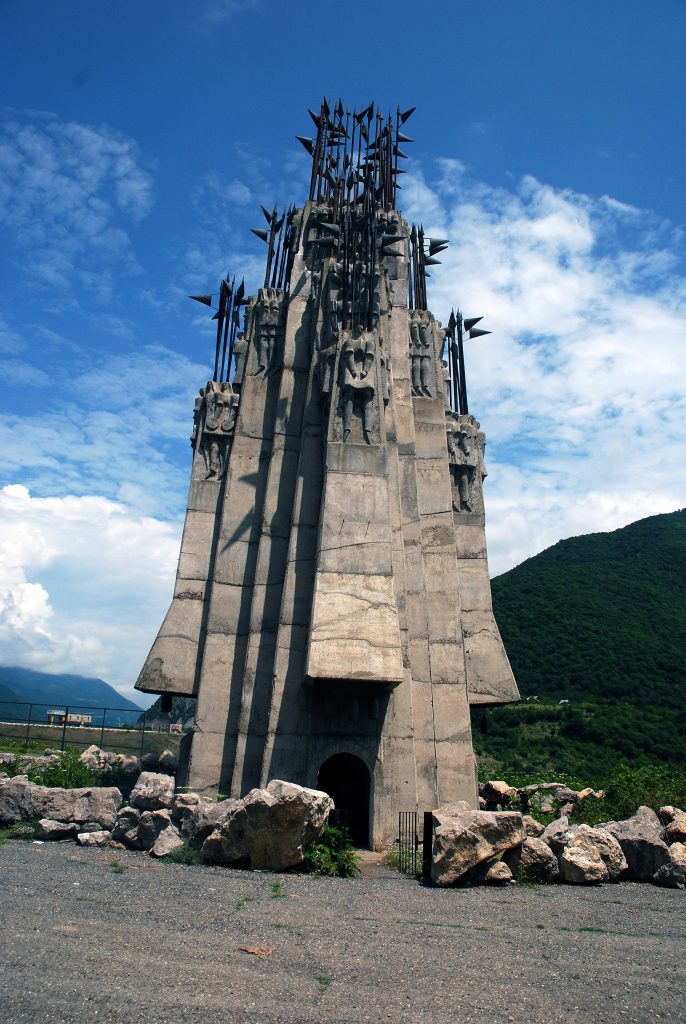
- 20th century — the Krtsanisi battlefield is marked with a memorial, and the surrounding area later also becomes the site of Georgia’s state ceremonial residence, used for receiving foreign dignitaries.
- Since the 1990s — Gardabani municipality and local cultural organizations begin holding an annual autumn commemoration at Krtsanisi, combining a memorial liturgy with a village-style festival.
- 2020s — Krtsanisoba continues as a locally organized civic and cultural event, with its exact date confirmed by municipal organizers each year in late September.
The battle itself sits at a pivotal point in Georgian history. Erekle II, already in his mid-seventies, had spent decades trying to balance the competing pressures of the Ottoman Empire, Persia, and an increasingly assertive Russia. His gamble on Russian protection under the 1783 Treaty of Georgievsk provoked Agha Mohammad Khan’s punitive invasion, and when the promised Russian garrison failed to arrive in time, the outnumbered Georgian army was left to face the Qajar force largely alone. The defeat at Krtsanisi, and the devastation of Tbilisi that followed, is widely regarded by Georgian historians as the decisive blow that left the kingdom too weakened to resist incorporation into the Russian Empire six years later.
Krtsanisoba, as it is marked today, is less a celebration than an act of civic remembrance: a way for the communities of Gardabani, and visitors who join them, to mark the courage and the cost of that defense. Over time the solemn core of the day has been joined by the kind of music, food, and craft stalls typical of Georgian autumn village festivals, giving the event a dual character of memorial and harvest-season gathering.
Meaning and traditions
The day typically opens with a panikhida (memorial service) conducted by Orthodox clergy for those who died defending Tbilisi in 1795, followed by the laying of wreaths at the Krtsanisi memorial by municipal officials, military representatives, and descendants of local families. A military honor guard is often present, and school groups frequently recite poetry or historical accounts connected to Erekle II and the battle.
After the formal commemoration, the event shifts register: folk ensembles perform Georgian polyphonic song and dance, local history enthusiasts sometimes stage small-scale reenactments of the battle in period dress, and stalls sell regional food and drink typical of Kvemo Kartli‘s autumn, including freshly pressed grape juice, khachapuri, and churchkhela. Speeches by municipal leaders usually touch on themes of sacrifice, continuity, and the defense of the capital. Compared with larger “-oba” festivals such as Tbilisoba (Tbilisi’s citywide autumn festival) or Alaverdoba (the Kakheti church feast at Alaverdi Monastery), Krtsanisoba remains deliberately local in scale, closer in spirit to a village commemoration than a tourist spectacle.
When it happens
Krtsanisoba has no fixed calendar date. It is conventionally held on a Saturday in the second half of September, a timing chosen to fall near the Gregorian equivalent of the battle’s Julian-calendar dates in early-to-mid September 1795. Because the exact weekend depends on municipal scheduling, organizers confirm it only in the weeks beforehand. The 2026 edition took place in late September; the next edition is provisionally expected on 24 September 2027, though as in previous years Gardabani municipality will confirm the final date closer to the time.
Krtsanisoba is not a national public holiday in Georgia, and it does not affect the opening hours of shops, offices, or transport in Tbilisi. It functions as a local municipal and cultural event, with participation from nearby schools and community organizations rather than a nationwide shutdown of services.
Where to experience it
The commemoration is centered on the Krtsanisi memorial site on the plain of the same name, on the edge of Tbilisi toward Gardabani municipality, roughly a twenty- to thirty-minute drive from the city center. Visitors typically arrive in the late morning for the memorial service and wreath-laying, staying into the afternoon for the folk performances, stalls, and, in some years, battle reenactments staged on the open ground nearby.
Visitors attending the memorial portion should dress modestly, as at any Georgian Orthodox service, with covered shoulders for women and head covering optional but respectful; men should remove hats during the liturgy. Photography during the wreath-laying and service is generally tolerated at a respectful distance, but visitors should avoid stepping into the ceremonial space reserved for officials, clergy, and the honor guard. The festival atmosphere that follows is informal and welcoming to outside visitors.
Travel with GTour
Tbilisi & Mtskheta — The Essential First Day can be arranged to begin on or near 24 September, allowing a stop in Krtsanisi to see the commemorations before continuing on to Mtskheta, while Georgia in 10 Days — Tbilisi to Svaneti to the Sea passes close to Gardabani municipality in its opening days. A GTour travel expert designs the exact route and schedule around the guest’s dates.
Did you know
- Erekle II was roughly seventy-five years old at the time of the Battle of Krtsanisi and is traditionally said to have joined the final cavalry charge himself.
- The 1795 sack of Tbilisi was so severe that much of the city had to be substantially rebuilt in the years that followed.
- Historians commonly cite the defeat at Krtsanisi as the direct prelude to the loss of Georgian statehood, which ended with Russian annexation in 1801.
- The place name Krtsanisi is also attached today to Georgia’s state ceremonial residence, used for hosting visiting heads of state.
- The “-oba” ending in Krtsanisoba is the same grammatical form used in Tbilisoba and Alaverdoba, marking it as part of a wider Georgian tradition of place-linked annual feast days.
Practical tips for visitors
Krtsanisi is most easily reached by private car or taxi from central Tbilisi; public transport options toward Gardabani municipality are limited and infrequent. Late September weather in the Tbilisi-Gardabani area is generally mild, with daytime temperatures around 15–22°C and cooler evenings, so a light jacket is advisable. There is no entrance fee and no booking required, as the event is open to the public, but visitors should confirm the exact date through local municipal announcements or current news close to the time, since it changes year to year. GTour can arrange a private driver or guide for the day on request.
Combine it with
Krtsanisoba pairs naturally with a visit to Tbilisi, a short drive from the memorial site, or a broader tour of Kartli, the historical heartland that Erekle II’s kingdom was built around. Travelers interested in Erekle II’s reign and the Kakheti side of his kingdom may also combine the day with a trip to Kakheti.
Questions travellers ask
What does “Krtsanisoba” mean?
It means “the day of Krtsanisi,” combining the place name Krtsanisi with the Georgian suffix “-oba,” used for annual feast days tied to a location or saint.
Is Krtsanisoba a public holiday?
No. It is a local commemorative and cultural event organized by Gardabani municipality, not a nationwide public holiday, so businesses and transport in Tbilisi operate normally.
Where exactly is Krtsanisi?
Krtsanisi is a plain on the south-eastern edge of Tbilisi, within or bordering Gardabani municipality, about twenty to thirty minutes from the city center by car.
What happened at the Battle of Krtsanisi?
In September 1795, the outnumbered army of King Erekle II was defeated by the invading Persian force of Agha Mohammad Khan Qajar, leading to the destruction of much of Tbilisi.
Can visitors attend the memorial service?
Yes. The wreath-laying and panikhida are open to the public, though visitors should dress modestly and stay at a respectful distance from the ceremonial area.
Is there an entrance fee?
No. Krtsanisoba is a free public event with no ticketing or registration required.
How do I get to Krtsanisi without a car?
Public transport to the site is limited, so a taxi or private driver from Tbilisi is the most practical option; GTour can arrange transport for the day.
Is the festival suitable for children?
Yes, the afternoon portion with folk performances, food stalls, and sometimes reenactments is family-friendly, though the morning memorial service calls for quiet and respectful behavior.
Sources
- Krtsanisoba
- Law of Georgia on Public Holidays
- Gardabani Municipality (2026)
- 5. National Parliamentary Library digital archive on the Battle of Krtsanisi
- 7. Agenda.ge news report on Krtsanisoba celebrations
- 12. Georgian National Museum page on artifacts from the Battle of Krtsanisi
Plan your Georgia
Want to be in Georgia for Krtsanisoba? A GTour travel expert designs the itinerary around it and calls you back.
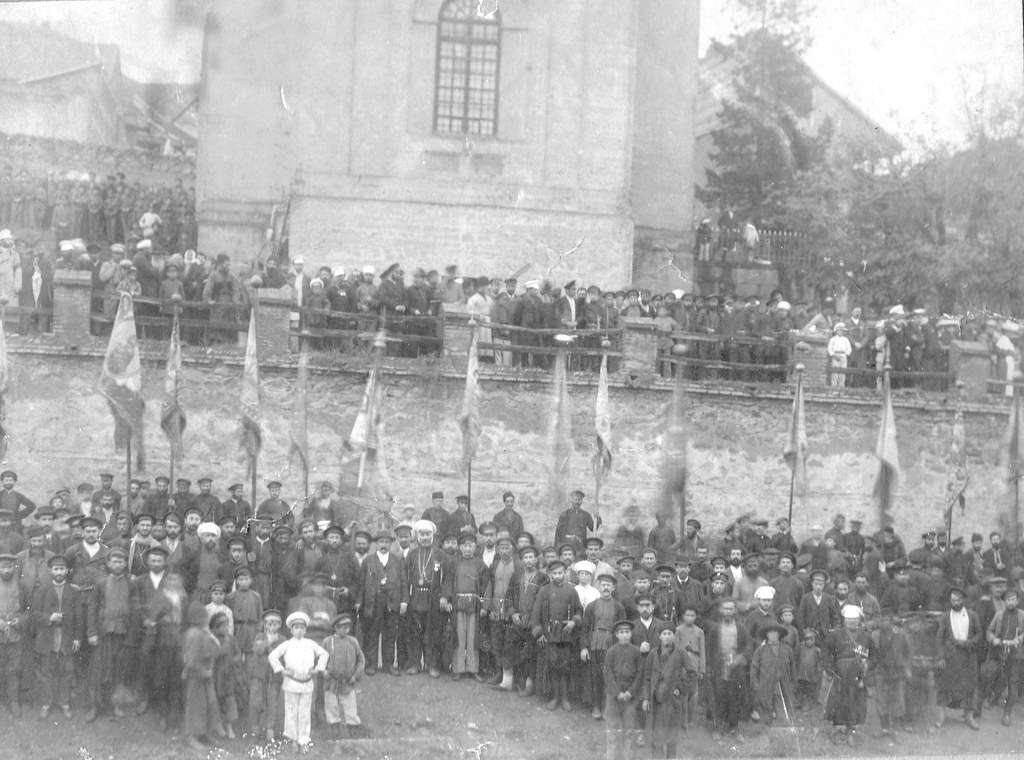
The village church of Krtsanisi, centre of the annual festival commemorating the 1795 battle. · Photo: Yasuhiro Kojima / Wikimedia Commons, CC BY-SA 2.0
This page in other languages: Русский
GTour conciergeAsk anything about Georgia · we reply within hours