Archives


Tbilisi Open Air in Georgia: dates, meaning and how to experience it
Next dates
3 July 2027 – 4 July 2027 (to be confirmed) · Lisi Wonderland, Tbilisi. See the full events calendar and Georgia today for roads and weather.
What it is
Tbilisi Open Air is Georgia’s largest outdoor music festival, held on a weekend during early summer at a lakeside venue on the edge of the capital. Unlike most entries on Georgia’s festival calendar, its name is English rather than a translation of an older Georgian term, reflecting its identity as a contemporary, internationally oriented event rather than a feast rooted in church or agrarian tradition. When Georgians do describe the concept in their own language, they tend to use the descriptive phrase ghia tsis qvesh (ღია ცის ქვეშ), literally “under the open sky,” rather than a fixed proper name, since the festival itself is simply branded and marketed in English.
The festival is attended mainly by young Georgians, university students, and music fans from Tbilisi and other cities, alongside a growing number of international visitors and members of the Georgian diaspora who plan summer visits home around the event. It is not a religious observance, a state commemoration, or a public holiday; it belongs to Georgia’s modern cultural calendar alongside film, jazz, and wine festivals that have developed since the country’s independence, offering a secular counterpoint to the church feasts and historic rites that dominate the rest of the calendar.
Historical background
- 2009 — Tbilisi Open Air is launched, becoming one of the first large-scale outdoor multi-genre music festivals staged in Georgia after independence.
- early 2010s — the festival becomes an annual fixture, broadening from a predominantly rock-oriented line-up toward a mix of rock, electronic, hip-hop, and pop acts, and beginning to invite performers from outside Georgia.
- mid-2010s — as attendance grows, organisers adjust the festival’s footprint and staging across successive editions to accommodate larger crowds and additional stages.
- 2020 — the edition is cancelled or postponed amid pandemic-related restrictions on large public gatherings, in line with the suspension of major music festivals worldwide that year.
- early-to-mid 2020s — the festival resumes and continues to expand, consolidating its position as Georgia’s best-known open-air music event.
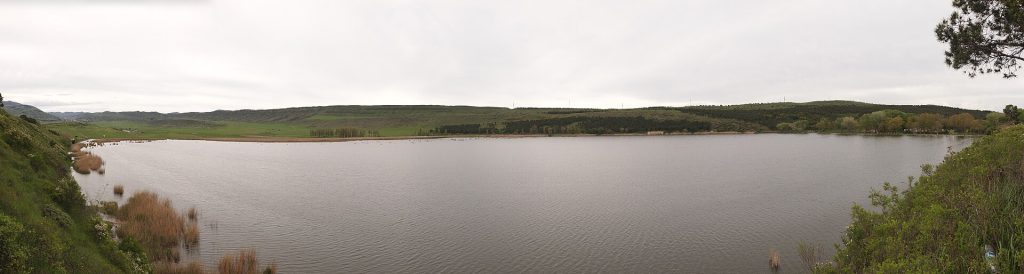
- 2026 — the festival is confirmed for 4–5 July at Lisi Wonderland, a recreational site beside Lisi Lake on the north-western edge of Tbilisi.
- 2027 — organisers plan a similar early-July date, provisionally 3–4 July, pending final confirmation closer to the event.
Tbilisi Open Air emerged in a period when Georgia’s cultural institutions and private promoters were building a modern festival circuit alongside the country’s much older religious and seasonal observances. Its founding in 2009 coincided with growing interest among young urban Georgians in international popular music scenes, and with the broader opening of Tbilisi to touring artists and festival production companies after the 1990s period of economic disruption. Over more than a decade, the event has tracked the city’s own growth, moving between sites on the capital’s outskirts as crowds, infrastructure, and logistics evolved.
The move to Lisi Lake reflects a wider pattern in Tbilisi’s recent development, in which reservoirs and green spaces on the city’s edges, once used mainly for weekend recreation, have been adapted for larger public events. The festival’s history is therefore closely tied to the physical expansion of Tbilisi itself, rather than to any older ritual calendar, which is part of what distinguishes it from the feasts and processions described elsewhere on this site.
Meaning and traditions
Visitors to Tbilisi Open Air encounter a festival grounds laid out with multiple stages, food and drink vendors, and, in recent editions, areas for camping. Georgian wine and craft beer are sold alongside international-style street food, often next to stalls offering Georgian staples such as khinkali (dumplings) and khachapuri (cheese-filled bread), reflecting the way the festival blends global festival culture with local food traditions. Music spans rock, electronic, hip-hop, and pop, performed by both Georgian and visiting international artists, usually across an afternoon-to-late-night schedule rather than a single evening performance.
There is no fixed liturgy, toast, or ritual food associated with the festival, unlike church feasts or family celebrations elsewhere in Georgia’s calendar. What recurs each year is the social pattern: groups of friends travelling out from central Tbilisi together, diaspora Georgians timing summer trips to coincide with the weekend, and informal after-parties continuing in the city’s bars once the festival site closes for the night. Because the event is organised privately rather than by the church or state, there are no regional variants in other parts of the country; it remains specific to Tbilisi and its immediate surroundings.
When it happens
Tbilisi Open Air does not follow a fixed civil date or a church calendar rule. Organisers select a weekend between late May and early July each year, depending on venue availability, artist booking schedules, and logistics, and confirm the exact dates publicly a few months in advance. In 2026 the festival is scheduled for 4–5 July at Lisi Wonderland; the 2027 edition is provisionally planned for 3–4 July, with confirmation expected closer to the event.
The festival is not a public holiday in Georgia. Government offices, schools, and most businesses operate on their normal schedule on festival weekends; the only practical effect for the wider city is increased traffic and temporary road access adjustments around Lisi Lake during event hours.
Where to experience it
The festival takes place at Lisi Wonderland, a lakeside leisure site beside Lisi Lake on the north-western edge of Tbilisi, a short drive from the city centre. Gates typically open in the afternoon, with performances running across several stages into the night. Visitors should expect standard large-festival conditions: security checks at entry, ticket or wristband verification, and designated areas for food, drink, and, in years when it is offered, camping.
Because the event is secular and outdoor, there is no church or household etiquette to observe, unlike visits to monasteries or private homes during religious feasts. General festival etiquette applies: comfortable, weather-appropriate clothing, respect for noise and alcohol rules on site, and awareness that access roads to Lisi Lake can be congested before and after headline performances.
Did you know
- Founded in 2009, Tbilisi Open Air is one of the longest-running large-scale music festivals in the South Caucasus.
- The festival is staged beside Lisi Lake, a reservoir on Tbilisi’s north-western edge that is also a popular spot for walking and watersports outside festival weekends.
- Unlike most dates on Georgia’s cultural and religious calendar, Tbilisi Open Air is not fixed to the Orthodox Church’s Julian-based calendar, so its dates move from year to year within a loose early-summer window.
- The festival has become an informal seasonal meeting point for Georgians living abroad, many of whom plan summer visits home around the event.
- Mixing rock, electronic, hip-hop, and pop acts on a single weekend bill has been part of the festival’s identity since its early editions, distinguishing it from single-genre festivals elsewhere in the region.
Practical tips for visitors
Lisi Wonderland lies outside central Tbilisi, so visitors without a car should check whether organisers are running shuttle buses from the city centre, or plan to use taxis or ride-hailing apps, allowing extra time for traffic near the venue before and after the festival. Early July in Tbilisi is typically hot and dry during the day, with cooler evenings, so light layers, sun protection, and comfortable footwear are advisable; occasional evening showers are possible, so a compact rain layer is a sensible addition. Tickets, including any camping or multi-day passes, are issued through the festival’s official channels, and booking ahead is recommended once dates are confirmed, since the event draws large crowds from across the country. There are no citywide closures associated with the festival, but local road access around Lisi Lake may be restricted during event hours.
Combine it with
A festival weekend in Tbilisi pairs naturally with a day trip into the vineyards of Kakheti, Georgia’s main wine region, or a short excursion into the mountains and historic churches of Mtskheta-Mtianeti, both within easy reach of the capital for visitors extending their stay around the festival dates.
Questions travellers ask
Is Tbilisi Open Air a public holiday in Georgia?
No. It is a privately organised music festival, not a state or religious holiday, so schools, offices, and most businesses operate normally during the event weekend.
How are the exact festival dates decided each year?
Organisers choose a weekend between late May and early July based on venue availability, artist booking, and logistics, and announce confirmed dates publicly a few months ahead of the event.
Do I need a ticket in advance?
Yes. Tickets are sold in advance through the festival’s official channels, and booking early is advisable given the event’s popularity and limited site capacity.
Can I camp at the festival site?
Some editions have offered camping areas alongside standard entry tickets; availability varies by year, so it is best to check the current ticket options once dates are confirmed.
Is Lisi Wonderland easy to reach without a car?
It lies on the north-western edge of Tbilisi, reachable by taxi, ride-hailing app, or organised shuttle when offered; travellers without a car should allow extra time for traffic around the venue.
What kind of music can I expect?
Programming typically spans rock, electronic, hip-hop, and pop, performed by a mix of Georgian and international artists across multiple stages over the festival weekend.
Is the festival family-friendly?
The event is oriented toward an adult, concert-going audience with standard festival conditions, including alcohol sales and late-night performances, so it is best suited to adult visitors rather than families with young children.
What happens if it rains?
Early July in Tbilisi is generally dry, though brief evening showers are possible; the festival typically continues as scheduled, so visitors should bring a light rain layer rather than expect cancellation.
Sources
- Tbilisi Open Air official site
- Georgian National Tourism Administration
- Tbilisi City Hall
- Agenda.ge
- Georgia Today
- Civil.ge
Plan your Georgia
Want to be in Georgia for Tbilisi Open Air? A GTour travel expert designs the itinerary around it and calls you back.
Lisi Lake in Tbilisi, near the venue where the Tbilisi Open Air festival is held. · Photo: Tiia Monto / Wikimedia Commons, CC BY-SA 3.0
This page in other languages: Русский
GTour conciergeAsk anything about Georgia · we reply within hours