Archives


Telavoba and the Telavi wine festival in Georgia: dates, meaning and how to experience it
Next dates
25 September 2027 – 26 September 2027 (to be confirmed) · Telavi, Kakheti. See the full events calendar and Georgia today for roads and weather.
What it is
Telavoba is the annual city day of Telavi, the regional capital of Kakheti in eastern Georgia. The name follows a common Georgian pattern: the place name “Telavi” takes the suffix -oba, which turns a noun into the name of a feast or collective occasion — the same construction used for Tbilisoba (Tbilisi‘s city day) and for saints’-day festivals such as Alaverdoba. Literally, Telavoba means something close to “Telavi-ness” or “the feast of Telavi,” and in practice it denotes a day (or weekend) set aside for the city to celebrate its own identity.
Telavoba is celebrated by the residents of Telavi and the wider Kakheti region, together with visitors who travel from Tbilisi and abroad for it. Because the event falls during the Georgian grape harvest, known as rtveli, the municipal celebration has grown into an informal wine festival as well: stalls from local wineries, family cellars and cooperatives set up alongside the civic parades and concerts, so the day functions simultaneously as a hometown holiday and a showcase of Kakhetian winemaking.
Historical background
- Early medieval period — Telavi is attested as a settlement and fortified center in Kakheti in Georgian chronicle tradition, long before it became a royal capital.
- 11th–12th centuries — Telavi grows in importance within the Kingdom of Kakheti-Hereti as the eastern Georgian principalities consolidate.
- 17th century — King Teimuraz I of Kakheti develops Telavi as a royal residence, laying groundwork for the Batonis-Tsikhe (“Lord’s Fortress”) palace complex.
- 18th century — Under King Erekle II, Telavi serves as a capital of the united Kingdom of Kartli-Kakheti; the royal palace, churches and defensive walls at Batonis-Tsikhe take their present form.
- 1801 — The Kingdom of Kartli-Kakheti is annexed by the Russian Empire, ending Telavi’s role as a royal seat; the city continues as the administrative center of Kakheti.
- 1979 — Tbilisoba is inaugurated in the capital as a modern municipal “city day,” establishing the template of autumn urban festivals later adopted by other Georgian towns, including Telavi.
- 2013 — The ancient Georgian method of making wine in buried clay vessels called qvevri is inscribed on the UNESCO Representative List of the Intangible Cultural Heritage of Humanity, cementing Kakheti’s wine culture as a point of national and international recognition (UNESCO Intangible Cultural Heritage Lists).
- Recent decades — Telavoba is held annually in late September, organized by the Telavi municipality and promoted alongside Kakheti’s harvest season as a combined civic and wine-tourism event (Georgian National Tourism Administration).
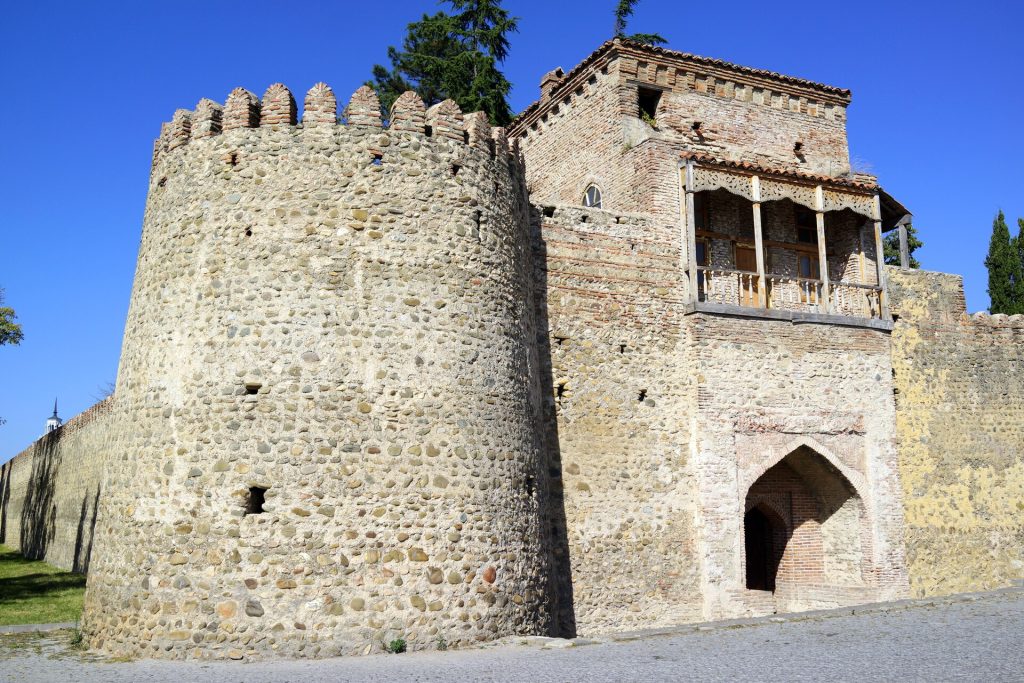
Telavi’s layered history explains why its city day carries more weight than a simple municipal anniversary. The town was the last capital of an independent Georgian kingdom before the Russian annexation of 1801, and its central Batonis-Tsikhe complex — palace, churches, bathhouse and surrounding walls — still stands as the clearest surviving monument to the court of Erekle II, a king remembered in Georgian historiography for his military campaigns and diplomatic balancing act between Ottoman, Persian and Russian power (Britannica, Georgia). The modern festival does not commemorate a single battle or coronation; rather, it gathers the town’s layered identity — royal capital, cathedral town, market center of a wine region — into one autumn date.
The timing beside the grape harvest is not incidental. Kakheti has for centuries been considered the heartland of Georgian viticulture, and the qvevri method recognized by UNESCO in 2013 is practiced in family cellars throughout the Telavi area. As municipal “oba” days spread across Georgia following the Tbilisoba model, Telavi’s civic celebration absorbed the rhythms of the harvest calendar, so that by the early twenty-first century Telavoba functions as both a city’s birthday and an open invitation to taste the new wine.
Meaning and traditions
On the day itself, Telavi’s central streets and Erekle II Square close to traffic for a program that typically includes a folk and brass-band procession, performances of Georgian polyphonic singing, horsemanship displays, and stalls selling crafts, churchkhela (strings of nuts dipped in grape-must paste) and regional cheeses. Wineries and family producers set up tasting tables, and visitors can often watch or take part in grape treading in a wooden press called a satsnakheli, the first step of traditional qvevri winemaking. Music in the square usually runs into the evening, closing with fireworks over the old town.
Food and hospitality follow the pattern of a Kakhetian supra (feast table), with a tamada (toastmaster) leading toasts that move from family and ancestors to guests, peace and the harvest itself. Dishes associated with the season include freshly pressed grape juice, tkemali and satsebeli sauces, mtsvadi (skewered grilled meat), and the first churchkhela of the year, made as soon as the grape must is ready. Visitors should expect to be offered wine repeatedly; a polite refusal is accepted, but sampling at least a little is considered part of the hospitality exchange.
Regional variation matters here: Telavoba is a secular, municipal event, distinct from religious feast days such as Alaverdoba (the autumn gathering at nearby Alaverdi Cathedral) which follow the Church calendar and center on liturgy and pilgrimage rather than city administration. Travelers sometimes conflate the two because both occur in Kakheti in the harvest season, but Telavoba has no fixed religious observance attached to it.
When it happens
Telavoba does not follow a fixed calendar date. Organizers — Telavi City Hall together with regional tourism bodies — set the exact day or weekend each year, usually in the last two weeks of September, to align with the peak of the grape harvest and with favorable autumn weather. The date is confirmed closer to the event, generally by late summer.
For 2026, the festival had already taken place by late September, before this guide’s current date of 25 October 2026; exact daily details are set each year and are not fixed in advance. For 2027, organizers have provisionally indicated 25–26 September, though this remains subject to confirmation nearer the time. Telavoba is a local, not a national, public holiday: government offices, schools and most businesses across Georgia operate normally. Within Telavi itself, the town center closes to vehicle traffic for the day, some shops adjust hours around the program, and parking near the old town becomes limited.
Where to experience it
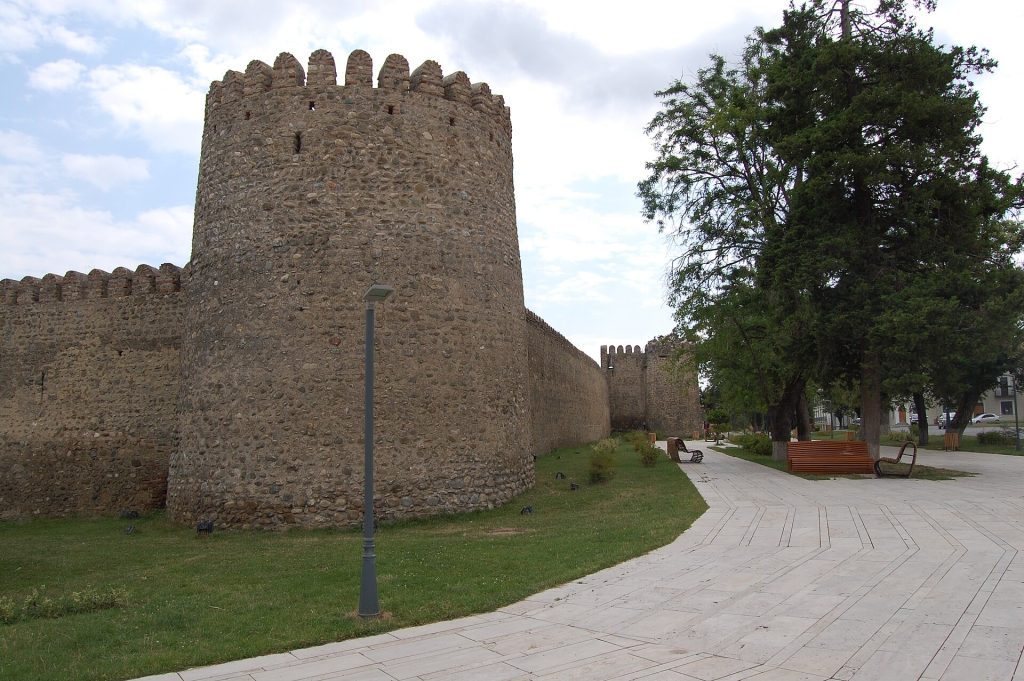
The heart of the festival is Telavi’s old town, centered on Erekle II Square and the grounds of Batonis-Tsikhe, the walled royal residence that houses the former palace of Erekle II, a small museum, and the city’s famous giant plane tree, said to be several centuries old. Most stage performances, craft stalls and wine tastings cluster within walking distance of this complex. Visitors can combine the day with a short trip to nearby wine villages such as Napareuli, Kvareli or Tsinandali, where family cellars and larger estates often keep extended hours during the harvest weeks.
Those wishing to pair the civic festival with a religious or historic site can visit Alaverdi Monastery, a short drive from Telavi, or the medieval Ikalto Academy, both associated with Kakheti’s ecclesiastical and intellectual history. Church etiquette applies at these sites regardless of the festival outside them: modest dress, head coverings for women, and quiet behavior inside the churches. Within the festival grounds themselves, normal Georgian hospitality customs apply — accept small tastings graciously, greet toasts standing when invited, and ask before photographing people at private cellar tables.
Travel with GTour
The Rtveli — Wine Harvest in Kakheti (3 Days, September–October) tour travels through Telavi during the harvest weeks, allowing a stop at Telavoba or the TelaVino festival in the Erekle II palace courtyard, while the Racha — Khvanchkara Wine & Mountain Lakes (2 Days) tour can be scheduled before or after for a broader look at autumn wine traditions. A GTour travel expert designs the exact route and timing around the guest’s dates.
Did you know
- Telavi was the last capital of an independent Georgian kingdom before the Russian Empire’s annexation of Kartli-Kakheti in 1801.
- The plane tree standing beside Batonis-Tsikhe in Telavi is traditionally said to be several hundred years old and is among the most celebrated old trees in Georgia.
- Georgia’s traditional qvevri winemaking method, widely practiced in Kakheti around Telavi, was inscribed on UNESCO’s Intangible Cultural Heritage list in 2013.
- The “-oba” suffix that gives Telavoba its name is the same grammatical device behind Tbilisoba, Alaverdoba and other Georgian feast-day names.
- Kakheti, with Telavi as its administrative center, has long been regarded as the historic core of Georgian viticulture, home to some of the country’s oldest documented vineyards and wine estates.
Practical tips for visitors
Telavi lies roughly two hours by road from Tbilisi, reachable by marshrutka (shared minibus), hired car or organized tour; Tbilisi International Airport is the usual international gateway (Tbilisi International Airport). Dress in layers, as late-September evenings in Kakheti can turn cool even after warm afternoons. Book accommodation in Telavi or nearby wine villages well ahead, since rooms fill quickly during harvest season regardless of the exact festival date. Expect the town center to be pedestrian-only during the event, and allow extra time for parking outside the old town. Confirm the current year’s date with the municipality or a local tour operator close to the time, since it is set annually rather than fixed on the calendar.
Combine it with
Telavoba sits naturally within a wider Kakheti itinerary, and pairs well with visits to Kakheti’s wine villages and monasteries, a stop in Tbilisi before or after the drive east, and, for travelers continuing north, the mountain landscapes of Mtskheta-Mtianeti.
Questions travellers ask
What does “Telavoba” actually mean?
It combines “Telavi,” the city’s name, with the Georgian suffix “-oba,” which forms the name of a feast or collective occasion. The word functions much like “Tbilisoba” does for the capital — it simply means “Telavi’s day” or “the feast of Telavi.”
Is Telavoba a public holiday in Georgia?
No. It is a municipal city day celebrated in Telavi, not a national public holiday. Government offices, banks and most businesses elsewhere in Georgia operate normally on that day.
Why doesn’t Telavoba have a fixed date each year?
Organizers set the date to coincide with the peak of the autumn grape harvest and with favorable weather, which shift slightly from year to year, so the municipality confirms the exact day closer to the event rather than fixing it permanently on the calendar.
Is Telavoba the same as Alaverdoba?
No. Alaverdoba is a religious feast tied to Alaverdi Cathedral near Telavi and follows the Church calendar, centered on liturgy and pilgrimage. Telavoba is a secular municipal celebration organized by city authorities, though both occur in Kakheti in the harvest season.
Can visitors join the wine tastings for free?
Many stalls run by local producers offer small complimentary tastings as part of the festival atmosphere, though larger estates nearby may charge for formal tastings or cellar tours. It is courteous to buy a bottle or two if a producer has given a generous pour.
How do I get from Tbilisi to Telavi for the festival?
Telavi is about a two-hour drive from Tbilisi via the Gombori pass or the lower Sagarejo route. Shared minibuses, private transfers and organized day tours all run regularly from Tbilisi, especially during harvest season.
What should I wear or bring?
Comfortable walking shoes and layered clothing are advisable, since the festival involves walking through the old town and temperatures can drop in the evening. Modest clothing is appropriate if combining the day with a visit to a nearby monastery such as Alaverdi.
What else is there to see in Telavi beyond the festival day?
Batonis-Tsikhe, the former royal palace of Erekle II, and its adjoining museum and ancient plane tree can be visited year-round. Nearby Alaverdi Monastery, Ikalto Academy and the wine villages of Napareuli and Tsinandali make natural additions to any Telavi visit, festival or not.
Sources
- Georgian National Tourism Administration
- UNESCO Intangible Cultural Heritage Lists
- Georgian Patriarchate
- National Wine Agency of Georgia
- Georgian National Tourism Administration (GNTA)
- Telavoba (City Day of Telavi)
- Telavoba Wine Festival marks Telavi City Day
Plan your Georgia
Want to be in Georgia for Telavoba and the Telavi wine festival? A GTour travel expert designs the itinerary around it and calls you back.
The Palace of King Erekle II in Telavi, venue of the TelaVino wine festival's courtyard celebrations. · Photo: shankar s. from Dubai, united arab emirates / Wikimedia Commons, CC BY 2.0
This page in other languages: Русский
GTour conciergeAsk anything about Georgia · we reply within hours