

By Prof. Giorgi Pkhakadze, MD, MPH, PhD · 16/10/2026
Last checked by the GTour desk on 16 October 2026. Rules, prices and schedules in Georgia change; this page is reviewed and the date updated when they do.
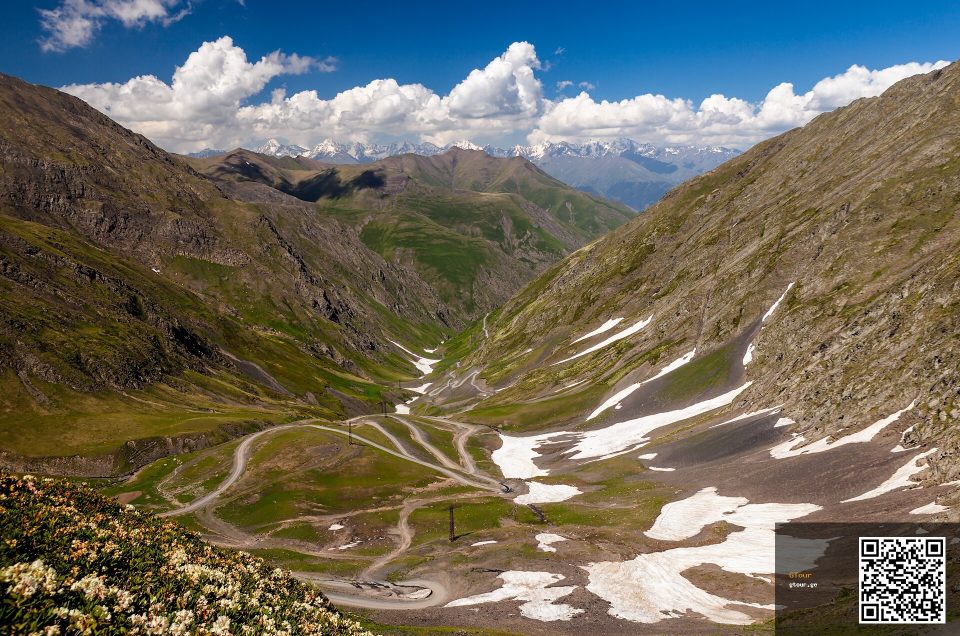
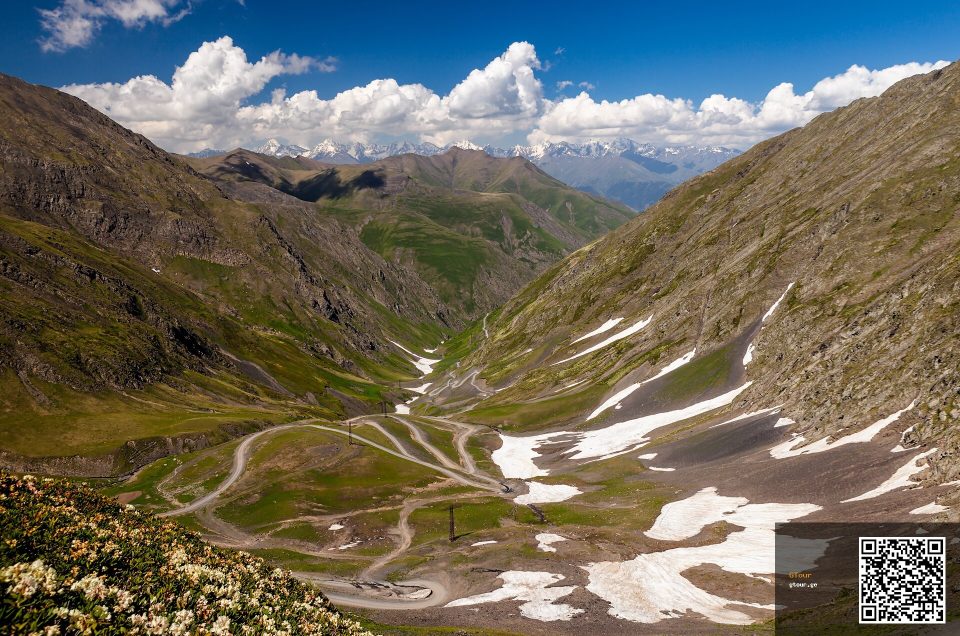
Georgia’s mountain regions attract visitors with dramatic scenery, but the altitudes involved are moderate by world standards. Most travellers feel no effects at all. Still, a same-day drive from Tbilisi to Gudauri, or a fast walk up to the Kazbek weather station, can bring on symptoms that are easily avoided with basic planning.
How high do you actually go?
For context, altitude sickness risk generally begins above 2,500 metres, and most of Georgia’s popular destinations sit below or only slightly above that line.
- Tbilisi: about 450 m
- Mestia: about 1,500 m
- Stepantsminda (Kazbegi town): about 1,740 m
- Omalo, Tusheti: about 1,900 m
- Ushguli: about 2,100 m
- Gergeti Trinity Church: about 2,170 m
- Jvari Pass (Georgian Military Highway): about 2,395 m
- Gudauri ski area: 2,000–3,300 m
- Abano Pass (road to Tusheti): about 2,850 m
- Gergeti glacier trekking routes: 3,000 m and above
- Kazbek base camp / Meteo station: about 3,650 m
In short: Mestia, Stepantsminda, Omalo and Ushguli are comparable to many well-known mountain towns worldwide and rarely cause problems. The higher passes and the Kazbek approach are where altitude starts to matter.
What altitude actually does to the body
Above roughly 2,000–2,500 m, many people notice mild effects: headache, slightly disturbed sleep, shortness of breath on exertion, or reduced appetite. This is common and usually resolves within a day or two as the body adjusts. It is not dangerous in itself, but it is a signal to slow down.
True altitude illness — acute mountain sickness (AMS), and the rarer but serious high-altitude pulmonary or cerebral oedema (HAPE/HACE) — is uncommon at the altitudes most tourists reach in Georgia. The real risk zone is the Kazbek ascent above the Meteo station, where climbers gain significant height quickly.
Who should be more careful
- Children, especially very young ones, who cannot always describe symptoms clearly
- People with existing heart or lung conditions
- Anyone with a history of altitude sickness on previous trips
- Travellers doing a rapid same-day ascent, such as Tbilisi to Gudauri or Kazbegi to the Meteo station in one push
Alcohol makes symptoms worse by disrupting sleep and hydration, and is best avoided on the evening of an ascent to higher villages or passes.
Practical prevention
- Spend a night at a lower point before pushing higher — for example, a night in Stepantsminda or Gergeti before attempting the glacier trail or Meteo station
- Drink water regularly; dehydration mimics and worsens altitude symptoms
- Walk at a slow, steady pace rather than rushing uphill
- Eat normally; altitude can reduce appetite but the body still needs fuel
- Avoid alcohol and heavy sedatives on ascent nights
- If you feel unwell, the single most effective treatment is to stop ascending, rest, and descend if symptoms do not improve
For those planning a serious Kazbek attempt, the standard approach is to acclimatise for two to three days around Stepantsminda and Gergeti before heading to base camp, with guided itineraries building in rest days. Acetazolamide is sometimes used by climbers to aid acclimatisation, but this should only be taken on the advice of a doctor familiar with your health history, not self-prescribed on a forum recommendation.
Sun and cold — the less-discussed risks
At altitude, UV exposure is noticeably stronger even on cool or cloudy days, and sunburn happens quickly, particularly on snow near Gudauri or the glacier trails. Sunglasses, a hat and sunscreen are worth packing regardless of season.
Temperatures also drop fast with elevation and with weather changes. A sunny morning in Stepantsminda can turn into a cold, windy afternoon on the ridge above Gergeti. Layered clothing, a windproof shell and solid footwear matter more than altitude itself for comfort and safety.
If something goes wrong
Mountain rescue in Georgia is reached through the national emergency number, 112, which covers police, medical and rescue services and has English-speaking operators. For organised treks, hiring a local guide familiar with the terrain and weather patterns adds a useful safety margin, particularly for routes beyond Gergeti Church or in Tusheti, where mobile coverage is patchy.
Travellers planning the Military Highway route, the Abano Pass crossing into Tusheti, or a hike toward Gergeti and the Kazbek glacier should check current road and weather conditions locally before departure, since passes can close temporarily due to snow or landslides even in summer months.
Quick answers
Is altitude sickness a real risk in Kazbegi or Gudauri? Mild symptoms such as headache or poor sleep can occur, especially after a fast drive up, but serious altitude illness is uncommon below 2,500 m.
Do I need to worry about altitude in Mestia or Ushguli? Generally no; these villages sit at altitudes most people tolerate without issue, though a slower pace helps if arriving directly from sea level.
Should children avoid high-altitude trips in Georgia? Not necessarily, but ascend gradually, watch for irritability or poor sleep, and avoid rushing straight to the highest points.
Is the Kazbek Meteo station trek dangerous? It carries real altitude risk due to rapid ascent to about 3,650 m; acclimatising first in Stepantsminda and going with an experienced guide is strongly advised.
What should I do if I feel unwell at altitude? Stop ascending, rest, hydrate, and descend if symptoms persist or worsen; call 112 for mountain rescue if needed.
Does alcohol make altitude sickness worse? Yes, it disrupts sleep and hydration and should be avoided on ascent days in higher locations.
Sources
- Reviewed by Prof. Giorgi Pkhakadze, MD, MPH, PhD
- Georgia National Emergency Service (112)
- General mountain medicine guidelines on acute mountain sickness and high-altitude illness
Tell us your dates and what you love. A GTour travel expert designs a private itinerary and calls you back — no payment until you are sure.
Photo: Vyacheslav Argenberg / Wikimedia Commons, CC BY 4.0
Been to Georgia? Tell us how it went — the best stories are published here.
Share your trip