

By Prof. Giorgi Pkhakadze, MD, MPH, PhD · 15/09/2026
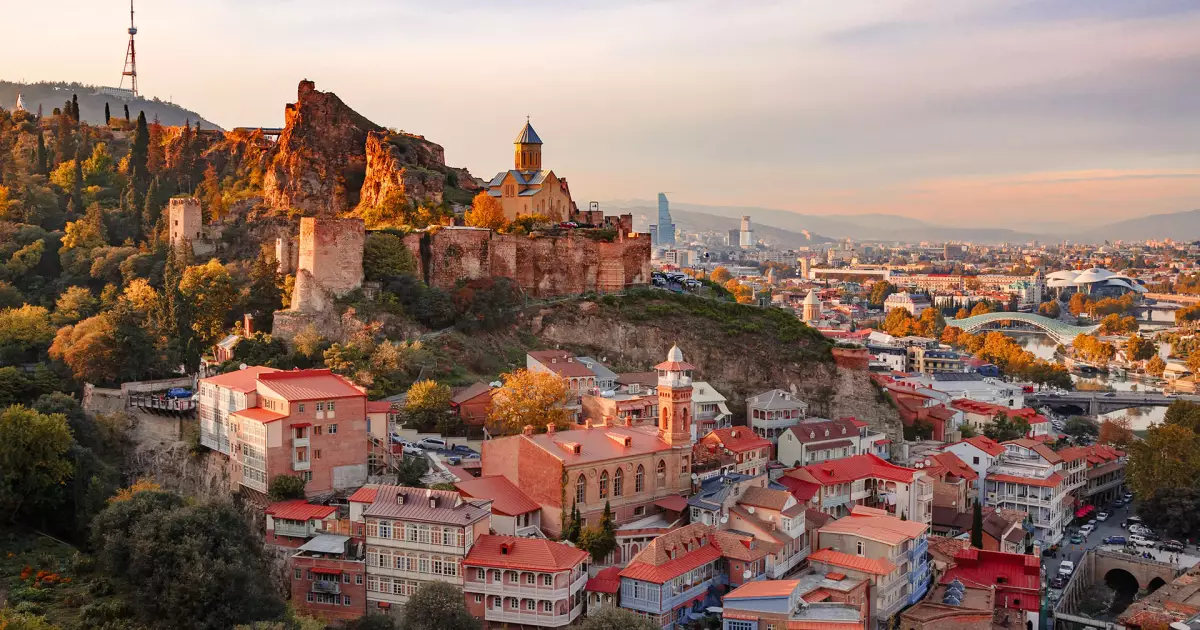
The Dry Bridge is exactly that: a 19th-century stone bridge that once crossed a branch of the Kura, until the branch was filled in and a park laid where the water had been. Since the early 1990s — when Georgians sold what they had to get through a winter without heat or wages — the bridge, the park below it and the streets around have been the city’s flea market. It is open every day, best at weekends, and it has become one of the things people remember about Tbilisi.
What you find
Soviet Georgia, mostly, laid out on rugs and folding tables: cameras (Zenit, FED, Kiev — some working), lenses, wristwatches with Cyrillic dials, military medals and badges, pins for Komsomol congresses that no one attended, samovars, enamel signs, gas masks, drinking horns. Older things too, if you look: hand-hammered copper, Caucasian silver belts and dagger sheaths, Persian tiles, gramophones, photographs of Tbilisi families from the 1900s in cardboard mounts. And the painters, along the railings of the park below, selling canvases of Tbilisi balconies and Kakhetian feasts in the manner of Pirosmani — some of them good.
Georgian cloisonné enamel, minankari, is the thing worth carrying home: small pendants and crosses in blue, green and gold, a medieval technique revived in the 1990s and now made by a few dozen artisans. The real ones are on gold or silver, with visible wire cells; buy from the maker if you can find one.
How to bargain
Politely, in Georgian if you can manage ramdeni? (how much?) and dzalian dzviria (very expensive). Ask, listen, look unconvinced, offer about two-thirds, settle around four-fifths. Nobody expects the first price and nobody is offended by a counter-offer; walking away is part of it and they will call you back. Cash, in lari. For anything old and valuable — icons, weapons, silver over a century — ask for the export paperwork; genuine antiques need a permit from the Ministry of Culture and customs at the airport does check.
The neighbourhood
The market sits between the old town and the 19th-century quarter of Sololaki, whose Art Nouveau entrance halls and carved stairwells are Tbilisi’s other great treasure. Walk from the bridge up Atoneli street and into the lanes, push open any door with a painted ceiling, and look up.
See it with GTour
The Dry Bridge is a stop on the Tbilisi & Mtskheta first day when it falls on a weekend, and on request on any Tbilisi day; your guide bargains for you, or beside you.
This story in Georgian — ქართულად: shenidasveneba.ge
ქართულად: მშრალი ხიდი — საბჭოთა კამერები, ვერცხლი და როგორ ივაჭრო
