Archives


Garisoba in Georgia: dates, meaning and how to experience it
Next dates
9 October 2027 – 10 October 2027 (to be confirmed) · Tetritskaro, Kvemo Kartli. See the full events calendar and Georgia today for roads and weather.
What it is
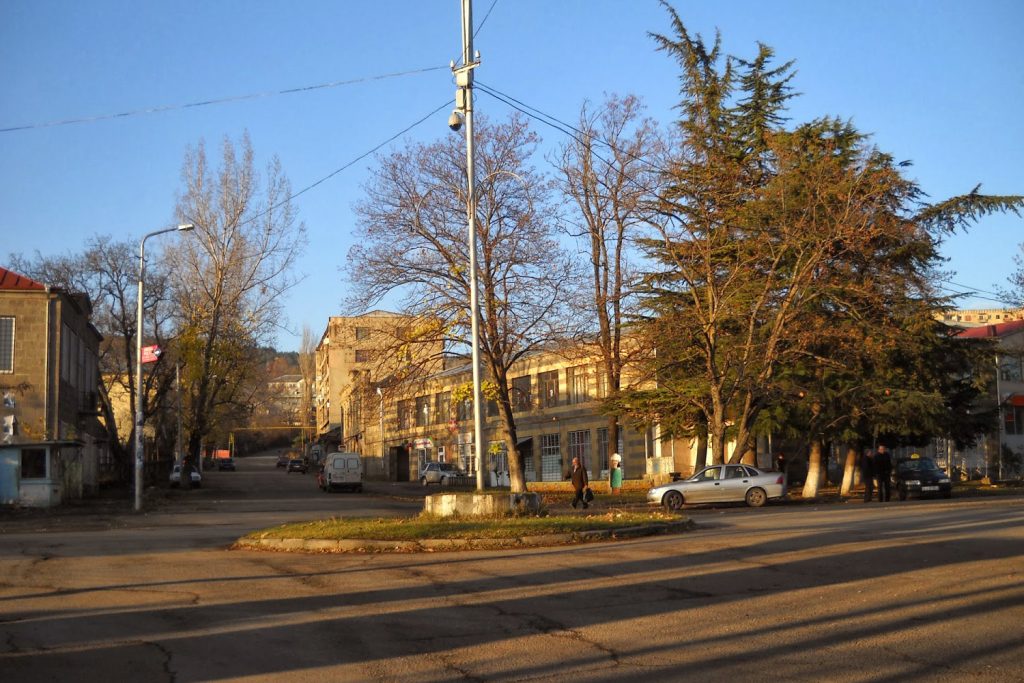
Garisoba (გარისობა) is the annual town festival of Tetritskaro, a small highland center in the Kvemo Kartli region south-west of Tbilisi. The name follows a common Georgian pattern: the suffix -oba turns a place name, a saint’s name or an occasion into “the feast of” that thing, exactly as it does in Tbilisoba (the feast of Tbilisi) or Alaverdoba (the feast of Alaverdi). The first element, “Gari,” is remembered locally as an older name associated with the settlement or the surrounding district before the town took its present name, Tetritskaro — literally “white spring,” from tetri (white) and tskaro (spring or fountain). Accounts of the exact root differ, and the festival’s name is best understood today as a proper noun belonging to the town rather than a term with a single fixed meaning.
Garisoba is celebrated chiefly by the residents of Tetritskaro town and the surrounding villages of Tetritskaro Municipality, together with natives who left for Tbilisi or abroad and return for the day. It is not a church feast and carries no liturgical calendar of its own; it belongs to the wider family of Georgian “town days” — civic, agricultural and musical celebrations that municipalities across the country hold once a year to mark local identity, display the autumn harvest and bring dispersed families back together.
Historical background
- c. 2100–1500 BCE — Bronze Age kurgan burials of the Trialeti culture, excavated across the plateau that includes the modern Tetritskaro district, produced gold and silver vessels now displayed by the Georgian National Museum.
- 11th–13th centuries — The Trialeti highlands form part of the unified Kingdom of Georgia, administered along the route linking Tbilisi with the southern provinces of Javakheti and Samtskhe.
- 1801 — Eastern Georgia, including the Trialeti district, is annexed by the Russian Empire and subsequently organised within Tiflis Governorate.
- 19th century — A roadside settlement grows around a noted spring on the route south of Tbilisi; the name Tetritskaro (“white spring”) gradually replaces older local toponyms, one of which is remembered today in the festival name Garisoba.
- 1921 — Georgia is sovietized; Tetritskaro becomes the administrative centre of a district (raion) of the Georgian SSR, and the cool, forested plateau develops as a dacha and sanatorium district for Tbilisi residents.
- Soviet period — Annual harvest fairs and “town day” celebrations, common to districts across the Georgian SSR, consolidate into a fixed autumn calendar event for Tetritskaro.
- 1991 — Georgian independence; responsibility for organising local festivals passes from the Soviet state apparatus to local administration.
- mid-2000s — Georgia’s reform of local self-government establishes Tetritskaro Municipality as the governing body that has since organised Garisoba as its flagship annual cultural event.
- 2020 — Garisoba, like most Georgian town festivals, is postponed or scaled back during the pandemic, resuming in subsequent years.
Kvemo Kartli has long been a crossroads region: a corridor between Tbilisi and the southern highlands, settled historically by Georgian, Armenian and Greek communities alongside Azerbaijani villages further south, and marked archaeologically by the Bronze Age Trialeti culture whose kurgans still dot the plateau. Tetritskaro itself sits above 1,100 metres, a climate that made it a favoured summer retreat for Tbilisi families in the Soviet era and that still shapes its agricultural calendar of potatoes, apples, dairy and livestock rather than the lowland grain and grape harvests of Kakheti.
Garisoba grew out of this agricultural rhythm: a late-season fair timed to the end of the potato and apple harvest, when roads are dry enough for villagers to bring produce and livestock into town and families have a natural pause before winter. Like many Georgian town days, it was formalised rather than invented — built on older seasonal gatherings and given a fixed municipal framework only in the twentieth century, then handed over to local self-government after independence.
Meaning and traditions
A typical Garisoba unfolds over a single day, occasionally stretching into a second. The morning centres on an agricultural and craft fair in the town’s main square and street, where households and farms from the surrounding villages display potatoes, apples, honey, cheese, wool and handwork, and where livestock and sometimes horses are shown. Folk ensembles perform Kartlian songs and dances, often alongside a children’s program and competitions. Traditional wrestling, known as chidaoba, and occasionally horse racing, tskhenosnoba, draw crowds in the afternoon. The day commonly closes with a concert on an outdoor stage, featuring local and sometimes well-known Georgian performers, and fireworks over the town.
Hospitality follows the pattern familiar across Georgia: households and returning relatives gather around a supra, the laid table, presided over by a tamada, or toastmaster, who leads a sequence of toasts to family, ancestors, guests and the town itself. Visitors invited to a private table are expected to raise a glass when toasted, though declining alcohol while remaining at the table is accepted practice. The word dgesaswauli, meaning festival or holiday in general Georgian usage, is the broader term under which municipal staff and local media describe the day, while Garisoba itself functions as a proper name specific to Tetritskaro.
Regional variations of the same “town day” format appear across Georgia under their own -oba names — Tbilisoba in the capital, Batumoba on the coast, and Alaverdoba in Kakheti, among others — each adapted to its own economy and calendar. Tetritskaro’s version is distinguished by its highland agricultural character and its comparatively intimate, locally organised scale.
When it happens
Garisoba does not fall on a fixed church or civil date. The municipality sets the date each year, typically on a weekend in early-to-mid October once the main harvest is in, and confirms it publicly only a few months or weeks beforehand. In 2026 the festival is understood to have already taken place earlier in the season; for 2027 organisers have indicated a likely window of 9–10 October, though this remains to be confirmed closer to the date. Travellers planning a visit around this period should check with the municipality or a local operator shortly before travel rather than relying on a fixed calendar entry.
Garisoba is not a national public holiday. Government offices, banks and transport across Georgia operate normally on the day; only schools and municipal offices within Tetritskaro Municipality may adjust their schedule locally to allow staff and pupils to take part.
Where to experience it
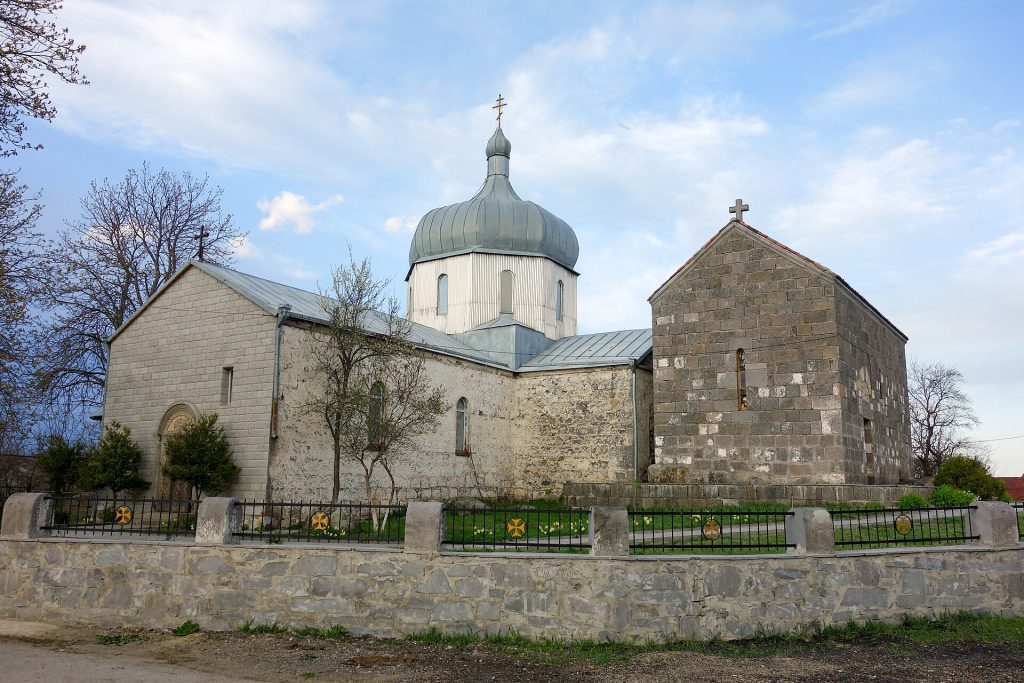
The festival centres on Tetritskaro’s main square and central street, where the fair stalls, stage and competitions are set up for the day, with overflow into the municipal stadium or adjacent open ground for sport events. Activity usually runs from mid-morning through to an evening concert and fireworks. Visitors are welcome to walk the fair, watch the wrestling and dance performances, and sample produce and food from stalls. If a visit coincides with a service at one of the district’s Georgian Orthodox churches, modest dress — covered shoulders and, for women, a head covering — is expected, and photography inside should be avoided unless clearly permitted. At private tables, accepting at least a token toast is courteous, and asking before photographing elders or performers up close is good practice.
Travel with GTour
The Georgia in 10 Days — Tbilisi to Svaneti to the Sea route runs through Kvemo Kartli on its way south, so an early departure around 9–10 October 2027 can be arranged to pass through Tetritskaro during Garisoba, while the shorter Tbilisi & Mtskheta — The Essential First Day can be extended with a side trip on request. A GTour travel expert will confirm the festival dates and design the itinerary around the guest’s own schedule.
Did you know
- Tetritskaro’s name, “white spring,” refers to natural springs that still feed streams in the Khrami river basin around the town.
- The Trialeti plateau, including the Tetritskaro district, was a favoured dacha and sanatorium area for Tbilisi residents during the Soviet period, owing to its elevation above 1,100 metres and cooler summer climate.
- The -oba suffix that gives Garisoba its name is the same grammatical device behind Tbilisoba, Alaverdoba and Mtskhetoba — each a “feast of” a specific place.
- Bronze Age kurgans of the Trialeti culture, scattered across the surrounding highlands, yielded some of the gold objects now considered centrepieces of the Georgian National Museum‘s collection.
- Kvemo Kartli, the region containing Tetritskaro, is historically one of Georgia’s most ethnically mixed regions, with Georgian, Armenian and Azerbaijani communities, and formerly a significant Greek population in neighbouring districts.
Practical tips for visitors
Tetritskaro lies roughly 75 kilometres south-west of Tbilisi, a drive of about ninety minutes by road; there is no direct rail service to the town. Marshrutka minibuses run from Tbilisi to Tetritskaro, though schedules can be irregular and are best checked locally rather than assumed in advance. October weather on the plateau is noticeably cooler than in Tbilisi, so warm layers and a waterproof layer are advisable even on a sunny day. Accommodation in Tetritskaro itself is limited to a handful of guesthouses, so visitors wishing to stay overnight around the festival should book ahead or plan a day trip from Tbilisi instead. GTour arranges a private driver or guide for the day for visitors who prefer not to rely on local public transport.
Combine it with
A trip to Garisoba pairs naturally with a day based in Tbilisi, from which Tetritskaro is an easy excursion. The route south also opens onto the wider Kartli region’s fortresses and monasteries, and, for travellers with more time, continues toward the highland churches and fortress towns of Samtskhe-Javakheti.
Questions travellers ask
Is Garisoba open to tourists?
Yes. It is a public, outdoor town festival with no entry requirements, and visitors are welcome to walk the fair, watch performances and sit in on parts of the program open to the public.
What does “Garisoba” mean?
It combines the Georgian suffix -oba, meaning “feast of,” with “Gari,” locally understood
Sources
- Kvira.ge, regional news report
- Kvira.ge, regional news report
- Georgia.travel — Kvemo Kartli region overview
- Geostat.ge — Tetritskaro Municipality statistical profile
- Gov.ge — Tetritskaro Municipality City Hall page
- Agenda.ge — search results for Tetritskaro
- Georgia Today — Tetritskaro coverage
- Interpressnews — Tetritskaro news
Plan your Georgia
Want to be in Georgia for Garisoba? A GTour travel expert designs the itinerary around it and calls you back.
Panoramic view of Tetritskaro town, host of the annual Garisoba festival, framed by mountains. · Photo: Labrang / Wikimedia Commons, CC BY-SA 4.0
This page in other languages: Русский
GTour conciergeAsk anything about Georgia · we reply within hours