Archives


Jazz and Wine Kakheti in Georgia: dates, meaning and how to experience it
Next dates
9 October 2027 (to be confirmed) · Tsinandali Estate, Kakheti. See the full events calendar and Georgia today for roads and weather.
What it is
Jazz and Wine Kakheti is a contemporary cultural festival held in the historic park of Tsinandali Estate, the former family seat of the Chavchavadze princes in Georgia’s eastern wine region. Unlike the older religious and agricultural feasts of the Georgian calendar, this is a modern event: its name is a plain English description rather than a translation of an old Georgian term, though Georgians commonly refer to it informally as “jazi da ghvino” — “jazz and wine.” The word “Kakheti,” appended to the name, refers to the historic province east of Tbilisi that has produced wine for millennia and that supplies most of the grapes used in Georgian winemaking today.
The audience is broad: Tbilisi residents making a weekend trip, Georgian wine professionals, and international travellers who combine a concert with a tasting of Kakhetian reds and ambers. It is not a family or church festival in the traditional sense, and no particular social group is expected to attend; it functions instead as a ticketed cultural event that uses Georgia’s winemaking heritage and a landmark estate as its stage. For visitors trying to understand Georgian hospitality and wine culture in a single evening, it offers a curated, accessible version of traditions that in villages unfold over days at the family supra.
Historical background
- c. 6000 BCE — Archaeological evidence from sites in eastern Georgia points to some of the earliest known fermentation of grapes in qvevri, the large clay vessels still used in Kakheti today.
- early 19th century — Alexander Chavchavadze (1786–1846), Georgian poet, military officer and diplomat, establishes the Tsinandali estate and plants a vineyard that combines traditional qvevri fermentation with European winemaking methods he observed abroad.
- 1828 — Chavchavadze’s daughter Nino marries the Russian playwright and diplomat Alexander Griboedov in Tbilisi; the couple reportedly spent time at Tsinandali before Griboedov’s posting to Persia.
- 1854 — During the Caucasian War, forces associated with Imam Shamil raid Tsinandali and take members of the Chavchavadze family captive; they are later ransomed, an episode still recounted at the estate.
- mid-20th century — Tsinandali is converted into a state museum and working wine cellar, preserving the house, the English-style park and historic bottled vintages.
- 2013 — UNESCO inscribes the ancient Georgian traditional qvevri wine-making method on the Representative List of the Intangible Cultural Heritage of Humanity.
- 2019 — Tsinandali Estate opens a purpose-built open-air amphitheatre and launches an annual classical music festival, drawing international orchestras and soloists to Kakheti.
- early 2020s onward — the estate’s autumn programme expands to include jazz-focused evenings paired with Kakhetian wine tastings in the park, marketed as Jazz and Wine Kakheti.
Tsinandali’s significance predates any festival. Alexander Chavchavadze was a central figure of Georgian Romanticism, and his estate became a meeting point for writers, aristocrats and European travellers passing through the Caucasus in the nineteenth century. The 1854 raid, in which his wife, daughters and other relatives were taken during the turmoil of the Caucasian War, remains one of the more dramatic episodes associated with the house and is documented in regional histories of the period. The estate’s survival through the upheavals of the twentieth century, including its conversion into a Soviet-era museum, preserved both the architecture and a cellar of historic wines that still exists today.
The jazz element is recent and openly presented as such by its organisers: it does not claim ancient roots, but it draws directly on the estate’s two genuine inheritances — a built landscape created by a nineteenth-century reformer who modernised Georgian winemaking, and a wine culture old enough to have its own UNESCO-recognised method. The festival’s planners schedule the jazz evenings in October, after the main grape harvest (rtveli) has finished, when the park is quiet, the light is low, and the new vintage is already fermenting in qvevri nearby.
Meaning and traditions
An evening typically combines an outdoor jazz performance, Georgian and sometimes international musicians, with tasting stations set up by Kakhetian wineries in the estate’s park and cellar. Visitors move between a stage area and tasting tents, sampling wines made from Rkatsiteli and Saperavi, the region’s signature white and red grape varieties, often served in both the amber, skin-contact style and more conventional styles. Food stalls commonly offer regional dishes such as khachapuri (cheese-filled bread), mtsvadi (grilled meat skewers) and churchkhela (a sweet made from grape must and nuts), giving visitors a practical introduction to Kakhetian cuisine alongside the wine.
Georgian hospitality customs surface informally through the evening even outside a formal supra (feast). A tamada, or toastmaster, may lead toasts at winery tables, and the exclamation gaumarjos (“to victory,” used as “cheers”) is common when glasses are raised. The vessel at the centre of it all, the qvevri, is usually on display somewhere in the cellar or park, giving visitors unfamiliar with Georgian wine a chance to see how it is made before tasting the result. Regional contrast is part of the appeal: Kakhetian winemakers tend to ferment with grape skins and stems for extended periods, producing deep amber wines, a method distinct from the shorter, cooler fermentation more typical in western regions such as Imereti.
When it happens
There is no fixed date tied to the Georgian Orthodox or civil calendar; Jazz and Wine Kakheti is scheduled by Tsinandali Estate and its festival organisers each year, usually for a weekend in October, after the grape harvest is largely complete and before autumn weather turns cold. As of October 2026, organisers have provisionally set the next edition for 9 October 2027, with the date described as subject to confirmation closer to the event. Travellers planning around this festival should check the organiser’s listings in the months beforehand rather than relying on a fixed annual date.
The festival is not a public holiday, and it has no effect on government offices, banks or standard business hours anywhere in Georgia, including in Kakheti. It is a privately organised, ticketed cultural event rather than a day of national observance.
Where to experience it
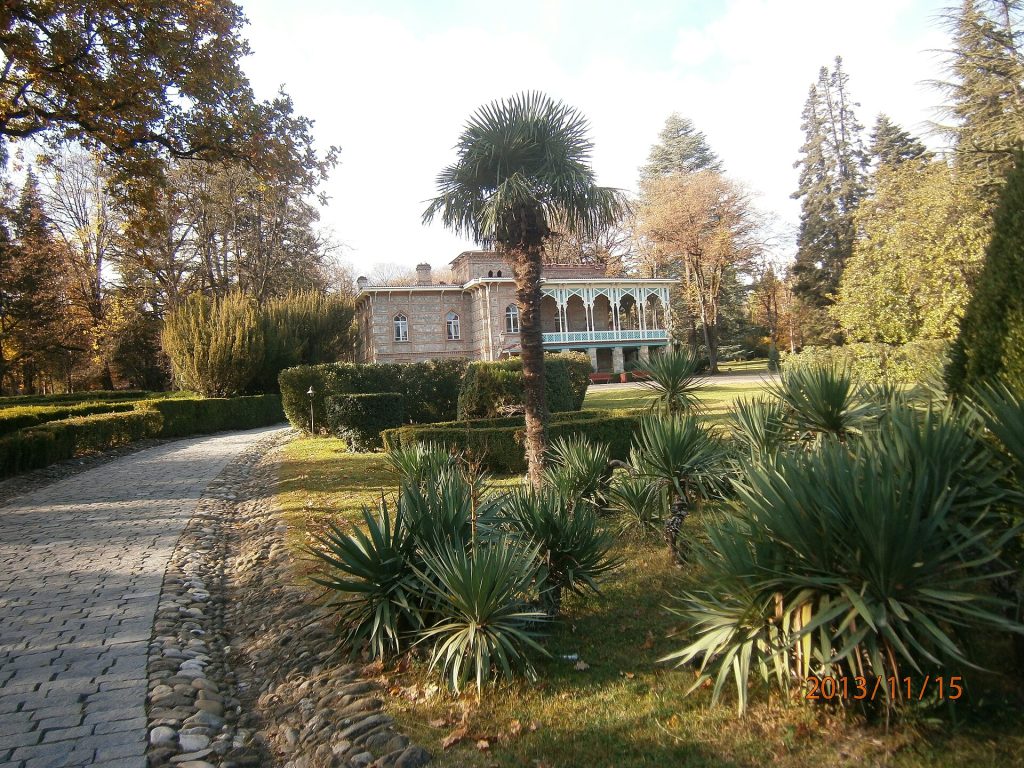
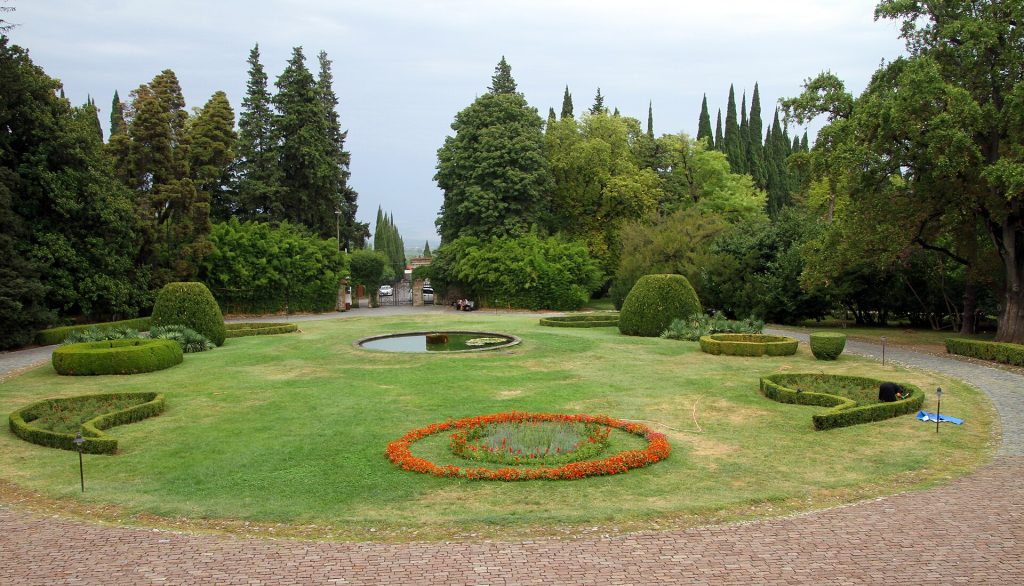
The festival takes place within the grounds of Tsinandali Estate near the town of Telavi, roughly 90 minutes by road from Tbilisi. The evening programme unfolds in the estate’s historic park, landscaped in the nineteenth century with imported trees and now home to the open-air amphitheatre, with tasting areas set up along the garden paths and in or near the old wine cellar. Visitors can also tour the Chavchavadze family house-museum, which displays period furniture, portraits and documents relating to the family and their literary circle, typically open to visitors earlier in the day before the evening’s music and wine programme begins.
Nearby Telavi and the walled town of Signagi make convenient bases for an overnight stay, and both offer access to Alaverdi Monastery, one of the tallest cathedrals in Georgia and a working site of Orthodox worship. Visitors entering any church in the region, including on a festival weekend, should dress modestly, with shoulders and knees covered, and women are generally expected to cover their heads inside the sanctuary; photography during services is discouraged unless clearly permitted.
Did you know
- The qvevri method used across Kakheti was inscribed on UNESCO’s Representative List of Intangible Cultural Heritage in 2013, recognising a technique archaeologists trace back thousands of years in the region.
- Alexander Chavchavadze is remembered as a founding figure of Georgian Romantic poetry as well as a wine reformer, blending literary and agricultural legacies at the same estate.
- Nino Chavchavadze, who married the playwright Alexander Griboedov in 1828, is buried beside him at the Mtatsminda Pantheon in Tbilisi, where her epitaph is still cited in Georgian literature courses.
- Kakheti remains Georgia’s principal wine-growing province, and the Tsinandali name itself has been used continuously for wine produced on the estate since the nineteenth century.
- The estate’s historic cellar preserves bottles from well before the Soviet period, surviving both the 1854 raid during the Caucasian War and the political upheavals of the twentieth century.
Practical tips for visitors
Tsinandali Estate lies about 90 minutes from Tbilisi by car; renting a vehicle, joining an organised tour, or hiring a private driver are the practical options, since there is no direct rail service to the estate itself. October evenings in Kakheti can turn cool once the sun sets, so visitors should bring a warm layer even if the afternoon is mild. Tickets for the festival are typically sold online in advance through the organiser’s channels and may sell out, so early booking is advisable, along with booking accommodation in Telavi or Signagi ahead of the weekend. GTour arranges a private driver or guide for the day for travellers who prefer not to drive themselves on the Kakheti Highway after an evening of wine tasting.
Combine it with
Jazz and Wine Kakheti pairs naturally with a broader visit to Kakheti, Georgia’s main wine region, and with a stay in Tbilisi for the museums and literary sites connected to the Chavchavadze and Griboedov families. Travellers interested in contrasting wine traditions may also combine the trip with Racha, a mountain region with its own distinct winemaking style and semi-sweet wines.
Questions travellers ask
Is Jazz and Wine Kakheti the same event as the Tsinandali Festival?
No. The Tsinandali Festival is the estate’s larger, classical-music programme, usually held earlier in the season with international orchestras. Jazz and Wine Kakheti is a related but separate, smaller autumn programme centred on jazz performance and wine tasting.
Do I need to buy tickets in advance?
Yes. Tickets are generally sold online through the festival organiser ahead of the event and can sell out, particularly for evenings with well-known performers.
What should I wear?
Smart-casual, layered clothing is appropriate; October evenings in Kakheti can be cool after sunset, and footwear suitable for walking on park paths and gravel is recommended.
Can I drive myself from Tbilisi?
It is possible, but because the evening involves wine tasting, many visitors prefer a private driver, an organised tour, or an overnight stay in Telavi rather than driving back to Tbilisi the same night.
Is the festival suitable for children?
The event is built around an evening concert and wine tasting and is oriented toward adults; families with children are not excluded, but there is little programming specifically designed for younger visitors.
Is this a public holiday in Georgia?
No. It is a privately organised cultural event with no effect on national public holidays, government schedules, or standard business hours.
What wines are typically served?
Expect Kakhetian wines made from Rkatsiteli and Saperavi grapes, often including amber (skin-contact) styles fermented in qvevri alongside more conventional reds and whites.
What happens if the weather turns bad?
As an outdoor evening event, the festival is weather-dependent; organisers generally announce any changes or indoor contingency arrangements shortly before the scheduled date, so checking official channels close to the event is advisable.
Sources
- Tsinandali Festival
- Georgian National Tourism Administration
- Ancient Georgian traditional Qvevri wine-making method, UNESCO ICH
- National Wine Agency of Georgia
- Ministry of Culture, Sport and Youth of Georgia
- National Parliamentary Library of Georgia
Plan your Georgia
Want to be in Georgia for Jazz and Wine Kakheti? A GTour travel expert designs the itinerary around it and calls you back.
Tsinandali Estate's historic palace and park, the venue for the Jazz and Wine festival. · Photo: Gerd Eichmann / Wikimedia Commons, CC BY-SA 4.0
This page in other languages: Русский
GTour conciergeAsk anything about Georgia · we reply within hours