Archives


International Museum Day and Museum Night in Georgia: dates, meaning and how to experience it
Next dates
18 May 2027 · Museums nationwide. See the full events calendar and Georgia today for roads and weather.
What it is
International Museum Day — in Georgian, muzeumis saertashoriso dghe (მუზეუმის საერთაშორისო დღე), literally “day of the museum, international” — is the annual observance set by the International Council of Museums (ICOM) and marked in more than 150 countries, Georgia among them. It is not a Georgian invention and carries no religious or folk origin; it is a modern, administrative holiday that Georgian state and municipal museums have adopted as their collective open house. The companion event, Museum Night (muzeumebis ghame, მუზეუმების ღამე), is a local extension of the same week: galleries and historic houses that normally close at five or six in the evening stay lit and staffed well into the night.
Who celebrates it in Georgia is, in practice, anyone who walks through a museum door on the day. The audience is deliberately broad — school groups bused in for a free field trip, Tbilisi families who have never visited the Janashia Museum’s gold hall, foreign residents, and tourists whose itinerary happens to coincide with 18 May. The Ministry of Culture, Sport and Youth of Georgia and the Georgian National Museum coordinate the national programme, while regional museums in Batumi, Kutaisi, Zugdidi, Telavi, Gori and Mestia set their own hours and themes under the same umbrella.
Historical background
- 1852 — The Caucasian Museum opens in Tiflis under the Caucasian branch of the Imperial Russian Geographical Society, the direct institutional ancestor of today’s Georgian National Museum.
- 1946 — The International Council of Museums (ICOM) is founded in Paris as the global professional body for museums.
- 1977 — ICOM establishes International Museum Day, to be marked worldwide on or around 18 May.
- 1978 — The first International Museum Day is observed internationally, with national committees invited to organise local events.
- 1997 — The “long night of museums” format, pairing extended evening hours with free entry, spreads across European cities and is later echoed in Tbilisi’s own Museum Night.
- 2004 — The Georgian National Museum is created, unifying major Tbilisi institutions — including the Simon Janashia Museum of Georgia, the Niko Pirosmani collections and the Open Air Museum of Ethnography — under a single administration, which now coordinates much of the country’s 18 May programming (museum.ge).
- 2010s — Georgian state museums begin pairing the free daytime entry of 18 May with evening “Museum Night” openings the same week, a pattern promoted by the Ministry of Culture (culture.gov.ge).
- 2020 — Pandemic restrictions push International Museum Day online in Georgia, with virtual tours replacing crowded galleries.
- 2026 — Museums nationwide again offer free admission on 18 May, with late-night openings in Tbilisi the same week, as listed by the Georgian National Tourism Administration (georgia.travel).
Georgia’s museum culture predates the modern observance by well over a century. The Caucasian Museum of 1852 was built on the scientific and ethnographic collecting habits of the Russian imperial administration in the South Caucasus, and its early holdings — natural history specimens, archaeological finds from Colchis and Trialeti, and ethnographic material from across the Caucasus — formed the nucleus of what is now displayed across several buildings in Tbilisi. Through the Democratic Republic of Georgia, the Soviet period and independence after 1991, these collections were reorganised repeatedly, culminating in the 2004 creation of the unified Georgian National Museum, which today administers more than a dozen branches, from the Tbilisi History Museum to the Stalin Museum in Gori.
International Museum Day itself arrived in Georgia as part of a global professional calendar rather than a local tradition, but it has been absorbed readily into the country’s public life. Because so many of Georgia’s most significant museums are state-run and already free or low-cost for citizens, the day functions less as a financial incentive and more as a marketing and access event — a single date when curators mount small temporary shows, open storage areas are unlocked for public tours, and attendance, which can lag for mid-sized regional museums the rest of the year, spikes noticeably.
Meaning and traditions
There is no liturgy or folk ritual attached to International Museum Day; its “traditions” are institutional and recent. Georgian museums typically waive entry fees for the day, extend opening hours, and schedule guided tours, lectures and children’s workshops. ICOM sets an annual global theme — addressing subjects such as sustainability, community or education — and Georgian institutions frame at least part of their programming around it, though many simply use the date to showcase permanent collections to a larger-than-usual public.
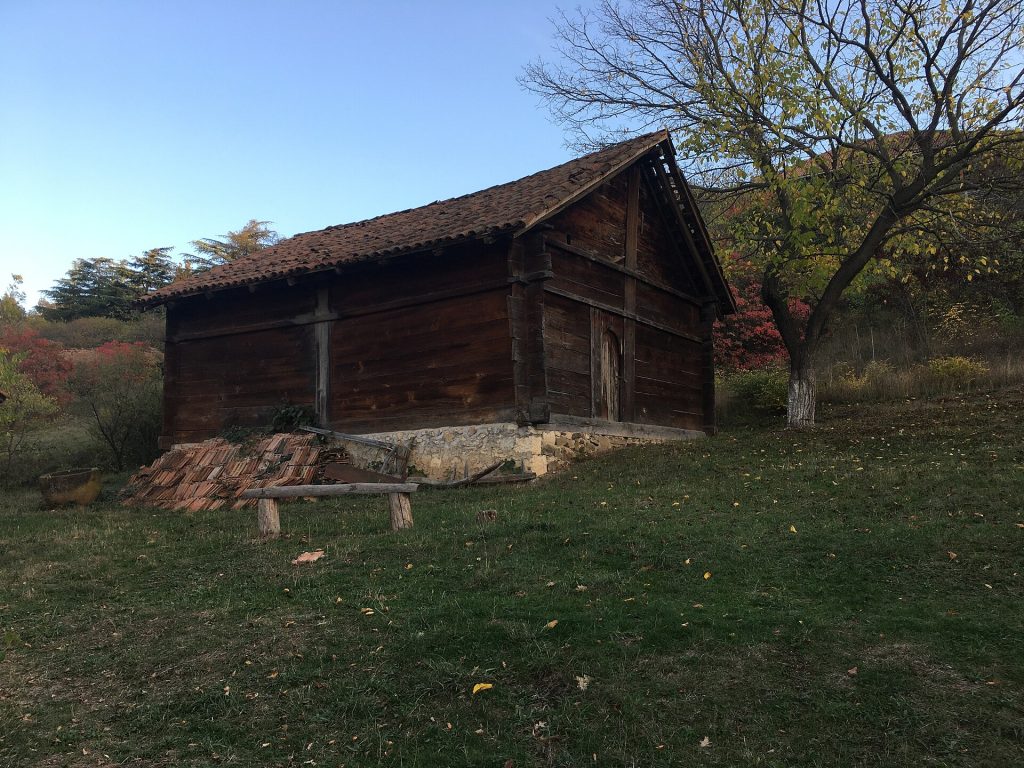
During Museum Night, the atmosphere shifts noticeably from the daytime observance: galleries stay open after dark, sometimes with live music, short performances or pop-up food stalls outside, and visitors move between several institutions in one evening, a practice locals increasingly refer to with the Georgian phrase muzeumebis ghame rather than the formal international title. Regional variation is considerable. In Tbilisi, the National Gallery, the Georgian National Museum’s branches on Rustaveli Avenue, and the Open Air Museum of Ethnography on the slopes above Vake Park are the anchors of the evening; in Batumi, the Adjara Art Museum and the Batumi Archaeological Museum hold their own programme, often timed to coincide with the warmer spring evenings; in Zugdidi, the Dadiani Palace Museum opens its grounds later than usual, drawing visitors from across Samegrelo.
When it happens
International Museum Day falls on a fixed calendar date, 18 May, set annually by ICOM and followed by Georgian institutions regardless of the day of the week. In 2026 it fell on Monday, 18 May; in 2027 it will fall on Tuesday, 18 May. It is not a public holiday in Georgia — government offices, banks and most businesses operate normally, and private shops and restaurants keep standard hours. The only visible change is at museums themselves: state institutions typically offer free admission on the day itself, with several extending hours into the evening, and Museum Night events are usually scheduled on a weekend within the same week to maximise attendance, so visitors should check individual museum listings for the exact evening.
Where to experience it
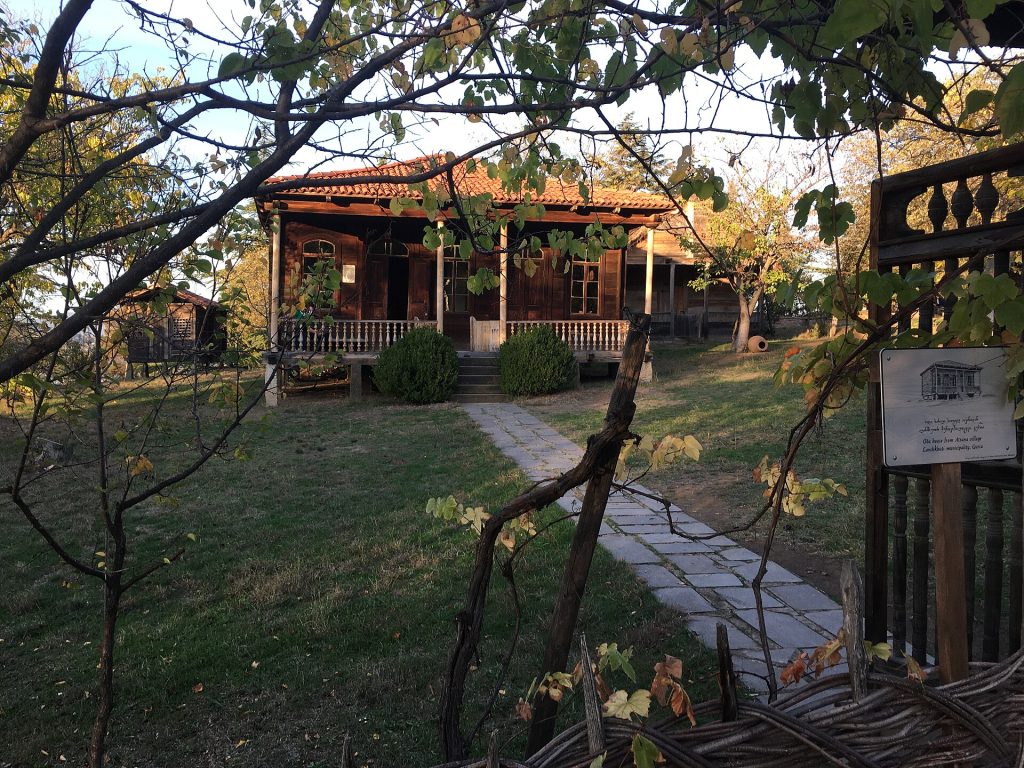
In Tbilisi, the Georgian National Museum’s Rustaveli Avenue buildings — the Simon Janashia Museum of Georgia, home to the Colchis and Trialeti gold collections, and the adjacent Fine Arts Museum — are the busiest points on the day, typically open from morning until late evening with free entry. The Open Air Museum of Ethnography, a hillside collection of reassembled traditional houses from Georgia’s regions, is especially rewarding in May, when the surrounding park is green and the wooden balconies and churns, tools and looms inside each house can be examined up close. Smaller venues worth combining into an evening route include the Tbilisi History Museum (Karvasla) in the Old Town and the National Parliamentary Library’s exhibition halls (nplg.gov.ge), which sometimes opens rare manuscripts to public view for the occasion.
Outside the capital, the Dadiani Palace Museum in Zugdidi, the Batumi Archaeological Museum, and the Niko Pirosmani birthplace museum near Signagi in Kakheti typically take part with their own free days. Etiquette is straightforward: dress is casual, but visitors entering museum buildings that occupy former churches or palaces should still remove hats and keep voices low in devotional spaces; photography rules vary by room and are usually posted at the entrance, with flash photography generally prohibited near paintings, icons and textiles.
Travel with GTour
Tbilisi & Mtskheta — The Essential First Day can open or close in Tbilisi on 18 May, allowing free entry and late-night museum openings to fit naturally between the city’s historic sites, while Georgia in 10 Days — Tbilisi to Svaneti to the Sea can be arranged so its Tbilisi days coincide with the same week. A GTour travel expert designs the route around the guest’s dates.
Did you know
- The Georgian National Museum’s Simon Janashia branch holds gold and jewellery from the ancient kingdom of Colchis, the setting of the Greek myth of the Golden Fleece.
- The predecessor of today’s national museum network, the Caucasian Museum, opened in Tiflis in 1852, making Georgia’s organised museum tradition more than 170 years old.
- ICOM, which created International Museum Day in 1977, sets a different global theme each year, which Georgian museums incorporate into their own temporary exhibitions.
- The Open Air Museum of Ethnography above Vake Park in Tbilisi displays original wooden houses physically relocated from Svaneti, Racha, Adjara and other regions rather than replicas.
- The Dadiani Palace Museum in Zugdidi preserves a death mask of Napoleon Bonaparte, acquired through the Dadiani family’s dynastic ties to France.
Practical tips for visitors
Book nothing in advance for free entry — it is granted at the door — but arrive early at flagship sites such as the Janashia Museum and the Fine Arts Museum, since queues form by mid-morning. Tbilisi’s main museum cluster around Rustaveli Avenue is walkable from the Rustaveli and Freedom Square metro stations; the Open Air Museum of Ethnography is best reached by taxi or ride-hailing app, as public transport options are limited. Late May evenings in Tbilisi are mild, so light layers are sufficient for Museum Night, though evenings in higher regions such as Mestia or Kazbegi can still be cool. Check individual museum social media or the Georgian National Tourism Administration listings (georgia.travel) a few days ahead, since evening hours and specific Museum Night dates can shift slightly year to year.
Combine it with
Pair a museum-focused visit with wine and manuscript heritage in Kakheti, with Tbilisi’s own layered museum and gallery scene in Tbilisi, or with the Dadiani Palace and Colchian archaeology in Imereti.
Questions travellers ask
Is International Museum Day a public holiday in Georgia?
No. Offices, banks and shops operate on their usual schedule on 18 May; only museums adjust their hours and pricing for the day.
Are all Georgian museums free on 18 May?
Most state and municipal museums waive entry fees that day, but some privately run galleries and specialised collections may not participate, so it is worth checking individual listings in advance.
What is Museum Night and is it the same date as Museum Day?
Museum Night is a late-opening evening event, usually scheduled on a weekend within the same week as 18 May rather than on the date itself, with museums staying open well past their normal closing time.
Which Tbilisi museums should a first-time visitor prioritise?
The Simon Janashia Museum of Georgia for the Colchis and Trialeti gold, the Fine Arts Museum for Georgian painting and medieval metalwork, and the Open Air Museum of Ethnography for traditional regional architecture cover the broadest cross-section in a single day.
Do children’s programmes run on the day?
Many museums schedule workshops, trails or short talks aimed at school-age visitors on and around 18 May, though specific activities vary by institution and should be confirmed locally.
Is it necessary to book tickets ahead of time?
No advance booking is generally required for free entry, though very popular venues can form queues by mid-morning on the day itself.
What should visitors wear or avoid doing inside the museums?
Casual dress is acceptable everywhere; visitors should avoid flash photography near paintings and textiles and keep noise levels down in any museum housed inside a former church or palace chapel.
Can this event be combined with a regional day trip?
Yes — many visitors pair a morning in Tbilisi’s museums with an afternoon drive to Mtskheta or a Kakheti wine estate, since 18 May falls in late spring when regional roads and sights are fully open.
Sources
- Georgian National Museum
- Ministry of Culture, Sport and Youth of Georgia
- Georgian National Tourism Administration
- National Parliamentary Library of Georgia
- Tbilisi City Hall
- Georgian National Museum – International Museum Day info
Plan your Georgia
Want to be in Georgia for International Museum Day and Museum Night? A GTour travel expert designs the itinerary around it and calls you back.
Tbilisi History Museum (Karvasla), one of the Georgian museums open for the day. · Photo: Dr Korom / Wikimedia Commons, CC BY-SA 4.0
This page in other languages: Русский
GTour conciergeAsk anything about Georgia · we reply within hours