Archives


Zero Compromise in Georgia: dates, meaning and how to experience it
Next dates
1 May 2027 – 2 May 2027 (to be confirmed) · Tbilisi. See the full events calendar and Georgia today for roads and weather.
What it is
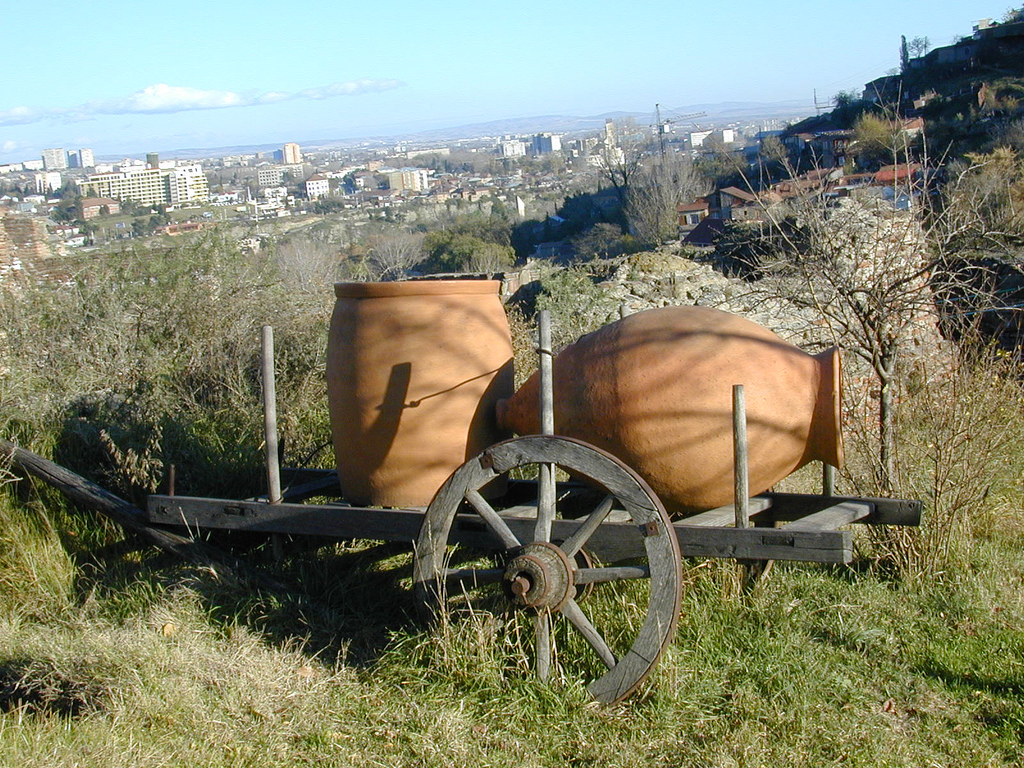
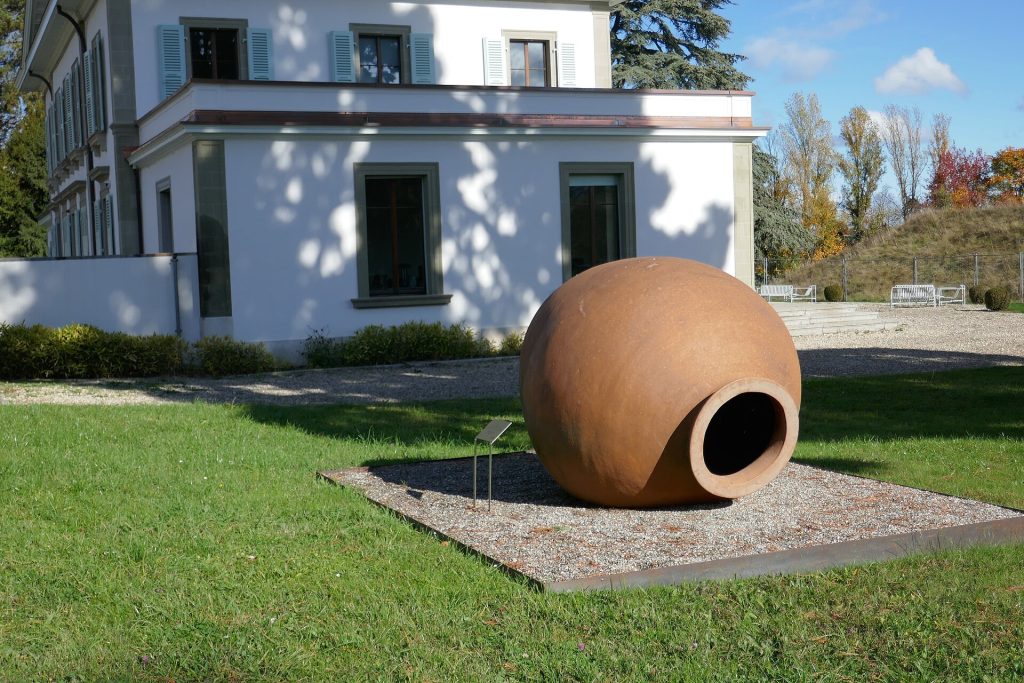
Zero Compromise is a public tasting fair held in Tbilisi at which small, independent Georgian wineries pour wines made without synthetic additives, industrial yeasts, excessive sulfur, fining or filtration. The name is English, not Georgian, and functions as a manifesto rather than a traditional festival title: it states the fair’s single admission criterion for producers — “zero compromise” on how the wine is made. Many of the wines shown are fermented and aged in qvevri (ქვევრი), the large egg-shaped earthenware vessel buried in the floor of a marani (wine cellar) that has given Georgian amber and red wines their character for millennia. The word qvevri itself is an old Georgian term for a large clay jar or vessel, used for wine long before it acquired any romance abroad.
The event is celebrated, in the loosest sense, by Georgia’s natural-wine community: family growers from Kakheti, Imereti, Kartli, Racha and smaller regions who work parcels of indigenous vines, together with sommeliers, importers, journalists and curious drinkers. It is not a religious observance, a state holiday or an ancient rite — it is a contemporary trade-and-public fair built on an ancient technique, and it has become one of the clearest windows a visitor has into how Georgians actually talk about, make and argue over wine.
Historical background
- c. 6000 BCE — Chemical residue analysis of pottery sherds from Neolithic sites in Kvemo Kartli, including Gadachrili Gora, indicates grape-wine fermentation, among the earliest such evidence found anywhere, as reported by National Geographic.
- Antiquity to the 19th century — Qvevri burial fermentation continues as the dominant household method across Georgian villages, largely unchanged in principle, surviving successive empires.
- 1921–1991 — Under Soviet administration, state wineries favour large-scale, standardised production; qvevri winemaking is marginalised commercially but persists in family cellars for home and local use.
- 1990s — After independence, economic hardship paradoxically preserves small-scale qvevri practice, since many households return to subsistence winemaking; a handful of growers begin bottling qvevri wine for sale.
- 2013 — UNESCO inscribes the “Ancient Georgian traditional Qvevri wine-making method” on the Representative List of the Intangible Cultural Heritage of Humanity, recognising it as a living tradition rather than a museum piece, per UNESCO.
- Mid-2010s — International sommeliers and importers adopt the term “orange wine” for skin-contact whites, drawing new attention to Georgian producers who had never abandoned the practice.
- 2016 onward — Independent growers working without synthetic additives begin organising their own public tastings in Tbilisi, outside state and corporate wine exhibitions, under the banner Zero Compromise; dates and venues are set anew each year by the organising producers.
- Today — The fair runs as an annual, non-official event on the first weekend of May, alongside a growing calendar of Georgian wine gatherings including the New Wine Festival.
The deeper story behind Zero Compromise is the survival of the qvevri method itself. For most of the twentieth century, Georgia’s wine identity abroad was shaped by Soviet-era brands and large cooperatives, while the household marani, with its buried clay vessels and families’ own grape varieties, continued quietly in villages largely unseen by outsiders. When UNESCO recognised the qvevri method in 2013, it formalised what village families already knew: that this was not folklore but an unbroken working technique, still feeding supra tables every autumn.
Zero Compromise grew out of that same generation of small growers, many of them the children or grandchildren of home winemakers, who began bottling their qvevri wines commercially in the 2000s and 2010s and found an eager audience among natural-wine drinkers abroad before they found one at home. The fair gives that audience, and curious Tbilisi residents, direct access to producers who might otherwise only be found driving an unmarked van along a Kakhetian back road.
Meaning and traditions
At Zero Compromise, winemakers stand behind their own tables pouring directly from bottle or occasionally straight from a qvevri brought to the venue, rather than sending wine through distributors or retailers. Visitors move between tables with a tasting glass, talk to the grower, and are expected to ask questions: which grape, which village, how long the skins stayed in contact with the juice, whether any sulfur was added at bottling. This direct, unhurried exchange is itself part of the culture being showcased — Georgian wine has traditionally been explained person to person, at a family table, not read off a label.
Key terms worth knowing: gvino (ღვინო) simply means wine; rkatsiteli, mtsvane and kisi are major white grape varieties typically given long skin contact to produce amber wine; saperavi is the principal red variety, one of the few grapes worldwide with red flesh as well as red skin; chacha is the pomace brandy distilled from the same grape skins after pressing; supra is the traditional feast table, with a tamada as toastmaster, though Zero Compromise itself is an informal standing tasting rather than a seated supra. Snacks sold or served alongside tastings tend to be simple and wine-friendly: bread, aged cheese, walnuts, churchkhela.
Regional style is a constant topic of conversation at the tables. Kakhetian qvevri wine, in eastern Georgia, is traditionally fermented with full skins, seeds and sometimes stems, producing deep amber whites and structured reds. The west Georgian method, associated with Imereti, typically destems the grapes and uses shorter skin contact, yielding lighter, more floral results. Producers from Racha, Kartli and smaller pockets bring their own local grape varieties, some nearly extinct a generation ago and now kept alive largely because small natural-wine producers chose to replant them.
When it happens
Zero Compromise does not follow a fixed calendar date; organisers set the weekend each year, and it has fallen consistently around the first weekend of May, timed to the start of Tbilisi’s warmer, outdoor-friendly season. It is not a public holiday and has no effect on offices, banks or transport; it is a ticketed public event layered onto an ordinary working weekend. In 2026 the fair is expected to return on 1–2 May 2027, with exact dates and venue to be confirmed by organisers closer to the date. Visitors planning a trip around it should check confirmation in the weeks beforehand rather than book travel on the tentative date alone.
Where to experience it
Recent editions have taken place in central Tbilisi, typically in a converted industrial or courtyard venue large enough to host dozens of producer tables, live music and informal food stalls; the precise address changes from year to year and is announced by organisers ahead of the event. A visitor arriving at the door buys an entry ticket and a tasting glass, then works their way around tables grouped loosely by region, stopping to talk, taste and sometimes buy bottles directly from the winemaker. Outside the fair itself, Tbilisi’s Old Town natural-wine bars, most notably long-running venues near Sioni and Erekle II streets, pour many of the same producers’ wines year-round, making the city a reliable base for tasting even outside fair dates.
Etiquette is informal but considerate: pace tastings, it is acceptable to pour out a small amount rather than finish every glass, and producers appreciate genuine questions over performative connoisseurship. If a visit extends into a private home or a winery cellar visit in the regions, standard Georgian hospitality customs apply — a toast should generally be answered, and a host offering wine from their own qvevri is offering something personal, not merely a product.
Travel with GTour
If visiting Tbilisi for the early-May qvevri pours at Zero Compromise, the trip can be extended toward Kakheti or Racha afterward, though the full wine-harvest atmosphere of Rtveli — Wine Harvest in Kakheti (3 Days, September–October) belongs to autumn, while Racha — Khvanchkara Wine & Mountain Lakes (2 Days) runs independent of season and pairs well with a spring visit. A GTour travel expert designs the route around the guest’s dates, balancing the festival schedule with whichever tour fits the calendar.
Did you know
- Residue analysis on Neolithic pottery from Kvemo Kartli points to grape-wine fermentation around 6000 BCE, among the earliest documented anywhere in the world.
- The qvevri method was inscribed by UNESCO on the Representative List of Intangible Cultural Heritage in 2013, recognising a technique still in daily household use.
- Georgian ampelographers have catalogued several hundred indigenous grape varieties, one of the largest native grape pools of any wine-producing country.
- The international “orange wine” category, now fashionable in wine bars worldwide, describes a skin-contact technique Georgian households had practised, unnamed, for millennia.
- Many family qvevri cellars survived the Soviet period not through official support but because households kept making small quantities for their own supra tables.
Practical tips for visitors
Central Tbilisi venues are walkable from most hotels in the Old Town, Vera and Sololaki districts; taxis and ride-hailing apps are inexpensive and the easiest option if the venue is farther out. Dress casually and comfortably, since tastings involve standing and moving between tables for an extended period, often partly outdoors; early May in Tbilisi is generally mild and warm by day with cooler evenings, so a light layer is worth carrying. Tickets for recent editions have been sold online in advance and some sessions have sold out, so securing a ticket once dates are confirmed is advisable rather than assuming walk-up entry. As the fair is not a public holiday, no closures of shops, banks or transport should be expected in connection with it.
Combine it with
A trip timed around Zero Compromise pairs naturally with a visit to Kakheti, Georgia’s largest wine region and the source of most Kakhetian-style qvevri wine shown at the fair, or Imereti, home to the lighter west Georgian qvevri style and its own distinct grape varieties. Staying based in Tbilisi itself makes sense for the fair weekend, with day trips into the wine regions before or after.
Questions travellers ask
Is Zero Compromise open to the general public, or only to the wine trade?
It is open to the public as a ticketed tasting event, though trade visitors, sommeliers and journalists also attend. Anyone with an interest in wine can buy entry and taste alongside industry professionals.
Do I need to book tickets in advance?
Previous editions have sold tickets online ahead of the event, and some sessions have sold out close to the date. Booking as soon as dates are confirmed is recommended rather than relying on entry at the door.
Is this connected to any religious holiday or official public holiday?
No. Zero Compromise is a contemporary, privately organised trade-and-public fair with no religious or state-holiday status, and it has no effect on banks, offices or public transport schedules.
What is the difference between “natural wine” and ordinary qvevri wine?
Qvevri refers to the clay-vessel fermentation and ageing technique itself, which can be used with or without additives. Natural wine, the category Zero Compromise insists on, specifically excludes synthetic chemicals, added industrial yeast, excess sulfur and filtration, regardless of the vessel used.
Can I visit qvevri wineries directly in the regions instead of, or in addition to, the fair?
Yes, many small producers in Kakheti, Imereti and Kartli welcome visitors to their cellars by appointment, offering a quieter and more personal alternative to the fair’s crowded tables.
What should I wear and bring?
Comfortable shoes are the main consideration, since the event involves standing and walking for hours; early May weather in Tbilisi is generally mild, so a light jacket for the evening is useful.
Is the fair suitable for children or non-drinkers?
It is primarily an adult tasting event centred on alcohol, with limited appeal or facilities for children. Non-drinkers can still attend to observe the culture and buy bottles, though there is little non-alcoholic programming.
How does Zero Compromise differ from other Georgian wine festivals?
Unlike larger harvest festivals such as the autumn New Wine Festival, Zero Compromise is smaller, spring-timed and restricted specifically to producers working without synthetic additives, making it more of a natural-wine showcase than a general harvest celebration.
Sources
- UNESCO Intangible Cultural Heritage – Ancient Georgian traditional Qvevri wine-making method
- National Wine Agency of Georgia
- Georgian National Tourism Administration
- Ministry of Culture, Sport and Youth of Georgia
- Agenda.ge
- Georgia Today
Plan your Georgia
Want to be in Georgia for Zero Compromise? A GTour travel expert designs the itinerary around it and calls you back.
A glass of amber qvevri wine beside its bottle, the style poured at Tbilisi's natural-wine fair. · Photo: Yozh / Wikimedia Commons, CC BY-SA 4.0
This page in other languages: Русский
GTour conciergeAsk anything about Georgia · we reply within hours